mirror of
https://github.com/fastfloat/fast_float.git
synced 2025-12-06 16:56:57 +08:00
Compare commits
No commits in common. "main" and "v0.9.0" have entirely different histories.
@ -1,4 +0,0 @@
|
||||
BasedOnStyle: LLVM
|
||||
SortIncludes: false
|
||||
SeparateDefinitionBlocks: Always
|
||||
MaxEmptyLinesToKeep: 1
|
||||
13
.github/dependabot.yml
vendored
13
.github/dependabot.yml
vendored
@ -1,13 +0,0 @@
|
||||
# Keep GitHub Actions up to date with GitHub's Dependabot...
|
||||
# https://docs.github.com/en/code-security/dependabot/working-with-dependabot/keeping-your-actions-up-to-date-with-dependabot
|
||||
# https://docs.github.com/en/code-security/dependabot/dependabot-version-updates/configuration-options-for-the-dependabot.yml-file#package-ecosystem
|
||||
version: 2
|
||||
updates:
|
||||
- package-ecosystem: github-actions
|
||||
directory: /
|
||||
groups:
|
||||
github-actions:
|
||||
patterns:
|
||||
- "*" # Group all Actions updates into a single larger pull request
|
||||
schedule:
|
||||
interval: weekly
|
||||
12
.github/pull_request_template.md
vendored
12
.github/pull_request_template.md
vendored
@ -1,12 +0,0 @@
|
||||
We have benchmarks, please consider running them: [see our README for details](https://github.com/fastfloat/fast_float/blob/main/README.md#benchmarking). We expect you to run our benchmarks if you make claims with respect to the performance.
|
||||
|
||||
|
||||
Our CI tests check formatting automating. If such a test fails, please consider running the bash script:
|
||||
|
||||
```bash
|
||||
bash script/run-clangcldocker.sh
|
||||
```
|
||||
|
||||
Make sure that you have [docker installed and running](https://docs.docker.com/engine/install/) on your system. Most Linux distributions support docker though some (like RedHat) have the equivalent (Podman). Users of Apple systems may want to [consider OrbStack](https://orbstack.dev). You do not need to familiar with docker, you just need to make sure that you are have it running.
|
||||
|
||||
If you are unable to format the code, we may format it for you.
|
||||
56
.github/workflows/alpine.yml
vendored
56
.github/workflows/alpine.yml
vendored
@ -1,47 +1,27 @@
|
||||
name: Alpine Linux
|
||||
on:
|
||||
'on':
|
||||
- push
|
||||
- pull_request
|
||||
|
||||
jobs:
|
||||
build:
|
||||
name: Build on Alpine ${{ matrix.arch }}
|
||||
ubuntu-build:
|
||||
runs-on: ubuntu-latest
|
||||
strategy:
|
||||
matrix:
|
||||
arch:
|
||||
- x86_64
|
||||
- x86
|
||||
- aarch64
|
||||
- armv7
|
||||
- ppc64le
|
||||
- riscv64
|
||||
steps:
|
||||
- name: Checkout repository
|
||||
uses: actions/checkout@v5
|
||||
|
||||
- name: Install latest Alpine Linux for ${{ matrix.arch }}
|
||||
uses: jirutka/setup-alpine@v1
|
||||
with:
|
||||
arch: ${{ matrix.arch }}
|
||||
branch: ${{ matrix.arch == 'riscv64' && 'edge' || 'latest-stable' }}
|
||||
packages: >
|
||||
build-base
|
||||
cmake
|
||||
g++
|
||||
linux-headers
|
||||
git
|
||||
bash
|
||||
build-base
|
||||
- name: Prepare
|
||||
- uses: actions/checkout@v2
|
||||
- name: start docker
|
||||
run: |
|
||||
cmake -DFASTFLOAT_TEST=ON -B build
|
||||
shell: alpine.sh {0}
|
||||
- name: Build
|
||||
docker run -w /src -dit --name alpine -v $PWD:/src alpine:latest
|
||||
echo 'docker exec alpine "$@";' > ./alpine.sh
|
||||
chmod +x ./alpine.sh
|
||||
- name: install packages
|
||||
run: |
|
||||
cmake --build build
|
||||
shell: alpine.sh {0}
|
||||
- name: Test
|
||||
./alpine.sh apk update
|
||||
./alpine.sh apk add build-base cmake g++ linux-headers git bash
|
||||
- name: cmake
|
||||
run: |
|
||||
ctest --test-dir build -R basictest
|
||||
shell: alpine.sh {0}
|
||||
./alpine.sh cmake -DFASTFLOAT_TEST=ON -B build_for_alpine
|
||||
- name: build
|
||||
run: |
|
||||
./alpine.sh cmake --build build_for_alpine
|
||||
- name: test
|
||||
run: |
|
||||
./alpine.sh bash -c "cd build_for_alpine && ctest -R basictest"
|
||||
17
.github/workflows/amalgamate-ubuntu24.yml
vendored
17
.github/workflows/amalgamate-ubuntu24.yml
vendored
@ -1,17 +0,0 @@
|
||||
name: Amalgamate Ubuntu 24.04 CI
|
||||
|
||||
on: [push, pull_request]
|
||||
|
||||
jobs:
|
||||
ubuntu-build:
|
||||
runs-on: ubuntu-24.04
|
||||
steps:
|
||||
- uses: actions/checkout@v5
|
||||
- name: Compile with amalgamation
|
||||
run: |
|
||||
mkdir build &&
|
||||
mkdir build/fast_float &&
|
||||
python3 ./script/amalgamate.py > build/fast_float/fast_float.h &&
|
||||
cp tests/string_test.cpp build/ &&
|
||||
cd build &&
|
||||
g++ string_test.cpp
|
||||
35
.github/workflows/cifuzz.yml
vendored
35
.github/workflows/cifuzz.yml
vendored
@ -1,35 +0,0 @@
|
||||
name: CIFuzz
|
||||
on: [pull_request]
|
||||
jobs:
|
||||
Fuzzing:
|
||||
runs-on: ubuntu-latest
|
||||
permissions:
|
||||
security-events: write
|
||||
steps:
|
||||
- name: Build Fuzzers
|
||||
id: build
|
||||
uses: google/oss-fuzz/infra/cifuzz/actions/build_fuzzers@master
|
||||
with:
|
||||
oss-fuzz-project-name: 'fast_float'
|
||||
language: c++
|
||||
- name: Run Fuzzers
|
||||
uses: google/oss-fuzz/infra/cifuzz/actions/run_fuzzers@master
|
||||
with:
|
||||
oss-fuzz-project-name: 'fast_float'
|
||||
language: c++
|
||||
fuzz-seconds: 300
|
||||
output-sarif: true
|
||||
- name: Upload Crash
|
||||
uses: actions/upload-artifact@v5
|
||||
if: failure() && steps.build.outcome == 'success'
|
||||
with:
|
||||
name: artifacts
|
||||
path: ./out/artifacts
|
||||
- name: Upload Sarif
|
||||
if: always() && steps.build.outcome == 'success'
|
||||
uses: github/codeql-action/upload-sarif@v4
|
||||
with:
|
||||
# Path to SARIF file relative to the root of the repository
|
||||
sarif_file: cifuzz-sarif/results.sarif
|
||||
checkout_path: cifuzz-sarif
|
||||
category: CIFuzz
|
||||
17
.github/workflows/emscripten.yml
vendored
17
.github/workflows/emscripten.yml
vendored
@ -1,17 +0,0 @@
|
||||
on: [push, pull_request]
|
||||
|
||||
jobs:
|
||||
build:
|
||||
runs-on: ubuntu-latest
|
||||
steps:
|
||||
- uses: actions/checkout@ff7abcd0c3c05ccf6adc123a8cd1fd4fb30fb493 # v4.2.2
|
||||
- uses: actions/setup-node@2028fbc5c25fe9cf00d9f06a71cc4710d4507903 # v6.0.0
|
||||
- uses: mymindstorm/setup-emsdk@6ab9eb1bda2574c4ddb79809fc9247783eaf9021 # v14
|
||||
- name: Verify
|
||||
run: emcc -v
|
||||
- name: Checkout
|
||||
uses: actions/checkout@ff7abcd0c3c05ccf6adc123a8cd1fd4fb30fb493 # v3.6.0
|
||||
- name: Configure
|
||||
run: emcmake cmake -B build
|
||||
- name: Build # We build but do not test
|
||||
run: cmake --build build
|
||||
33
.github/workflows/lint_and_format_check.yml
vendored
33
.github/workflows/lint_and_format_check.yml
vendored
@ -1,33 +0,0 @@
|
||||
name: Lint and format
|
||||
|
||||
on:
|
||||
pull_request:
|
||||
types: [opened, synchronize, reopened, ready_for_review]
|
||||
paths-ignore:
|
||||
- '**.md'
|
||||
- 'docs/**'
|
||||
push:
|
||||
branches:
|
||||
- main
|
||||
paths-ignore:
|
||||
- '**.md'
|
||||
- 'docs/**'
|
||||
|
||||
permissions:
|
||||
contents: read
|
||||
|
||||
concurrency:
|
||||
group: ${{ github.workflow }}-${{ github.ref }}
|
||||
cancel-in-progress: true
|
||||
|
||||
jobs:
|
||||
lint-and-format:
|
||||
runs-on: ubuntu-latest
|
||||
steps:
|
||||
- uses: actions/checkout@ff7abcd0c3c05ccf6adc123a8cd1fd4fb30fb493 # v4.1.7
|
||||
|
||||
- name: Run clang-format
|
||||
uses: jidicula/clang-format-action@4726374d1aa3c6aecf132e5197e498979588ebc8 # v4.15.0
|
||||
with:
|
||||
clang-format-version: '17'
|
||||
|
||||
6
.github/workflows/msys2-clang.yml
vendored
6
.github/workflows/msys2-clang.yml
vendored
@ -14,16 +14,16 @@ jobs:
|
||||
matrix:
|
||||
include:
|
||||
- msystem: "MINGW64"
|
||||
install: mingw-w64-x86_64-libxml2 mingw-w64-x86_64-cmake mingw-w64-x86_64-ninja mingw-w64-x86_64-clang
|
||||
install: mingw-w64-x86_64-cmake mingw-w64-x86_64-ninja mingw-w64-x86_64-clang
|
||||
type: Release
|
||||
- msystem: "MINGW32"
|
||||
install: mingw-w64-i686-libxml2 mingw-w64-i686-cmake mingw-w64-i686-ninja mingw-w64-i686-clang
|
||||
install: mingw-w64-i686-cmake mingw-w64-i686-ninja mingw-w64-i686-clang
|
||||
type: Release
|
||||
env:
|
||||
CMAKE_GENERATOR: Ninja
|
||||
|
||||
steps:
|
||||
- uses: actions/checkout@v5
|
||||
- uses: actions/checkout@v2
|
||||
- uses: msys2/setup-msys2@v2
|
||||
with:
|
||||
update: true
|
||||
|
||||
2
.github/workflows/msys2.yml
vendored
2
.github/workflows/msys2.yml
vendored
@ -29,7 +29,7 @@ jobs:
|
||||
CMAKE_GENERATOR: Ninja
|
||||
|
||||
steps:
|
||||
- uses: actions/checkout@v5
|
||||
- uses: actions/checkout@v2
|
||||
- uses: msys2/setup-msys2@v2
|
||||
with:
|
||||
update: true
|
||||
|
||||
41
.github/workflows/on-release.yml
vendored
41
.github/workflows/on-release.yml
vendored
@ -1,41 +0,0 @@
|
||||
name: On Release
|
||||
|
||||
# By default, a workflow only has read permissions.
|
||||
# Add the needed permission to write release assets
|
||||
permissions:
|
||||
contents: write
|
||||
|
||||
on:
|
||||
release:
|
||||
types:
|
||||
- published
|
||||
|
||||
jobs:
|
||||
build:
|
||||
name: Add Release Assets
|
||||
runs-on: ubuntu-latest
|
||||
|
||||
steps:
|
||||
- uses: actions/checkout@v5
|
||||
|
||||
- name: Amalgamate fast_float.h
|
||||
run: |
|
||||
mkdir build
|
||||
mkdir build/fast_float
|
||||
python3 ./script/amalgamate.py > build/fast_float/fast_float.h
|
||||
|
||||
- name: Test Amalgamation
|
||||
run: |
|
||||
cp tests/string_test.cpp build/
|
||||
cd build
|
||||
g++ string_test.cpp
|
||||
|
||||
- name: Upload Release Asset
|
||||
uses: actions/upload-release-asset@v1
|
||||
env:
|
||||
GITHUB_TOKEN: ${{ secrets.GITHUB_TOKEN }}
|
||||
with:
|
||||
upload_url: ${{ github.event.release.upload_url }}
|
||||
asset_path: build/fast_float/fast_float.h
|
||||
asset_name: fast_float.h
|
||||
asset_content_type: text/plain
|
||||
23
.github/workflows/risc.yml
vendored
23
.github/workflows/risc.yml
vendored
@ -1,23 +0,0 @@
|
||||
name: Ubuntu RISC-V rvv VLEN=128 (clang 17)
|
||||
|
||||
on: [push, pull_request]
|
||||
|
||||
jobs:
|
||||
build:
|
||||
runs-on: ubuntu-24.04
|
||||
steps:
|
||||
- uses: actions/checkout@v5
|
||||
- name: Install packages
|
||||
run: |
|
||||
sudo apt-get update -q -y
|
||||
sudo apt-get install -y cmake make g++-riscv64-linux-gnu qemu-user-static clang-17
|
||||
- name: Build
|
||||
run: |
|
||||
CXX=clang++-17 CXXFLAGS="--target=riscv64-linux-gnu -march=rv64gcv" \
|
||||
cmake --toolchain=cmake/toolchains-ci/riscv64-linux-gnu.cmake -DCMAKE_BUILD_TYPE=Release -B build
|
||||
cmake --build build/ -j$(nproc)
|
||||
- name: Test VLEN=128
|
||||
run: |
|
||||
export QEMU_LD_PREFIX="/usr/riscv64-linux-gnu"
|
||||
export QEMU_CPU="rv64,v=on,vlen=128,rvv_ta_all_1s=on,rvv_ma_all_1s=on"
|
||||
ctest --timeout 1800 --output-on-failure --test-dir build -j $(nproc)
|
||||
30
.github/workflows/s390x.yml
vendored
30
.github/workflows/s390x.yml
vendored
@ -1,30 +0,0 @@
|
||||
name: Ubuntu s390x (GCC 11)
|
||||
|
||||
on:
|
||||
push:
|
||||
branches:
|
||||
- master
|
||||
pull_request:
|
||||
branches:
|
||||
- master
|
||||
|
||||
jobs:
|
||||
build:
|
||||
runs-on: ubuntu-latest
|
||||
steps:
|
||||
- uses: actions/checkout@v5
|
||||
- uses: uraimo/run-on-arch-action@v3
|
||||
name: Test
|
||||
id: runcmd
|
||||
with:
|
||||
arch: s390x
|
||||
githubToken: ${{ github.token }}
|
||||
distro: ubuntu_latest
|
||||
install: |
|
||||
apt-get update -q -y
|
||||
apt-get install -y cmake make g++
|
||||
run: |
|
||||
cmake -DCMAKE_BUILD_TYPE=Release -B build
|
||||
cmake --build build -j=2
|
||||
ctest --output-on-failure --test-dir build
|
||||
|
||||
35
.github/workflows/ubuntu18.yml
vendored
Normal file
35
.github/workflows/ubuntu18.yml
vendored
Normal file
@ -0,0 +1,35 @@
|
||||
name: Ubuntu 18.04 CI (GCC 7, 6, 5)
|
||||
|
||||
on: [push, pull_request]
|
||||
|
||||
jobs:
|
||||
ubuntu-build:
|
||||
runs-on: ubuntu-18.04
|
||||
strategy:
|
||||
fail-fast: false
|
||||
matrix:
|
||||
include:
|
||||
# Legacy/x86 compilers cause CI failures.
|
||||
#- {cxx: -DCMAKE_CXX_COMPILER=g++-5, arch: }
|
||||
#- {cxx: -DCMAKE_CXX_COMPILER=g++-6, arch: }
|
||||
- {cxx: , arch: } # default=gcc7
|
||||
#- {cxx: , arch: -DCMAKE_CXX_FLAGS="-m32"} # default=gcc7
|
||||
steps:
|
||||
- uses: actions/checkout@v2
|
||||
- name: Setup cmake
|
||||
uses: jwlawson/actions-setup-cmake@v1.4
|
||||
with:
|
||||
cmake-version: '3.11.x'
|
||||
#- name: Install older compilers
|
||||
# run: |
|
||||
# sudo -E dpkg --add-architecture i386
|
||||
# sudo -E apt-get update
|
||||
# sudo -E apt-get install -y --force-yes g++-5 g++-6 g++-5-multilib g++-6-multilib g++-multilib linux-libc-dev:i386 libc6:i386 libc6-dev:i386 libc6-dbg:i386
|
||||
- name: Prepare build dir
|
||||
run: mkdir build
|
||||
- name: Configure
|
||||
run: cd build && cmake ${{matrix.cxx}} ${{matrix.arch}} -DFASTFLOAT_TEST=ON ..
|
||||
- name: Build
|
||||
run: cmake --build build
|
||||
- name: Run basic tests
|
||||
run: cd build && ctest --output-on-failure -R basictest
|
||||
27
.github/workflows/ubuntu20.yml
vendored
Normal file
27
.github/workflows/ubuntu20.yml
vendored
Normal file
@ -0,0 +1,27 @@
|
||||
name: Ubuntu 20.04 CI (GCC 9, 8)
|
||||
|
||||
on: [push, pull_request]
|
||||
|
||||
jobs:
|
||||
ubuntu-build:
|
||||
runs-on: ubuntu-20.04
|
||||
strategy:
|
||||
fail-fast: false
|
||||
matrix:
|
||||
include:
|
||||
# Legacy/x86 compilers cause CI failures.
|
||||
#- {cxx: -DCMAKE_CXX_COMPILER=g++-8, arch: }
|
||||
- {cxx: , arch: } # default=gcc9
|
||||
#- {cxx: , arch: -DCMAKE_CXX_FLAGS="-m32"} # default=gcc9
|
||||
steps:
|
||||
- uses: actions/checkout@v2
|
||||
- name: Use cmake
|
||||
run: |
|
||||
mkdir build &&
|
||||
cd build &&
|
||||
cmake ${{matrix.cxx}} ${{matrix.arch}} -DFASTFLOAT_TEST=ON -DCMAKE_INSTALL_PREFIX:PATH=destination .. &&
|
||||
cmake --build . &&
|
||||
ctest --output-on-failure &&
|
||||
cmake --install . &&
|
||||
cd ../tests/installation_tests/find &&
|
||||
mkdir build && cd build && cmake -DCMAKE_INSTALL_PREFIX:PATH=../../../build/destination .. && cmake --build .
|
||||
25
.github/workflows/ubuntu22-clang.yml
vendored
25
.github/workflows/ubuntu22-clang.yml
vendored
@ -1,25 +0,0 @@
|
||||
name: Ubuntu 22.04 CI (clang 14)
|
||||
|
||||
on: [push, pull_request]
|
||||
|
||||
jobs:
|
||||
ubuntu-build:
|
||||
runs-on: ubuntu-22.04
|
||||
steps:
|
||||
- uses: actions/checkout@v5
|
||||
- name: Install clang++-14
|
||||
run: sudo apt-get install -y clang++-14
|
||||
- name: Use cmake
|
||||
run: |
|
||||
mkdir build &&
|
||||
cd build &&
|
||||
CXX=clang++-14 cmake -DFASTFLOAT_TEST=ON .. &&
|
||||
cmake --build . &&
|
||||
ctest --output-on-failure
|
||||
- name: Use cmake CXX20
|
||||
run: |
|
||||
mkdir build20 &&
|
||||
cd build20 &&
|
||||
CXX=clang++-14 cmake -DFASTFLOAT_CONSTEXPR_TESTS=ON -DFASTFLOAT_CXX_STANDARD=20 -DFASTFLOAT_TEST=ON .. &&
|
||||
cmake --build . &&
|
||||
ctest --output-on-failure
|
||||
23
.github/workflows/ubuntu22-gcc12.yml
vendored
23
.github/workflows/ubuntu22-gcc12.yml
vendored
@ -1,23 +0,0 @@
|
||||
name: Ubuntu 22.04 CI (GCC 12)
|
||||
|
||||
on: [push, pull_request]
|
||||
|
||||
jobs:
|
||||
ubuntu-build:
|
||||
runs-on: ubuntu-22.04
|
||||
steps:
|
||||
- uses: actions/checkout@v5
|
||||
- name: Use cmake
|
||||
run: |
|
||||
mkdir build &&
|
||||
cd build &&
|
||||
CXX=g++-12 CXXFLAGS=-Werror cmake -DFASTFLOAT_TEST=ON .. &&
|
||||
cmake --build . &&
|
||||
ctest --output-on-failure
|
||||
- name: Use cmake CXX20
|
||||
run: |
|
||||
mkdir build20 &&
|
||||
cd build20 &&
|
||||
CXX=g++-12 CXXFLAGS=-Werror cmake -DFASTFLOAT_CONSTEXPR_TESTS=ON -DFASTFLOAT_CXX_STANDARD=20 -DFASTFLOAT_TEST=ON .. &&
|
||||
cmake --build . &&
|
||||
ctest --output-on-failure
|
||||
16
.github/workflows/ubuntu22-sanitize.yml
vendored
16
.github/workflows/ubuntu22-sanitize.yml
vendored
@ -1,16 +0,0 @@
|
||||
name: Ubuntu 22.04 CI Sanitized (GCC 11)
|
||||
|
||||
on: [push, pull_request]
|
||||
|
||||
jobs:
|
||||
ubuntu-build:
|
||||
runs-on: ubuntu-22.04
|
||||
steps:
|
||||
- uses: actions/checkout@v5
|
||||
- name: Use cmake
|
||||
run: |
|
||||
mkdir build &&
|
||||
cd build &&
|
||||
cmake -DFASTFLOAT_TEST=ON -D FASTFLOAT_SANITIZE=ON .. &&
|
||||
cmake --build . &&
|
||||
ctest --output-on-failure
|
||||
16
.github/workflows/ubuntu22.yml
vendored
16
.github/workflows/ubuntu22.yml
vendored
@ -1,16 +0,0 @@
|
||||
name: Ubuntu 22.04 CI (GCC 11)
|
||||
|
||||
on: [push, pull_request]
|
||||
|
||||
jobs:
|
||||
ubuntu-build:
|
||||
runs-on: ubuntu-22.04
|
||||
steps:
|
||||
- uses: actions/checkout@v5
|
||||
- name: Use cmake
|
||||
run: |
|
||||
mkdir build &&
|
||||
cd build &&
|
||||
cmake -DFASTFLOAT_TEST=ON .. &&
|
||||
cmake --build . &&
|
||||
ctest --output-on-failure
|
||||
19
.github/workflows/ubuntu24-cxx20.yml
vendored
19
.github/workflows/ubuntu24-cxx20.yml
vendored
@ -1,19 +0,0 @@
|
||||
name: Ubuntu 24.04 CI
|
||||
|
||||
on: [push, pull_request]
|
||||
|
||||
jobs:
|
||||
ubuntu-build:
|
||||
runs-on: ubuntu-24.04
|
||||
strategy:
|
||||
fail-fast: false
|
||||
steps:
|
||||
- uses: actions/checkout@v5
|
||||
- name: Use cmake
|
||||
run: |
|
||||
mkdir build &&
|
||||
cd build &&
|
||||
cmake -DFASTFLOAT_CXX_STANDARD=20 -DFASTFLOAT_TEST=ON -DCMAKE_INSTALL_PREFIX:PATH=destination .. &&
|
||||
cmake --build . &&
|
||||
ctest --output-on-failure &&
|
||||
cmake --install .
|
||||
29
.github/workflows/ubuntu24.yml
vendored
29
.github/workflows/ubuntu24.yml
vendored
@ -1,29 +0,0 @@
|
||||
name: Ubuntu 24.04 CI (GCC 13)
|
||||
|
||||
on: [push, pull_request]
|
||||
|
||||
jobs:
|
||||
ubuntu-build:
|
||||
runs-on: ubuntu-24.04
|
||||
steps:
|
||||
- uses: actions/checkout@v5
|
||||
- name: Use cmake
|
||||
run: |
|
||||
set -xe
|
||||
cmake -B build \
|
||||
-DFASTFLOAT_TEST=ON \
|
||||
-DFASTFLOAT_BENCHMARKS=ON \
|
||||
-DCMAKE_CXX_FLAGS=' -Werror -Wundef '
|
||||
cmake --build build --parallel
|
||||
( cd build ; ctest --output-on-failure )
|
||||
- name: Use cmake CXX23
|
||||
run: |
|
||||
set -xe
|
||||
cmake -B build20 \
|
||||
-DFASTFLOAT_TEST=ON \
|
||||
-DFASTFLOAT_CONSTEXPR_TESTS=ON \
|
||||
-DFASTFLOAT_FIXEDWIDTH_TESTS=ON \
|
||||
-DFASTFLOAT_CXX_STANDARD=23 \
|
||||
-DCMAKE_CXX_FLAGS=' -Werror -Wundef '
|
||||
cmake --build build20 --parallel
|
||||
( cd build20 ; ctest --output-on-failure )
|
||||
29
.github/workflows/vs15-ci.yml
vendored
Normal file
29
.github/workflows/vs15-ci.yml
vendored
Normal file
@ -0,0 +1,29 @@
|
||||
name: VS15-CI
|
||||
|
||||
on: [push, pull_request]
|
||||
|
||||
jobs:
|
||||
ci:
|
||||
if: >-
|
||||
! contains(toJSON(github.event.commits.*.message), '[skip ci]') &&
|
||||
! contains(toJSON(github.event.commits.*.message), '[skip github]')
|
||||
name: windows-vs15
|
||||
runs-on: windows-2016
|
||||
strategy:
|
||||
fail-fast: false
|
||||
matrix:
|
||||
include:
|
||||
- {gen: Visual Studio 15 2017, arch: Win32}
|
||||
- {gen: Visual Studio 15 2017, arch: x64}
|
||||
steps:
|
||||
- uses: actions/checkout@v2
|
||||
- name: Configure
|
||||
run: |
|
||||
mkdir build
|
||||
cd build && cmake -G "${{matrix.gen}}" -A ${{matrix.arch}} -DFASTFLOAT_TEST=ON ..
|
||||
- name: Build
|
||||
run: cmake --build build --config Release --parallel
|
||||
- name: 'Run CTest'
|
||||
run: |
|
||||
cd build
|
||||
ctest -C Release --output-on-failure -R basictest
|
||||
27
.github/workflows/vs16-ci.yml
vendored
Normal file
27
.github/workflows/vs16-ci.yml
vendored
Normal file
@ -0,0 +1,27 @@
|
||||
name: VS16-CI
|
||||
|
||||
on: [push, pull_request]
|
||||
|
||||
jobs:
|
||||
ci:
|
||||
name: windows-vs16
|
||||
runs-on: windows-latest
|
||||
strategy:
|
||||
fail-fast: false
|
||||
matrix:
|
||||
include:
|
||||
- {gen: Visual Studio 16 2019, arch: Win32}
|
||||
- {gen: Visual Studio 16 2019, arch: x64}
|
||||
steps:
|
||||
- name: checkout
|
||||
uses: actions/checkout@v2
|
||||
- name: Use cmake
|
||||
run: |
|
||||
mkdir build &&
|
||||
cd build &&
|
||||
cmake ${{matrix.cxx}} ${{matrix.arch}} -DFASTFLOAT_TEST=ON -DCMAKE_INSTALL_PREFIX:PATH=destination .. &&
|
||||
cmake --build . &&
|
||||
ctest --output-on-failure &&
|
||||
cmake --install . &&
|
||||
cd ../tests/installation_tests/find &&
|
||||
mkdir build && cd build && cmake -DCMAKE_INSTALL_PREFIX:PATH=../../../build/destination .. && cmake --build .
|
||||
27
.github/workflows/vs16-clang-ci.yml
vendored
Normal file
27
.github/workflows/vs16-clang-ci.yml
vendored
Normal file
@ -0,0 +1,27 @@
|
||||
name: VS16-CLANG-CI
|
||||
|
||||
on: [push, pull_request]
|
||||
|
||||
jobs:
|
||||
ci:
|
||||
name: windows-vs16
|
||||
runs-on: windows-latest
|
||||
strategy:
|
||||
fail-fast: false
|
||||
matrix:
|
||||
include:
|
||||
- {gen: Visual Studio 16 2019, arch: Win32}
|
||||
- {gen: Visual Studio 16 2019, arch: x64}
|
||||
steps:
|
||||
- name: checkout
|
||||
uses: actions/checkout@v2
|
||||
- name: Configure
|
||||
run: |
|
||||
mkdir build
|
||||
cd build && cmake -G "${{matrix.gen}}" -A ${{matrix.arch}} -T ClangCL -DFASTFLOAT_TEST=ON ..
|
||||
- name: Build
|
||||
run: cmake --build build --config Release --parallel
|
||||
- name: Run basic tests
|
||||
run: |
|
||||
cd build
|
||||
ctest -C Release --output-on-failure -R basictest
|
||||
28
.github/workflows/vs17-arm-ci.yml
vendored
28
.github/workflows/vs17-arm-ci.yml
vendored
@ -1,28 +0,0 @@
|
||||
name: VS17-ARM-CI
|
||||
|
||||
on: [push, pull_request]
|
||||
|
||||
jobs:
|
||||
ci:
|
||||
name: vs17/${{matrix.arch}}/${{matrix.cfg}}
|
||||
runs-on: windows-latest
|
||||
strategy:
|
||||
fail-fast: false
|
||||
matrix:
|
||||
include:
|
||||
- {gen: Visual Studio 17 2022, arch: ARM64, cfg: Release}
|
||||
- {gen: Visual Studio 17 2022, arch: ARM64, cfg: Debug}
|
||||
steps:
|
||||
- name: checkout
|
||||
uses: actions/checkout@v5
|
||||
- name: configure
|
||||
run: |
|
||||
cmake -S . -B build -G "${{matrix.gen}}" -A ${{matrix.arch}} -DCMAKE_CROSSCOMPILING=1 -DFASTFLOAT_TEST=ON
|
||||
- name: build
|
||||
run: |
|
||||
cmake --build build --verbose --config ${{matrix.cfg}} --parallel
|
||||
# disabled because it requires a toolchain
|
||||
#- name: test
|
||||
# run: |
|
||||
# cd build &&
|
||||
# ctest --output-on-failure -C ${{matrix.cfg}}
|
||||
43
.github/workflows/vs17-ci.yml
vendored
43
.github/workflows/vs17-ci.yml
vendored
@ -1,43 +0,0 @@
|
||||
name: VS17-CI
|
||||
|
||||
on: [push, pull_request]
|
||||
|
||||
jobs:
|
||||
ci:
|
||||
name: vs17/${{matrix.arch}}/${{matrix.cfg}}
|
||||
runs-on: windows-latest
|
||||
strategy:
|
||||
fail-fast: false
|
||||
matrix:
|
||||
include:
|
||||
- {gen: Visual Studio 17 2022, arch: Win32, cfg: Release}
|
||||
#- {gen: Visual Studio 17 2022, arch: Win32, cfg: Debug}
|
||||
- {gen: Visual Studio 17 2022, arch: x64, cfg: Release}
|
||||
- {gen: Visual Studio 17 2022, arch: x64, cfg: Debug}
|
||||
steps:
|
||||
- name: checkout
|
||||
uses: actions/checkout@v5
|
||||
- name: configure
|
||||
run: |
|
||||
cmake -S . -B build -G "${{matrix.gen}}" -A ${{matrix.arch}} -DFASTFLOAT_BENCHMARKS=ON -DFASTFLOAT_TEST=ON -DCMAKE_INSTALL_PREFIX:PATH=destination
|
||||
- name: build
|
||||
run: |
|
||||
cmake --build build --verbose --config ${{matrix.cfg}} --parallel
|
||||
- name: test
|
||||
run: |
|
||||
cd build &&
|
||||
ctest --output-on-failure -C ${{matrix.cfg}}
|
||||
- name: install
|
||||
run: |
|
||||
cd build &&
|
||||
cmake --install .
|
||||
- name: test install (find)
|
||||
run: |
|
||||
cd tests/installation_tests/find &&
|
||||
cmake -S . -B build -G "${{matrix.gen}}" -A ${{matrix.arch}} -DCMAKE_INSTALL_PREFIX:PATH=../../../build/destination &&
|
||||
cmake --build build --verbose --config ${{matrix.cfg}} --parallel
|
||||
- name: test install (issue 72)
|
||||
run: |
|
||||
cd tests/installation_tests/issue72_installation &&
|
||||
cmake -S . -B build -G "${{matrix.gen}}" -A ${{matrix.arch}} -DCMAKE_INSTALL_PREFIX:PATH=../../../build/destination &&
|
||||
cmake --build build --verbose --config ${{matrix.cfg}} --parallel
|
||||
28
.github/workflows/vs17-clang-ci.yml
vendored
28
.github/workflows/vs17-clang-ci.yml
vendored
@ -1,28 +0,0 @@
|
||||
name: VS17-CLANG-CI
|
||||
|
||||
on: [push, pull_request]
|
||||
|
||||
jobs:
|
||||
ci:
|
||||
name: vs17/${{matrix.arch}}/${{matrix.cfg}}
|
||||
runs-on: windows-latest
|
||||
strategy:
|
||||
fail-fast: false
|
||||
matrix:
|
||||
include:
|
||||
- {gen: Visual Studio 17 2022, arch: Win32, cfg: Release}
|
||||
- {gen: Visual Studio 17 2022, arch: Win32, cfg: Debug}
|
||||
- {gen: Visual Studio 17 2022, arch: x64, cfg: Release}
|
||||
- {gen: Visual Studio 17 2022, arch: x64, cfg: Debug}
|
||||
steps:
|
||||
- name: checkout
|
||||
uses: actions/checkout@v5
|
||||
- name: Configure
|
||||
run: |
|
||||
cmake -S . -B build -G "${{matrix.gen}}" -A ${{matrix.arch}} -DFASTFLOAT_BENCHMARKS=ON -T ClangCL -DFASTFLOAT_TEST=ON
|
||||
- name: Build
|
||||
run: cmake --build build --config ${{matrix.cfg}} --parallel --verbose
|
||||
- name: Run basic tests
|
||||
run: |
|
||||
cd build
|
||||
ctest -C ${{matrix.cfg}} --output-on-failure -R basictest
|
||||
33
.github/workflows/vs17-cxx20.yml
vendored
33
.github/workflows/vs17-cxx20.yml
vendored
@ -1,33 +0,0 @@
|
||||
name: VS17-CI C++20
|
||||
|
||||
on: [push, pull_request]
|
||||
|
||||
jobs:
|
||||
ci:
|
||||
name: vs17/${{matrix.arch}}/${{matrix.cfg}}
|
||||
runs-on: windows-latest
|
||||
strategy:
|
||||
fail-fast: false
|
||||
matrix:
|
||||
include:
|
||||
- {gen: Visual Studio 17 2022, arch: Win32, cfg: Release}
|
||||
- {gen: Visual Studio 17 2022, arch: Win32, cfg: Debug}
|
||||
- {gen: Visual Studio 17 2022, arch: x64, cfg: Release}
|
||||
- {gen: Visual Studio 17 2022, arch: x64, cfg: Debug}
|
||||
steps:
|
||||
- name: checkout
|
||||
uses: actions/checkout@v5
|
||||
- name: configure
|
||||
run: >-
|
||||
cmake -S . -B build -G "${{matrix.gen}}" -A ${{matrix.arch}}
|
||||
-DFASTFLOAT_CXX_STANDARD=20
|
||||
-DFASTFLOAT_TEST=ON
|
||||
-DFASTFLOAT_CONSTEXPR_TESTS=ON
|
||||
-DCMAKE_INSTALL_PREFIX:PATH=destination
|
||||
- name: build
|
||||
run: |
|
||||
cmake --build build --verbose --config ${{matrix.cfg}} --parallel
|
||||
- name: test
|
||||
run: |
|
||||
cd build &&
|
||||
ctest --output-on-failure -C ${{matrix.cfg}}
|
||||
20
.gitignore
vendored
20
.gitignore
vendored
@ -2,23 +2,3 @@ build/*
|
||||
Testing/*
|
||||
.cache/
|
||||
compile_commands.json
|
||||
bazel-*
|
||||
|
||||
# Visual studio
|
||||
.vs/
|
||||
Debug/
|
||||
Release/
|
||||
/out/
|
||||
*.sln
|
||||
*.vcxproj
|
||||
*.vcxproj.filters
|
||||
*.vcxproj.user
|
||||
*.psess
|
||||
*.vspx
|
||||
*.vsp
|
||||
*.diagsession
|
||||
*.hint
|
||||
|
||||
# VS CMake
|
||||
/out/
|
||||
/CMakeSettings.json
|
||||
|
||||
27
.travis.yml
27
.travis.yml
@ -10,8 +10,6 @@ env:
|
||||
global:
|
||||
- fastfloat_DEPENDENCY_CACHE_DIR=$HOME/.dep_cache
|
||||
|
||||
services:
|
||||
- docker
|
||||
|
||||
# the ppc64le and s390x images use cmake 3.10, but fast_float requires 3.11.
|
||||
# so we compile cmake from source in those images.
|
||||
@ -188,22 +186,8 @@ matrix:
|
||||
- SANITIZE="on"
|
||||
compiler: clang-10-sanitize
|
||||
|
||||
- arch: amd64
|
||||
os: linux
|
||||
env:
|
||||
- TOOLCHAIN="mips64"
|
||||
|
||||
- arch: amd64
|
||||
os: linux
|
||||
env:
|
||||
- TOOLCHAIN="riscv64"
|
||||
|
||||
before_install:
|
||||
- eval "${COMPILER}"
|
||||
- |
|
||||
if [ "$TOOLCHAIN" != "" ] ; then
|
||||
docker pull ahuszagh/cross:"$TOOLCHAIN"
|
||||
fi
|
||||
|
||||
install:
|
||||
- |
|
||||
@ -234,9 +218,8 @@ install:
|
||||
- ${CXX} --version
|
||||
|
||||
script:
|
||||
- |
|
||||
if [ "$TOOLCHAIN" != "" ] ; then
|
||||
docker run -v "$(pwd)":/ff ahuszagh/cross:"$TOOLCHAIN" /bin/bash -c "cd ff && ci/script.sh $TOOLCHAIN"
|
||||
else
|
||||
ci/script.sh
|
||||
fi
|
||||
- mkdir build
|
||||
- cd build
|
||||
- cmake -DFASTFLOAT_TEST=ON ..
|
||||
- make -j2
|
||||
- ctest --output-on-failure -R basictest
|
||||
|
||||
@ -1,6 +0,0 @@
|
||||
cc_library(
|
||||
name = "fast_float",
|
||||
hdrs = glob(["include/fast_float/*.h"]),
|
||||
strip_include_prefix = "include",
|
||||
visibility = ["//visibility:public"],
|
||||
)
|
||||
@ -1,15 +1,15 @@
|
||||
cmake_minimum_required(VERSION 3.14)
|
||||
cmake_minimum_required(VERSION 3.9)
|
||||
|
||||
|
||||
project(fast_float VERSION 8.1.0 LANGUAGES CXX)
|
||||
set(FASTFLOAT_CXX_STANDARD 11 CACHE STRING "the C++ standard to use for fastfloat")
|
||||
set(CMAKE_CXX_STANDARD ${FASTFLOAT_CXX_STANDARD})
|
||||
project(fast_float VERSION 0.8.0 LANGUAGES CXX)
|
||||
option(FASTFLOAT_TEST "Enable tests" OFF)
|
||||
|
||||
if(FASTFLOAT_TEST)
|
||||
set(CMAKE_CXX_STANDARD 17)
|
||||
set(CMAKE_CXX_STANDARD_REQUIRED OFF)
|
||||
enable_testing()
|
||||
add_subdirectory(tests)
|
||||
else(FASTFLOAT_TEST)
|
||||
set(CMAKE_CXX_STANDARD 11)
|
||||
set(CMAKE_CXX_STANDARD_REQUIRED ON)
|
||||
message(STATUS "Tests are disabled. Set FASTFLOAT_TEST to ON to run tests.")
|
||||
endif(FASTFLOAT_TEST)
|
||||
|
||||
@ -24,31 +24,14 @@ if (NOT CMAKE_BUILD_TYPE)
|
||||
endif()
|
||||
endif()
|
||||
|
||||
option(FASTFLOAT_INSTALL "Enable install" ON)
|
||||
|
||||
if(FASTFLOAT_INSTALL)
|
||||
include(GNUInstallDirs)
|
||||
endif()
|
||||
|
||||
add_library(fast_float INTERFACE)
|
||||
|
||||
|
||||
option(FASTFLOAT_BENCHMARKS "Enable benchmarks" OFF)
|
||||
if(FASTFLOAT_BENCHMARKS)
|
||||
add_subdirectory(benchmarks)
|
||||
else(FASTFLOAT_BENCHMARKS)
|
||||
message(STATUS "Benchmarks are disabled. Set FASTFLOAT_BENCHMARKS to ON to build benchmarks (assumes C++17).")
|
||||
endif(FASTFLOAT_BENCHMARKS)
|
||||
|
||||
|
||||
add_library(FastFloat::fast_float ALIAS fast_float)
|
||||
target_include_directories(
|
||||
fast_float
|
||||
INTERFACE
|
||||
$<BUILD_INTERFACE:${PROJECT_SOURCE_DIR}/include>
|
||||
$<INSTALL_INTERFACE:${CMAKE_INSTALL_INCLUDEDIR}>
|
||||
$<INSTALL_INTERFACE:include>
|
||||
)
|
||||
target_compile_features(fast_float INTERFACE cxx_std_11)
|
||||
if(FASTFLOAT_SANITIZE)
|
||||
target_compile_options(fast_float INTERFACE -fsanitize=address -fno-omit-frame-pointer -fsanitize=undefined -fno-sanitize-recover=all)
|
||||
target_link_libraries(fast_float INTERFACE -fsanitize=address -fno-omit-frame-pointer -fsanitize=undefined -fno-sanitize-recover=all)
|
||||
@ -57,38 +40,24 @@ if(FASTFLOAT_SANITIZE)
|
||||
endif()
|
||||
endif()
|
||||
|
||||
include(CheckCXXCompilerFlag)
|
||||
unset(FASTFLOAT_COMPILER_SUPPORTS_PERMISSIVE)
|
||||
CHECK_CXX_COMPILER_FLAG(/permissive- FASTFLOAT_COMPILER_SUPPORTS_PERMISSIVE)
|
||||
include(CMakePackageConfigHelpers)
|
||||
|
||||
if(FASTFLOAT_COMPILER_SUPPORTS_PERMISSIVE)
|
||||
target_compile_options(fast_float INTERFACE /permissive-)
|
||||
endif()
|
||||
set(FASTFLOAT_VERSION_CONFIG "${CMAKE_CURRENT_BINARY_DIR}/module/FastFloatConfigVersion.cmake")
|
||||
set(FASTFLOAT_PROJECT_CONFIG "${CMAKE_CURRENT_BINARY_DIR}/module/FastFloatConfig.cmake")
|
||||
set(FASTFLOAT_INSTALL_DIR "share/FastFloat")
|
||||
|
||||
if(FASTFLOAT_INSTALL)
|
||||
include(CMakePackageConfigHelpers)
|
||||
write_basic_package_version_file("${FASTFLOAT_VERSION_CONFIG}" VERSION ${PROJECT_VERSION} COMPATIBILITY SameMajorVersion)
|
||||
configure_package_config_file("cmake/config.cmake.in"
|
||||
"${FASTFLOAT_PROJECT_CONFIG}"
|
||||
INSTALL_DESTINATION "${FASTFLOAT_INSTALL_DIR}")
|
||||
|
||||
set(FASTFLOAT_VERSION_CONFIG "${CMAKE_CURRENT_BINARY_DIR}/module/FastFloatConfigVersion.cmake")
|
||||
set(FASTFLOAT_PROJECT_CONFIG "${CMAKE_CURRENT_BINARY_DIR}/module/FastFloatConfig.cmake")
|
||||
set(FASTFLOAT_CONFIG_INSTALL_DIR "${CMAKE_INSTALL_DATAROOTDIR}/cmake/FastFloat")
|
||||
install(DIRECTORY "${PROJECT_SOURCE_DIR}/include/fast_float" DESTINATION "include")
|
||||
install(FILES "${FASTFLOAT_PROJECT_CONFIG}" "${FASTFLOAT_VERSION_CONFIG}" DESTINATION "${FASTFLOAT_INSTALL_DIR}")
|
||||
install(EXPORT ${PROJECT_NAME}-targets NAMESPACE FastFloat:: DESTINATION "${FASTFLOAT_INSTALL_DIR}")
|
||||
|
||||
if(${CMAKE_VERSION} VERSION_LESS "3.14")
|
||||
write_basic_package_version_file("${FASTFLOAT_VERSION_CONFIG}" VERSION ${PROJECT_VERSION} COMPATIBILITY SameMajorVersion)
|
||||
else()
|
||||
write_basic_package_version_file("${FASTFLOAT_VERSION_CONFIG}" VERSION ${PROJECT_VERSION} COMPATIBILITY SameMajorVersion ARCH_INDEPENDENT)
|
||||
endif()
|
||||
configure_package_config_file("cmake/config.cmake.in"
|
||||
"${FASTFLOAT_PROJECT_CONFIG}"
|
||||
INSTALL_DESTINATION "${FASTFLOAT_CONFIG_INSTALL_DIR}")
|
||||
|
||||
install(DIRECTORY "${PROJECT_SOURCE_DIR}/include/fast_float" DESTINATION "${CMAKE_INSTALL_INCLUDEDIR}")
|
||||
install(FILES "${FASTFLOAT_PROJECT_CONFIG}" "${FASTFLOAT_VERSION_CONFIG}" DESTINATION "${FASTFLOAT_CONFIG_INSTALL_DIR}")
|
||||
install(EXPORT ${PROJECT_NAME}-targets NAMESPACE FastFloat:: DESTINATION "${FASTFLOAT_CONFIG_INSTALL_DIR}")
|
||||
|
||||
install(TARGETS fast_float
|
||||
EXPORT ${PROJECT_NAME}-targets
|
||||
RUNTIME DESTINATION ${CMAKE_INSTALL_BINDIR}
|
||||
ARCHIVE DESTINATION ${CMAKE_INSTALL_LIBDIR}
|
||||
LIBRARY DESTINATION ${CMAKE_INSTALL_LIBDIR}
|
||||
)
|
||||
endif()
|
||||
install(TARGETS fast_float
|
||||
EXPORT ${PROJECT_NAME}-targets
|
||||
RUNTIME DESTINATION bin
|
||||
ARCHIVE DESTINATION lib
|
||||
LIBRARY DESTINATION lib
|
||||
)
|
||||
|
||||
11
CONTRIBUTORS
11
CONTRIBUTORS
@ -1,11 +0,0 @@
|
||||
Eugene Golushkov
|
||||
Maksim Kita
|
||||
Marcin Wojdyr
|
||||
Neal Richardson
|
||||
Tim Paine
|
||||
Fabio Pellacini
|
||||
Lénárd Szolnoki
|
||||
Jan Pharago
|
||||
Maya Warrier
|
||||
Taha Khokhar
|
||||
Anders Dalvander
|
||||
@ -175,7 +175,18 @@
|
||||
|
||||
END OF TERMS AND CONDITIONS
|
||||
|
||||
Copyright 2021 The fast_float authors
|
||||
APPENDIX: How to apply the Apache License to your work.
|
||||
|
||||
To apply the Apache License to your work, attach the following
|
||||
boilerplate notice, with the fields enclosed by brackets "{}"
|
||||
replaced with your own identifying information. (Don't include
|
||||
the brackets!) The text should be enclosed in the appropriate
|
||||
comment syntax for the file format. We also recommend that a
|
||||
file or class name and description of purpose be included on the
|
||||
same "printed page" as the copyright notice for easier
|
||||
identification within third-party archives.
|
||||
|
||||
Copyright 2020 The fast_float authors
|
||||
|
||||
Licensed under the Apache License, Version 2.0 (the "License");
|
||||
you may not use this file except in compliance with the License.
|
||||
@ -1,23 +0,0 @@
|
||||
Boost Software License - Version 1.0 - August 17th, 2003
|
||||
|
||||
Permission is hereby granted, free of charge, to any person or organization
|
||||
obtaining a copy of the software and accompanying documentation covered by
|
||||
this license (the "Software") to use, reproduce, display, distribute,
|
||||
execute, and transmit the Software, and to prepare derivative works of the
|
||||
Software, and to permit third-parties to whom the Software is furnished to
|
||||
do so, all subject to the following:
|
||||
|
||||
The copyright notices in the Software and this entire statement, including
|
||||
the above license grant, this restriction and the following disclaimer,
|
||||
must be included in all copies of the Software, in whole or in part, and
|
||||
all derivative works of the Software, unless such copies or derivative
|
||||
works are solely in the form of machine-executable object code generated by
|
||||
a source language processor.
|
||||
|
||||
THE SOFTWARE IS PROVIDED "AS IS", WITHOUT WARRANTY OF ANY KIND, EXPRESS OR
|
||||
IMPLIED, INCLUDING BUT NOT LIMITED TO THE WARRANTIES OF MERCHANTABILITY,
|
||||
FITNESS FOR A PARTICULAR PURPOSE, TITLE AND NON-INFRINGEMENT. IN NO EVENT
|
||||
SHALL THE COPYRIGHT HOLDERS OR ANYONE DISTRIBUTING THE SOFTWARE BE LIABLE
|
||||
FOR ANY DAMAGES OR OTHER LIABILITY, WHETHER IN CONTRACT, TORT OR OTHERWISE,
|
||||
ARISING FROM, OUT OF OR IN CONNECTION WITH THE SOFTWARE OR THE USE OR OTHER
|
||||
DEALINGS IN THE SOFTWARE.
|
||||
27
LICENSE-MIT
27
LICENSE-MIT
@ -1,27 +0,0 @@
|
||||
MIT License
|
||||
|
||||
Copyright (c) 2021 The fast_float authors
|
||||
|
||||
Permission is hereby granted, free of charge, to any
|
||||
person obtaining a copy of this software and associated
|
||||
documentation files (the "Software"), to deal in the
|
||||
Software without restriction, including without
|
||||
limitation the rights to use, copy, modify, merge,
|
||||
publish, distribute, sublicense, and/or sell copies of
|
||||
the Software, and to permit persons to whom the Software
|
||||
is furnished to do so, subject to the following
|
||||
conditions:
|
||||
|
||||
The above copyright notice and this permission notice
|
||||
shall be included in all copies or substantial portions
|
||||
of the Software.
|
||||
|
||||
THE SOFTWARE IS PROVIDED "AS IS", WITHOUT WARRANTY OF
|
||||
ANY KIND, EXPRESS OR IMPLIED, INCLUDING BUT NOT LIMITED
|
||||
TO THE WARRANTIES OF MERCHANTABILITY, FITNESS FOR A
|
||||
PARTICULAR PURPOSE AND NONINFRINGEMENT. IN NO EVENT
|
||||
SHALL THE AUTHORS OR COPYRIGHT HOLDERS BE LIABLE FOR ANY
|
||||
CLAIM, DAMAGES OR OTHER LIABILITY, WHETHER IN AN ACTION
|
||||
OF CONTRACT, TORT OR OTHERWISE, ARISING FROM, OUT OF OR
|
||||
IN CONNECTION WITH THE SOFTWARE OR THE USE OR OTHER
|
||||
DEALINGS IN THE SOFTWARE.
|
||||
@ -1,9 +0,0 @@
|
||||
"""fast_float number parsing library: 4x faster than strtod"""
|
||||
|
||||
module(
|
||||
name = "fast_float",
|
||||
version = "6.1.6",
|
||||
compatibility_level = 6,
|
||||
)
|
||||
|
||||
bazel_dep(name = "doctest", version = "2.4.11", dev_dependency = True)
|
||||
647
README.md
647
README.md
@ -1,637 +1,160 @@
|
||||
|
||||
## fast_float number parsing library: 4x faster than strtod
|
||||
|
||||
[](https://github.com/fastfloat/fast_float/actions/workflows/ubuntu22.yml)
|
||||
/badge.svg)
|
||||
/badge.svg)
|
||||

|
||||

|
||||

|
||||

|
||||
|
||||
The fast_float library provides fast header-only implementations for the C++
|
||||
from_chars functions for `float` and `double` types as well as integer types.
|
||||
These functions convert ASCII strings representing decimal values (e.g.,
|
||||
`1.3e10`) into binary types. We provide exact rounding (including round to
|
||||
even). In our experience, these `fast_float` functions many times faster than
|
||||
comparable number-parsing functions from existing C++ standard libraries.
|
||||
The fast_float library provides fast header-only implementations for the C++ from_chars
|
||||
functions for `float` and `double` types. These functions convert ASCII strings representing
|
||||
decimal values (e.g., `1.3e10`) into binary types. We provide exact rounding (including
|
||||
round to even). In our experience, these `fast_float` functions many times faster than comparable number-parsing functions from existing C++ standard libraries.
|
||||
|
||||
Specifically, `fast_float` provides the following two functions to parse
|
||||
floating-point numbers with a C++17-like syntax (the library itself only
|
||||
requires C++11):
|
||||
Specifically, `fast_float` provides the following two functions with a C++17-like syntax (the library itself only requires C++11):
|
||||
|
||||
```C++
|
||||
from_chars_result from_chars(char const *first, char const *last, float &value, ...);
|
||||
from_chars_result from_chars(char const *first, char const *last, double &value, ...);
|
||||
```
|
||||
|
||||
You can also parse integer types:
|
||||
|
||||
```C++
|
||||
from_chars_result from_chars(char const *first, char const *last, int &value, ...);
|
||||
from_chars_result from_chars(char const *first, char const *last, unsigned &value, ...);
|
||||
from_chars_result from_chars(const char* first, const char* last, float& value, ...);
|
||||
from_chars_result from_chars(const char* first, const char* last, double& value, ...);
|
||||
```
|
||||
|
||||
The return type (`from_chars_result`) is defined as the struct:
|
||||
|
||||
```C++
|
||||
struct from_chars_result {
|
||||
char const *ptr;
|
||||
std::errc ec;
|
||||
const char* ptr;
|
||||
std::errc ec;
|
||||
};
|
||||
```
|
||||
|
||||
It parses the character sequence `[first, last)` for a number. It parses
|
||||
floating-point numbers expecting a locale-independent format equivalent to the
|
||||
C++17 from_chars function. The resulting floating-point value is the closest
|
||||
floating-point values (using either `float` or `double`), using the "round to
|
||||
even" convention for values that would otherwise fall right in-between two
|
||||
values. That is, we provide exact parsing according to the IEEE standard.
|
||||
It parses the character sequence [first,last) for a number. It parses floating-point numbers expecting
|
||||
a locale-independent format equivalent to what is used by `std::strtod` in the default ("C") locale.
|
||||
The resulting floating-point value is the closest floating-point values (using either float or double),
|
||||
using the "round to even" convention for values that would otherwise fall right in-between two values.
|
||||
That is, we provide exact parsing according to the IEEE standard.
|
||||
|
||||
Given a successful parse, the pointer (`ptr`) in the returned value is set to
|
||||
point right after the parsed number, and the `value` referenced is set to the
|
||||
parsed value. In case of error, the returned `ec` contains a representative
|
||||
error, otherwise the default (`std::errc()`) value is stored.
|
||||
Given a successful parse, the pointer (`ptr`) in the returned value is set to point right after the
|
||||
parsed number, and the `value` referenced is set to the parsed value. In case of error, the returned
|
||||
`ec` contains a representative error, otherwise the default (`std::errc()`) value is stored.
|
||||
|
||||
The implementation does not throw and does not allocate memory (e.g., with `new`
|
||||
or `malloc`).
|
||||
The implementation does not throw and does not allocate memory (e.g., with `new` or `malloc`).
|
||||
|
||||
It will parse infinity and nan values.
|
||||
|
||||
Example:
|
||||
|
||||
```C++
|
||||
``` C++
|
||||
#include "fast_float/fast_float.h"
|
||||
#include <iostream>
|
||||
#include <string>
|
||||
|
||||
|
||||
int main() {
|
||||
std::string input = "3.1416 xyz ";
|
||||
double result;
|
||||
auto answer = fast_float::from_chars(input.data(), input.data() + input.size(), result);
|
||||
if (answer.ec != std::errc()) { std::cerr << "parsing failure\n"; return EXIT_FAILURE; }
|
||||
std::cout << "parsed the number " << result << std::endl;
|
||||
return EXIT_SUCCESS;
|
||||
}
|
||||
```
|
||||
|
||||
Though the C++17 standard has you do a comparison with `std::errc()` to check whether the conversion worked, you can avoid it by casting the result to a `bool` like so:
|
||||
|
||||
```cpp
|
||||
#include "fast_float/fast_float.h"
|
||||
#include <iostream>
|
||||
#include <string>
|
||||
|
||||
int main() {
|
||||
std::string input = "3.1416 xyz ";
|
||||
double result;
|
||||
if(auto answer = fast_float::from_chars(input.data(), input.data() + input.size(), result)) {
|
||||
const std::string input = "3.1416 xyz ";
|
||||
double result;
|
||||
auto answer = fast_float::from_chars(input.data(), input.data()+input.size(), result);
|
||||
if(answer.ec != std::errc()) { std::cerr << "parsing failure\n"; return EXIT_FAILURE; }
|
||||
std::cout << "parsed the number " << result << std::endl;
|
||||
return EXIT_SUCCESS;
|
||||
}
|
||||
std::cerr << "failed to parse " << result << std::endl;
|
||||
return EXIT_FAILURE;
|
||||
}
|
||||
```
|
||||
|
||||
You can parse delimited numbers:
|
||||
|
||||
```C++
|
||||
std::string input = "234532.3426362,7869234.9823,324562.645";
|
||||
double result;
|
||||
auto answer = fast_float::from_chars(input.data(), input.data() + input.size(), result);
|
||||
if (answer.ec != std::errc()) {
|
||||
// check error
|
||||
}
|
||||
// we have result == 234532.3426362.
|
||||
if (answer.ptr[0] != ',') {
|
||||
// unexpected delimiter
|
||||
}
|
||||
answer = fast_float::from_chars(answer.ptr + 1, input.data() + input.size(), result);
|
||||
if (answer.ec != std::errc()) {
|
||||
// check error
|
||||
}
|
||||
// we have result == 7869234.9823.
|
||||
if (answer.ptr[0] != ',') {
|
||||
// unexpected delimiter
|
||||
}
|
||||
answer = fast_float::from_chars(answer.ptr + 1, input.data() + input.size(), result);
|
||||
if (answer.ec != std::errc()) {
|
||||
// check error
|
||||
}
|
||||
// we have result == 324562.645.
|
||||
```
|
||||
Like the C++17 standard, the `fast_float::from_chars` functions take an optional last argument of
|
||||
the type `fast_float::chars_format`. It is a bitset value: we check whether
|
||||
`fmt & fast_float::chars_format::fixed` and `fmt & fast_float::chars_format::scientific` are set
|
||||
to determine whether we allow the fixed point and scientific notation respectively.
|
||||
The default is `fast_float::chars_format::general` which allows both `fixed` and `scientific`.
|
||||
|
||||
Like the C++17 standard, the `fast_float::from_chars` functions take an optional
|
||||
last argument of the type `fast_float::chars_format`. It is a bitset value: we
|
||||
check whether `fmt & fast_float::chars_format::fixed` and `fmt &
|
||||
fast_float::chars_format::scientific` are set to determine whether we allow the
|
||||
fixed point and scientific notation respectively. The default is
|
||||
`fast_float::chars_format::general` which allows both `fixed` and `scientific`.
|
||||
We support Visual Studio, macOS, Linux, freeBSD. We support big and little endian. We support 32-bit and 64-bit systems.
|
||||
|
||||
The library seeks to follow the C++17 (see
|
||||
[28.2.3.(6.1)](https://eel.is/c++draft/charconv.from.chars#6.1)) specification.
|
||||
## Reference
|
||||
|
||||
* The `from_chars` function does not skip leading white-space characters (unless
|
||||
`fast_float::chars_format::skip_white_space` is set).
|
||||
* [A leading `+` sign](https://en.cppreference.com/w/cpp/utility/from_chars) is
|
||||
forbidden (unless `fast_float::chars_format::allow_leading_plus` is set).
|
||||
* It is generally impossible to represent a decimal value exactly as binary
|
||||
floating-point number (`float` and `double` types). We seek the nearest value.
|
||||
We round to an even mantissa when we are in-between two binary floating-point
|
||||
numbers.
|
||||
- Daniel Lemire, [Number Parsing at a Gigabyte per Second](https://arxiv.org/abs/2101.11408), arXiv:2101.11408
|
||||
|
||||
Furthermore, we have the following restrictions:
|
||||
|
||||
* We support `float` and `double`, but not `long double`. We also support
|
||||
fixed-width floating-point types such as `std::float64_t`, `std::float32_t`,
|
||||
`std::float16_t`, and `std::bfloat16_t`.
|
||||
* We only support the decimal format: we do not support hexadecimal strings.
|
||||
* For values that are either very large or very small (e.g., `1e9999`), we
|
||||
represent it using the infinity or negative infinity value and the returned
|
||||
`ec` is set to `std::errc::result_out_of_range`.
|
||||
|
||||
We support Visual Studio, macOS, Linux, freeBSD. We support big and little
|
||||
endian. We support 32-bit and 64-bit systems.
|
||||
|
||||
We assume that the rounding mode is set to nearest (`std::fegetround() ==
|
||||
FE_TONEAREST`).
|
||||
|
||||
## Integer types
|
||||
|
||||
You can also parse integer types using different bases (e.g., 2, 10, 16). The
|
||||
following code will print the number 22250738585072012 three times:
|
||||
|
||||
```C++
|
||||
#include "fast_float/fast_float.h"
|
||||
#include <iostream>
|
||||
|
||||
int main() {
|
||||
uint64_t i;
|
||||
std::string str = "22250738585072012";
|
||||
auto answer = fast_float::from_chars(str.data(), str.data() + str.size(), i);
|
||||
if (answer.ec != std::errc()) {
|
||||
std::cerr << "parsing failure\n";
|
||||
return EXIT_FAILURE;
|
||||
}
|
||||
std::cout << "parsed the number " << i << std::endl;
|
||||
|
||||
std::string binstr = "1001111000011001110110111001001010110100111000110001100";
|
||||
|
||||
answer = fast_float::from_chars(binstr.data(), binstr.data() + binstr.size(), i, 2);
|
||||
if (answer.ec != std::errc()) {
|
||||
std::cerr << "parsing failure\n";
|
||||
return EXIT_FAILURE;
|
||||
}
|
||||
std::cout << "parsed the number " << i << std::endl;
|
||||
|
||||
std::string hexstr = "4f0cedc95a718c";
|
||||
|
||||
answer = fast_float::from_chars(hexstr.data(), hexstr.data() + hexstr.size(), i, 16);
|
||||
if (answer.ec != std::errc()) {
|
||||
std::cerr << "parsing failure\n";
|
||||
return EXIT_FAILURE;
|
||||
}
|
||||
std::cout << "parsed the number " << i << std::endl;
|
||||
return EXIT_SUCCESS;
|
||||
}
|
||||
```
|
||||
|
||||
## Behavior of result_out_of_range
|
||||
|
||||
When parsing floating-point values, the numbers can sometimes be too small
|
||||
(e.g., `1e-1000`) or too large (e.g., `1e1000`). The C language established the
|
||||
precedent that these small values are out of range. In such cases, it is
|
||||
customary to parse small values to zero and large values to infinity. That is
|
||||
the behaviour of the C language (e.g., `stdtod`). That is the behaviour followed
|
||||
by the fast_float library.
|
||||
|
||||
Specifically, we follow Jonathan Wakely's interpretation of the standard:
|
||||
|
||||
> In any case, the resulting value is one of at most two floating-point values
|
||||
> closest to the value of the string matching the pattern.
|
||||
|
||||
It is also the approach taken by the [Microsoft C++
|
||||
library](https://github.com/microsoft/STL/blob/62205ab155d093e71dd9588a78f02c5396c3c14b/tests/std/tests/P0067R5_charconv/test.cpp#L943-L946).
|
||||
|
||||
Hence, we have the following examples:
|
||||
|
||||
```cpp
|
||||
double result = -1;
|
||||
std::string str = "3e-1000";
|
||||
auto r = fast_float::from_chars(str.data(), str.data() + str.size(), result);
|
||||
// r.ec == std::errc::result_out_of_range
|
||||
// r.ptr == str.data() + 7
|
||||
// result == 0
|
||||
```
|
||||
|
||||
```cpp
|
||||
double result = -1;
|
||||
std::string str = "3e1000";
|
||||
auto r = fast_float::from_chars(str.data(), str.data() + str.size(), result);
|
||||
// r.ec == std::errc::result_out_of_range
|
||||
// r.ptr == str.data() + 6
|
||||
// result == std::numeric_limits<double>::infinity()
|
||||
```
|
||||
|
||||
Users who wish for the value to be left unmodified given
|
||||
`std::errc::result_out_of_range` may do so by adding two lines of code:
|
||||
|
||||
```cpp
|
||||
double old_result = result; // make copy
|
||||
auto r = fast_float::from_chars(start, end, result);
|
||||
if (r.ec == std::errc::result_out_of_range) { result = old_result; }
|
||||
```
|
||||
|
||||
## C++20: compile-time evaluation (constexpr)
|
||||
|
||||
In C++20, you may use `fast_float::from_chars` to parse strings at compile-time,
|
||||
as in the following example:
|
||||
|
||||
```C++
|
||||
// consteval forces compile-time evaluation of the function in C++20.
|
||||
consteval double parse(std::string_view input) {
|
||||
double result;
|
||||
auto answer = fast_float::from_chars(input.data(), input.data() + input.size(), result);
|
||||
if (answer.ec != std::errc()) { return -1.0; }
|
||||
return result;
|
||||
}
|
||||
|
||||
// This function should compile to a function which
|
||||
// merely returns 3.1415.
|
||||
constexpr double constexptest() {
|
||||
return parse("3.1415 input");
|
||||
}
|
||||
```
|
||||
|
||||
## C++23: Fixed width floating-point types
|
||||
|
||||
The library also supports fixed-width floating-point types such as
|
||||
`std::float64_t`, `std::float32_t`, `std::float16_t`, and `std::bfloat16_t`.
|
||||
E.g., you can write:
|
||||
|
||||
```C++
|
||||
std::float32_t result;
|
||||
auto answer = fast_float::from_chars(f.data(), f.data() + f.size(), result);
|
||||
```
|
||||
|
||||
## Non-ASCII Inputs
|
||||
|
||||
We also support UTF-16 and UTF-32 inputs, as well as ASCII/UTF-8, as in the
|
||||
following example:
|
||||
|
||||
```C++
|
||||
#include "fast_float/fast_float.h"
|
||||
#include <iostream>
|
||||
|
||||
int main() {
|
||||
std::u16string input = u"3.1416 xyz ";
|
||||
double result;
|
||||
auto answer = fast_float::from_chars(input.data(), input.data() + input.size(), result);
|
||||
if (answer.ec != std::errc()) { std::cerr << "parsing failure\n"; return EXIT_FAILURE; }
|
||||
std::cout << "parsed the number " << result << std::endl;
|
||||
return EXIT_SUCCESS;
|
||||
}
|
||||
```
|
||||
|
||||
## Advanced options: using commas as decimal separator, JSON and Fortran
|
||||
|
||||
The C++ standard stipulate that `from_chars` has to be locale-independent. In
|
||||
particular, the decimal separator has to be the period (`.`). However, some
|
||||
users still want to use the `fast_float` library with in a locale-dependent
|
||||
manner. Using a separate function called `from_chars_advanced`, we allow the
|
||||
users to pass a `parse_options` instance which contains a custom decimal
|
||||
separator (e.g., the comma). You may use it as follows.
|
||||
|
||||
```C++
|
||||
#include "fast_float/fast_float.h"
|
||||
#include <iostream>
|
||||
|
||||
int main() {
|
||||
std::string input = "3,1416 xyz ";
|
||||
double result;
|
||||
fast_float::parse_options options{fast_float::chars_format::general, ','};
|
||||
auto answer = fast_float::from_chars_advanced(input.data(), input.data() + input.size(), result, options);
|
||||
if ((answer.ec != std::errc()) || ((result != 3.1416))) { std::cerr << "parsing failure\n"; return EXIT_FAILURE; }
|
||||
std::cout << "parsed the number " << result << std::endl;
|
||||
return EXIT_SUCCESS;
|
||||
}
|
||||
```
|
||||
|
||||
### You can also parse Fortran-like inputs
|
||||
|
||||
```C++
|
||||
#include "fast_float/fast_float.h"
|
||||
#include <iostream>
|
||||
|
||||
int main() {
|
||||
std::string input = "1d+4";
|
||||
double result;
|
||||
fast_float::parse_options options{fast_float::chars_format::fortran};
|
||||
auto answer = fast_float::from_chars_advanced(input.data(), input.data() + input.size(), result, options);
|
||||
if ((answer.ec != std::errc()) || ((result != 10000))) { std::cerr << "parsing failure\n"; return EXIT_FAILURE; }
|
||||
std::cout << "parsed the number " << result << std::endl;
|
||||
return EXIT_SUCCESS;
|
||||
}
|
||||
```
|
||||
|
||||
### You may also enforce the JSON format ([RFC 8259](https://datatracker.ietf.org/doc/html/rfc8259#section-6))
|
||||
|
||||
```C++
|
||||
#include "fast_float/fast_float.h"
|
||||
#include <iostream>
|
||||
|
||||
int main() {
|
||||
std::string input = "+.1"; // not valid
|
||||
double result;
|
||||
fast_float::parse_options options{fast_float::chars_format::json};
|
||||
auto answer = fast_float::from_chars_advanced(input.data(), input.data() + input.size(), result, options);
|
||||
if (answer.ec == std::errc()) { std::cerr << "should have failed\n"; return EXIT_FAILURE; }
|
||||
return EXIT_SUCCESS;
|
||||
}
|
||||
```
|
||||
|
||||
By default the JSON format does not allow `inf`:
|
||||
|
||||
```C++
|
||||
#include "fast_float/fast_float.h"
|
||||
#include <iostream>
|
||||
|
||||
int main() {
|
||||
std::string input = "inf"; // not valid in JSON
|
||||
double result;
|
||||
fast_float::parse_options options{fast_float::chars_format::json};
|
||||
auto answer = fast_float::from_chars_advanced(input.data(), input.data() + input.size(), result, options);
|
||||
if (answer.ec == std::errc()) { std::cerr << "should have failed\n"; return EXIT_FAILURE; }
|
||||
return EXIT_SUCCESS;
|
||||
}
|
||||
```
|
||||
|
||||
You can allow it with a non-standard `json_or_infnan` variant:
|
||||
|
||||
```C++
|
||||
#include "fast_float/fast_float.h"
|
||||
#include <iostream>
|
||||
|
||||
int main() {
|
||||
std::string input = "inf"; // not valid in JSON but we allow it with json_or_infnan
|
||||
double result;
|
||||
fast_float::parse_options options{fast_float::chars_format::json_or_infnan};
|
||||
auto answer = fast_float::from_chars_advanced(input.data(), input.data() + input.size(), result, options);
|
||||
if (answer.ec != std::errc() || (!std::isinf(result))) { std::cerr << "should have parsed infinity\n"; return EXIT_FAILURE; }
|
||||
return EXIT_SUCCESS;
|
||||
}
|
||||
```
|
||||
|
||||
## Multiplication of an integer by a power of 10
|
||||
An integer `W` can be multiplied by a power of ten `10^Q` and
|
||||
converted to `double` with correctly rounded value
|
||||
(in "round to nearest, tie to even" fashion) using
|
||||
`fast_float::integer_times_pow10()`, e.g.:
|
||||
```C++
|
||||
const uint64_t W = 12345678901234567;
|
||||
const int Q = 23;
|
||||
const double result = fast_float::integer_times_pow10(W, Q);
|
||||
std::cout.precision(17);
|
||||
std::cout << W << " * 10^" << Q << " = " << result << " ("
|
||||
<< (result == 12345678901234567e23 ? "==" : "!=") << "expected)\n";
|
||||
```
|
||||
outputs
|
||||
```
|
||||
12345678901234567 * 10^23 = 1.2345678901234567e+39 (==expected)
|
||||
```
|
||||
`fast_float::integer_times_pow10()` gives the same result as
|
||||
using `fast_float::from_chars()` when parsing the string `"WeQ"`
|
||||
(in this example `"12345678901234567e23"`),
|
||||
except `fast_float::integer_times_pow10()` does not report out-of-range errors, and
|
||||
underflows to zero or overflows to infinity when the resulting value is
|
||||
out of range.
|
||||
|
||||
You can use template overloads to get the result converted to different
|
||||
supported floating-point types: `float`, `double`, etc.
|
||||
For example, to get result as `float` use
|
||||
`fast_float::integer_times_pow10<float>()` specialization:
|
||||
```C++
|
||||
const uint64_t W = 12345678;
|
||||
const int Q = 23;
|
||||
const float result = fast_float::integer_times_pow10<float>(W, Q);
|
||||
std::cout.precision(9);
|
||||
std::cout << "float: " << W << " * 10^" << Q << " = " << result << " ("
|
||||
<< (result == 12345678e23f ? "==" : "!=") << "expected)\n";
|
||||
```
|
||||
outputs
|
||||
```
|
||||
float: 12345678 * 10^23 = 1.23456782e+30 (==expected)
|
||||
```
|
||||
|
||||
Overloads of `fast_float::integer_times_pow10()` are provided for
|
||||
signed and unsigned integer types: `int64_t`, `uint64_t`, etc.
|
||||
|
||||
|
||||
## Users and Related Work
|
||||
|
||||
The fast_float library is part of:
|
||||
|
||||
* GCC (as of version 12): the `from_chars` function in GCC relies on fast_float,
|
||||
* [Chromium](https://github.com/Chromium/Chromium), the engine behind Google
|
||||
Chrome, Microsoft Edge, and Opera,
|
||||
* Boost JSON, MySQL, etc.
|
||||
* Blender
|
||||
* [WebKit](https://github.com/WebKit/WebKit), the engine behind Safari (Apple's
|
||||
web browser),
|
||||
* [DuckDB](https://duckdb.org),
|
||||
* [Redis](https://github.com/redis/redis) and [Valkey](https://github.com/valkey-io/valkey),
|
||||
* [Apache Arrow](https://github.com/apache/arrow/pull/8494) where it multiplied
|
||||
the number parsing speed by two or three times,
|
||||
* [Google Jsonnet](https://github.com/google/jsonnet),
|
||||
* [ClickHouse](https://github.com/ClickHouse/ClickHouse).
|
||||
|
||||
The fastfloat algorithm is part of the [LLVM standard
|
||||
libraries](https://github.com/llvm/llvm-project/commit/87c016078ad72c46505461e4ff8bfa04819fe7ba).
|
||||
There is a [derived implementation part of
|
||||
AdaCore](https://github.com/AdaCore/VSS). The [SerenityOS operating
|
||||
system](https://github.com/SerenityOS/serenity/commit/53b7f5e6a11e663c83df8030c3171c5945cb75ec)
|
||||
has a derived implementation that is inherited by the [Ladybird
|
||||
Browser](https://github.com/LadybirdBrowser/ladybird).
|
||||
|
||||
The fast_float library provides a performance similar to that of the
|
||||
[fast_double_parser](https://github.com/lemire/fast_double_parser) library but
|
||||
using an updated algorithm reworked from the ground up, and while offering an
|
||||
API more in line with the expectations of C++ programmers. The
|
||||
fast_double_parser library is part of the [Microsoft LightGBM machine-learning
|
||||
framework](https://github.com/microsoft/LightGBM).
|
||||
|
||||
|
||||
|
||||
Packages
|
||||
------
|
||||
|
||||
[](https://repology.org/project/fast-float/versions)
|
||||
|
||||
|
||||
## References
|
||||
|
||||
* Daniel Lemire, [Number Parsing at a Gigabyte per
|
||||
Second](https://arxiv.org/abs/2101.11408), Software: Practice and Experience
|
||||
51 (8), 2021.
|
||||
* Noble Mushtak, Daniel Lemire, [Fast Number Parsing Without
|
||||
Fallback](https://arxiv.org/abs/2212.06644), Software: Practice and Experience
|
||||
53 (7), 2023.
|
||||
|
||||
## Other programming languages
|
||||
|
||||
* [There is an R binding](https://github.com/eddelbuettel/rcppfastfloat) called
|
||||
`rcppfastfloat`.
|
||||
* [There is a Rust port of the fast_float
|
||||
library](https://github.com/aldanor/fast-float-rust/) called
|
||||
`fast-float-rust`.
|
||||
* [There is a Java port of the fast_float
|
||||
library](https://github.com/wrandelshofer/FastDoubleParser) called
|
||||
`FastDoubleParser`. It used for important systems such as
|
||||
[Jackson](https://github.com/FasterXML/jackson-core).
|
||||
* [There is a C# port of the fast_float
|
||||
library](https://github.com/CarlVerret/csFastFloat) called `csFastFloat`.
|
||||
- [There is an R binding](https://github.com/eddelbuettel/rcppfastfloat) called `rcppfastfloat`.
|
||||
- [There is a Rust port of the fast_float library](https://github.com/aldanor/fast-float-rust/) called `fast-float-rust`.
|
||||
|
||||
|
||||
## Relation With Other Work
|
||||
|
||||
The fast_float library provides a performance similar to that of the [fast_double_parser](https://github.com/lemire/fast_double_parser) library but using an updated algorithm reworked from the ground up, and while offering an API more in line with the expectations of C++ programmers. The fast_double_parser library is part of the [Microsoft LightGBM machine-learning framework](https://github.com/microsoft/LightGBM).
|
||||
|
||||
## Users
|
||||
|
||||
The fast_float library is used by [Apache Arrow](https://github.com/apache/arrow/pull/8494) where it multiplied the number parsing speed by two or three times. It is also used by [Yandex ClickHouse](https://github.com/ClickHouse/ClickHouse).
|
||||
|
||||
|
||||
## How fast is it?
|
||||
|
||||
It can parse random floating-point numbers at a speed of 1 GB/s on some systems.
|
||||
We find that it is often twice as fast as the best available competitor, and
|
||||
many times faster than many standard-library implementations.
|
||||
It can parse random floating-point numbers at a speed of 1 GB/s on some systems. We find that it is often twice as fast as the best available competitor, and many times faster than many standard-library implementations.
|
||||
|
||||
<img src="https://lemire.me/blog/wp-content/uploads/2020/11/fastfloat_speed.png"
|
||||
width="400" alt="fast_float is many times faster than many standard-library
|
||||
implementations">
|
||||
<img src="http://lemire.me/blog/wp-content/uploads/2020/11/fastfloat_speed.png" width="400">
|
||||
|
||||
```bash
|
||||
$ ./build/benchmarks/benchmark
|
||||
```
|
||||
$ ./build/benchmarks/benchmark
|
||||
# parsing random integers in the range [0,1)
|
||||
volume = 2.09808 MB
|
||||
netlib : 271.18 MB/s (+/- 1.2 %) 12.93 Mfloat/s
|
||||
doubleconversion : 225.35 MB/s (+/- 1.2 %) 10.74 Mfloat/s
|
||||
strtod : 190.94 MB/s (+/- 1.6 %) 9.10 Mfloat/s
|
||||
abseil : 430.45 MB/s (+/- 2.2 %) 20.52 Mfloat/s
|
||||
fastfloat : 1042.38 MB/s (+/- 9.9 %) 49.68 Mfloat/s
|
||||
volume = 2.09808 MB
|
||||
netlib : 271.18 MB/s (+/- 1.2 %) 12.93 Mfloat/s
|
||||
doubleconversion : 225.35 MB/s (+/- 1.2 %) 10.74 Mfloat/s
|
||||
strtod : 190.94 MB/s (+/- 1.6 %) 9.10 Mfloat/s
|
||||
abseil : 430.45 MB/s (+/- 2.2 %) 20.52 Mfloat/s
|
||||
fastfloat : 1042.38 MB/s (+/- 9.9 %) 49.68 Mfloat/s
|
||||
```
|
||||
|
||||
See the [Benchmarking](#benchmarking) section for instructions on how to run our benchmarks.
|
||||
See https://github.com/lemire/simple_fastfloat_benchmark for our benchmarking code.
|
||||
|
||||
|
||||
## Video
|
||||
|
||||
[](https://www.youtube.com/watch?v=AVXgvlMeIm4)
|
||||
[](http://www.youtube.com/watch?v=AVXgvlMeIm4)<br />
|
||||
|
||||
## Using as a CMake dependency
|
||||
|
||||
This library is header-only by design. The CMake file provides the `fast_float`
|
||||
target which is merely a pointer to the `include` directory.
|
||||
This library is header-only by design. The CMake file provides the `fast_float` target
|
||||
which is merely a pointer to the `include` directory.
|
||||
|
||||
If you drop the `fast_float` repository in your CMake project, you should be
|
||||
able to use it in this manner:
|
||||
If you drop the `fast_float` repository in your CMake project, you should be able to use
|
||||
it in this manner:
|
||||
|
||||
```cmake
|
||||
add_subdirectory(fast_float)
|
||||
target_link_libraries(myprogram PUBLIC fast_float)
|
||||
```
|
||||
|
||||
Or you may want to retrieve the dependency automatically if you have a
|
||||
sufficiently recent version of CMake (3.11 or better at least):
|
||||
Or you may want to retrieve the dependency automatically if you have a sufficiently recent version of CMake (3.11 or better at least):
|
||||
|
||||
```cmake
|
||||
FetchContent_Declare(
|
||||
fast_float
|
||||
GIT_REPOSITORY https://github.com/fastfloat/fast_float.git
|
||||
GIT_TAG tags/v8.1.0
|
||||
GIT_REPOSITORY https://github.com/lemire/fast_float.git
|
||||
GIT_TAG origin/main
|
||||
GIT_SHALLOW TRUE)
|
||||
|
||||
FetchContent_MakeAvailable(fast_float)
|
||||
target_link_libraries(myprogram PUBLIC fast_float)
|
||||
```
|
||||
|
||||
You should change the `GIT_TAG` line so that you recover the version you wish to
|
||||
use.
|
||||
|
||||
You may also use [CPM](https://github.com/cpm-cmake/CPM.cmake), like so:
|
||||
|
||||
```cmake
|
||||
CPMAddPackage(
|
||||
NAME fast_float
|
||||
GITHUB_REPOSITORY "fastfloat/fast_float"
|
||||
GIT_TAG v8.1.0)
|
||||
```
|
||||
|
||||
## Using as single header
|
||||
|
||||
The script `script/amalgamate.py` may be used to generate a single header
|
||||
version of the library if so desired. Just run the script from the root
|
||||
directory of this repository. You can customize the license type and output file
|
||||
if desired as described in the command line help.
|
||||
|
||||
You may directly download automatically generated single-header files:
|
||||
|
||||
<https://github.com/fastfloat/fast_float/releases/download/v8.1.0/fast_float.h>
|
||||
|
||||
## Benchmarking
|
||||
|
||||
The project has its own benchmarks with realistic data inputs. Under Linux or macOS,
|
||||
you can use it as follows if your system supports C++17:
|
||||
|
||||
```
|
||||
cmake -B build -D FASTFLOAT_BENCHMARKS=ON
|
||||
cmake --build build
|
||||
./build/benchmarks/realbenchmark
|
||||
```
|
||||
|
||||
Importantly, by default, the benchmark is built in Release mode.
|
||||
|
||||
The instructions are similar under Windows.
|
||||
|
||||
Under Linux and macOS, it is recommended to run the benchmarks in a privileged manner to get access
|
||||
to hardware performance counters. You may be able to do so with the `sudo` command
|
||||
in some cases:
|
||||
|
||||
```
|
||||
sudo ./build/benchmarks/realbenchmark
|
||||
```
|
||||
|
||||
If you have a text file containing one number per line (`myfile.txt`), you can run a benchmark over it like so:
|
||||
```
|
||||
cmake -B build -D FASTFLOAT_BENCHMARKS=ON
|
||||
cmake --build build
|
||||
./build/benchmarks/realbenchmark myfile.txt
|
||||
```
|
||||
|
||||
|
||||
## Packages
|
||||
## Requirements and Limitations
|
||||
|
||||
In many cases, this library can be used as a drop-in replacement for the C++17 `from_chars` function, especially when performance is a concerned. Thus we expect C++17 support. Though it might be reasonable to want C++17 features as part of old compilers, support old systems is not an objective of this library.
|
||||
|
||||
The `from_chars` is meant to be locale-independent. Thus it is not an objective of this library to support
|
||||
locale-sensitive parsing.
|
||||
|
||||
The performance is optimized for 19 or fewer significant digits. In practice, there should
|
||||
never be more than 17 digits since it is enough to identify exactly all possible 64-bit numbers (double).
|
||||
In fact, for many numbers, far fewer than 17 digits are needed.
|
||||
|
||||
* The fast_float library is part of the [Conan package
|
||||
manager](https://conan.io/center/recipes/fast_float).
|
||||
* It is part of the [brew package
|
||||
manager](https://formulae.brew.sh/formula/fast_float).
|
||||
* fast_float is available on [xmake](https://xmake.io) repository.
|
||||
* Some Linux distribution like Fedora include fast_float (e.g., as
|
||||
`fast_float-devel`).
|
||||
|
||||
## Credit
|
||||
|
||||
Though this work is inspired by many different people, this work benefited
|
||||
especially from exchanges with Michael Eisel, who motivated the original
|
||||
research with his key insights, and with Nigel Tao who provided invaluable
|
||||
feedback. Rémy Oudompheng first implemented a fast path we use in the case of
|
||||
long digits.
|
||||
Though this work is inspired by many different people, this work benefited especially from exchanges with
|
||||
Michael Eisel, who motivated the original research with his key insights, and with Nigel Tao who provided
|
||||
invaluable feedback. Rémy Oudompheng first implemented a fast path we use in the case of long digits.
|
||||
|
||||
The library includes code adapted from Google Wuffs (written by Nigel Tao) which
|
||||
was originally published under the Apache 2.0 license.
|
||||
|
||||
## Stars
|
||||
|
||||
|
||||
[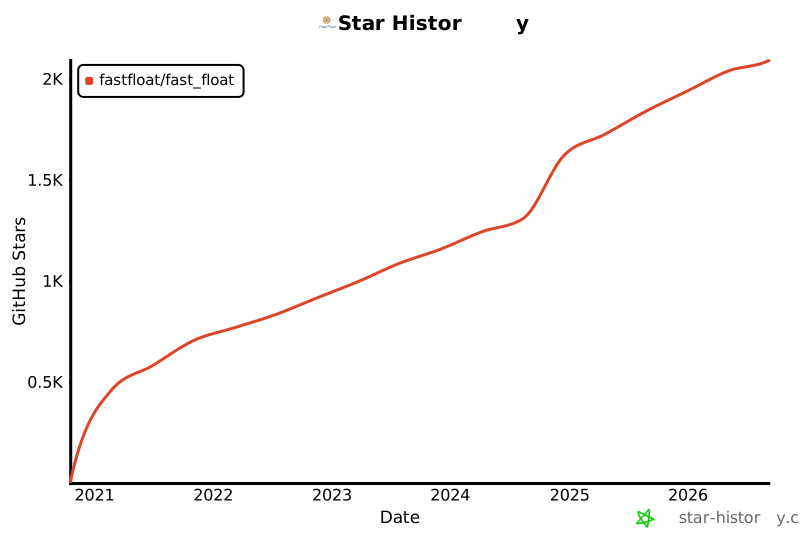](https://www.star-history.com/#fastfloat/fast_float&Date)
|
||||
|
||||
## License
|
||||
|
||||
<sup>
|
||||
Licensed under either of <a href="LICENSE-APACHE">Apache License, Version
|
||||
2.0</a> or <a href="LICENSE-MIT">MIT license</a> or <a
|
||||
href="LICENSE-BOOST">BOOST license</a>.
|
||||
</sup>
|
||||
|
||||
<br/>
|
||||
|
||||
<sub>
|
||||
Unless you explicitly state otherwise, any contribution intentionally submitted
|
||||
for inclusion in this repository by you, as defined in the Apache-2.0 license,
|
||||
shall be triple licensed as above, without any additional terms or conditions.
|
||||
</sub>
|
||||
The library includes code adapted from Google Wuffs (written by Nigel Tao) which was originally published
|
||||
under the Apache 2.0 license.
|
||||
|
||||
@ -1,7 +0,0 @@
|
||||
# Security Policy
|
||||
|
||||
## Reporting a Vulnerability
|
||||
|
||||
Please use the following contact information for reporting a vulnerability:
|
||||
|
||||
- [Daniel Lemire](https://github.com/lemire) - daniel@lemire.me
|
||||
@ -1,26 +0,0 @@
|
||||
add_executable(realbenchmark benchmark.cpp)
|
||||
set_property(
|
||||
TARGET realbenchmark
|
||||
PROPERTY CXX_STANDARD 17)
|
||||
|
||||
target_link_libraries(realbenchmark PUBLIC fast_float)
|
||||
include(ExternalProject)
|
||||
|
||||
# Define the external project
|
||||
ExternalProject_Add(simple_fastfloat_benchmark
|
||||
GIT_REPOSITORY https://github.com/lemire/simple_fastfloat_benchmark.git
|
||||
GIT_TAG master # or specify a particular commit/tag/branch
|
||||
SOURCE_DIR ${CMAKE_BINARY_DIR}/simple_fastfloat_benchmark
|
||||
BINARY_DIR ${CMAKE_BINARY_DIR}/simple_fastfloat_benchmark-build
|
||||
CONFIGURE_COMMAND ""
|
||||
BUILD_COMMAND ""
|
||||
INSTALL_COMMAND ""
|
||||
)
|
||||
set(DATA_DIR ${CMAKE_BINARY_DIR}/simple_fastfloat_benchmark/data)
|
||||
|
||||
add_custom_target(CopyData ALL
|
||||
COMMAND ${CMAKE_COMMAND} -E copy_directory ${DATA_DIR} ${CMAKE_CURRENT_BINARY_DIR}/data
|
||||
DEPENDS simple_fastfloat_benchmark
|
||||
)
|
||||
add_dependencies(realbenchmark CopyData)
|
||||
target_compile_definitions(realbenchmark PUBLIC BENCHMARK_DATA_DIR="${CMAKE_CURRENT_BINARY_DIR}/data")
|
||||
File diff suppressed because it is too large
Load Diff
@ -1,246 +0,0 @@
|
||||
#if defined(__linux__) || (__APPLE__ && __aarch64__)
|
||||
#define USING_COUNTERS
|
||||
#endif
|
||||
#include "event_counter.h"
|
||||
#include <algorithm>
|
||||
#include "fast_float/fast_float.h"
|
||||
#include <chrono>
|
||||
#include <climits>
|
||||
#include <cmath>
|
||||
#include <cstdint>
|
||||
#include <cstdio>
|
||||
#include <cstdlib>
|
||||
#include <cstring>
|
||||
#include <ctype.h>
|
||||
#include <fstream>
|
||||
#include <iomanip>
|
||||
#include <iostream>
|
||||
#include <random>
|
||||
#include <sstream>
|
||||
#include <stdio.h>
|
||||
#include <string>
|
||||
#include <vector>
|
||||
#include <locale.h>
|
||||
|
||||
template <typename CharT>
|
||||
double findmax_fastfloat64(std::vector<std::basic_string<CharT>> &s) {
|
||||
double answer = 0;
|
||||
double x = 0;
|
||||
for (auto &st : s) {
|
||||
auto [p, ec] = fast_float::from_chars(st.data(), st.data() + st.size(), x);
|
||||
if (p == st.data()) {
|
||||
throw std::runtime_error("bug in findmax_fastfloat");
|
||||
}
|
||||
answer = answer > x ? answer : x;
|
||||
}
|
||||
return answer;
|
||||
}
|
||||
|
||||
template <typename CharT>
|
||||
double findmax_fastfloat32(std::vector<std::basic_string<CharT>> &s) {
|
||||
float answer = 0;
|
||||
float x = 0;
|
||||
for (auto &st : s) {
|
||||
auto [p, ec] = fast_float::from_chars(st.data(), st.data() + st.size(), x);
|
||||
if (p == st.data()) {
|
||||
throw std::runtime_error("bug in findmax_fastfloat");
|
||||
}
|
||||
answer = answer > x ? answer : x;
|
||||
}
|
||||
return answer;
|
||||
}
|
||||
|
||||
event_collector collector{};
|
||||
|
||||
#ifdef USING_COUNTERS
|
||||
template <class T, class CharT>
|
||||
std::vector<event_count>
|
||||
time_it_ns(std::vector<std::basic_string<CharT>> &lines, T const &function,
|
||||
size_t repeat) {
|
||||
std::vector<event_count> aggregate;
|
||||
bool printed_bug = false;
|
||||
for (size_t i = 0; i < repeat; i++) {
|
||||
collector.start();
|
||||
double ts = function(lines);
|
||||
if (ts == 0 && !printed_bug) {
|
||||
printf("bug\n");
|
||||
printed_bug = true;
|
||||
}
|
||||
aggregate.push_back(collector.end());
|
||||
}
|
||||
return aggregate;
|
||||
}
|
||||
|
||||
void pretty_print(double volume, size_t number_of_floats, std::string name,
|
||||
std::vector<event_count> events) {
|
||||
double volumeMB = volume / (1024. * 1024.);
|
||||
double average_ns{0};
|
||||
double min_ns{DBL_MAX};
|
||||
double cycles_min{DBL_MAX};
|
||||
double instructions_min{DBL_MAX};
|
||||
double cycles_avg{0};
|
||||
double instructions_avg{0};
|
||||
double branches_min{0};
|
||||
double branches_avg{0};
|
||||
double branch_misses_min{0};
|
||||
double branch_misses_avg{0};
|
||||
for (event_count e : events) {
|
||||
double ns = e.elapsed_ns();
|
||||
average_ns += ns;
|
||||
min_ns = min_ns < ns ? min_ns : ns;
|
||||
|
||||
double cycles = e.cycles();
|
||||
cycles_avg += cycles;
|
||||
cycles_min = cycles_min < cycles ? cycles_min : cycles;
|
||||
|
||||
double instructions = e.instructions();
|
||||
instructions_avg += instructions;
|
||||
instructions_min =
|
||||
instructions_min < instructions ? instructions_min : instructions;
|
||||
|
||||
double branches = e.branches();
|
||||
branches_avg += branches;
|
||||
branches_min = branches_min < branches ? branches_min : branches;
|
||||
|
||||
double branch_misses = e.missed_branches();
|
||||
branch_misses_avg += branch_misses;
|
||||
branch_misses_min =
|
||||
branch_misses_min < branch_misses ? branch_misses_min : branch_misses;
|
||||
}
|
||||
cycles_avg /= events.size();
|
||||
instructions_avg /= events.size();
|
||||
average_ns /= events.size();
|
||||
branches_avg /= events.size();
|
||||
printf("%-40s: %8.2f MB/s (+/- %.1f %%) ", name.data(),
|
||||
volumeMB * 1000000000 / min_ns,
|
||||
(average_ns - min_ns) * 100.0 / average_ns);
|
||||
printf("%8.2f Mfloat/s ", number_of_floats * 1000 / min_ns);
|
||||
if (instructions_min > 0) {
|
||||
printf(" %8.2f i/B %8.2f i/f (+/- %.1f %%) ", instructions_min / volume,
|
||||
instructions_min / number_of_floats,
|
||||
(instructions_avg - instructions_min) * 100.0 / instructions_avg);
|
||||
|
||||
printf(" %8.2f c/B %8.2f c/f (+/- %.1f %%) ", cycles_min / volume,
|
||||
cycles_min / number_of_floats,
|
||||
(cycles_avg - cycles_min) * 100.0 / cycles_avg);
|
||||
printf(" %8.2f i/c ", instructions_min / cycles_min);
|
||||
printf(" %8.2f b/f ", branches_avg / number_of_floats);
|
||||
printf(" %8.2f bm/f ", branch_misses_avg / number_of_floats);
|
||||
printf(" %8.2f GHz ", cycles_min / min_ns);
|
||||
}
|
||||
printf("\n");
|
||||
}
|
||||
#else
|
||||
template <class T, class CharT>
|
||||
std::pair<double, double>
|
||||
time_it_ns(std::vector<std::basic_string<CharT>> &lines, T const &function,
|
||||
size_t repeat) {
|
||||
std::chrono::high_resolution_clock::time_point t1, t2;
|
||||
double average = 0;
|
||||
double min_value = DBL_MAX;
|
||||
bool printed_bug = false;
|
||||
for (size_t i = 0; i < repeat; i++) {
|
||||
t1 = std::chrono::high_resolution_clock::now();
|
||||
double ts = function(lines);
|
||||
if (ts == 0 && !printed_bug) {
|
||||
printf("bug\n");
|
||||
printed_bug = true;
|
||||
}
|
||||
t2 = std::chrono::high_resolution_clock::now();
|
||||
double dif =
|
||||
std::chrono::duration_cast<std::chrono::nanoseconds>(t2 - t1).count();
|
||||
average += dif;
|
||||
min_value = min_value < dif ? min_value : dif;
|
||||
}
|
||||
average /= repeat;
|
||||
return std::make_pair(min_value, average);
|
||||
}
|
||||
|
||||
void pretty_print(double volume, size_t number_of_floats, std::string name,
|
||||
std::pair<double, double> result) {
|
||||
double volumeMB = volume / (1024. * 1024.);
|
||||
printf("%-40s: %8.2f MB/s (+/- %.1f %%) ", name.data(),
|
||||
volumeMB * 1000000000 / result.first,
|
||||
(result.second - result.first) * 100.0 / result.second);
|
||||
printf("%8.2f Mfloat/s ", number_of_floats * 1000 / result.first);
|
||||
printf(" %8.2f ns/f \n", double(result.first) / number_of_floats);
|
||||
}
|
||||
#endif
|
||||
|
||||
// this is okay, all chars are ASCII
|
||||
inline std::u16string widen(std::string line) {
|
||||
std::u16string u16line;
|
||||
u16line.resize(line.size());
|
||||
for (size_t i = 0; i < line.size(); ++i) {
|
||||
u16line[i] = char16_t(line[i]);
|
||||
}
|
||||
return u16line;
|
||||
}
|
||||
|
||||
std::vector<std::u16string> widen(const std::vector<std::string> &lines) {
|
||||
std::vector<std::u16string> u16lines;
|
||||
u16lines.reserve(lines.size());
|
||||
for (auto const &line : lines) {
|
||||
u16lines.push_back(widen(line));
|
||||
}
|
||||
return u16lines;
|
||||
}
|
||||
|
||||
void process(std::vector<std::string> &lines, size_t volume) {
|
||||
size_t repeat = 1000;
|
||||
double volumeMB = volume / (1024. * 1024.);
|
||||
std::cout << "ASCII volume = " << volumeMB << " MB " << std::endl;
|
||||
pretty_print(volume, lines.size(), "fastfloat (64)",
|
||||
time_it_ns(lines, findmax_fastfloat64<char>, repeat));
|
||||
pretty_print(volume, lines.size(), "fastfloat (32)",
|
||||
time_it_ns(lines, findmax_fastfloat32<char>, repeat));
|
||||
|
||||
std::vector<std::u16string> lines16 = widen(lines);
|
||||
volume = 2 * volume;
|
||||
volumeMB = volume / (1024. * 1024.);
|
||||
std::cout << "UTF-16 volume = " << volumeMB << " MB " << std::endl;
|
||||
pretty_print(volume, lines.size(), "fastfloat (64)",
|
||||
time_it_ns(lines16, findmax_fastfloat64<char16_t>, repeat));
|
||||
pretty_print(volume, lines.size(), "fastfloat (32)",
|
||||
time_it_ns(lines16, findmax_fastfloat32<char16_t>, repeat));
|
||||
}
|
||||
|
||||
void fileload(std::string filename) {
|
||||
std::ifstream inputfile(filename);
|
||||
if (!inputfile) {
|
||||
std::cerr << "can't open " << filename << std::endl;
|
||||
return;
|
||||
}
|
||||
std::cout << "#### " << std::endl;
|
||||
std::cout << "# reading " << filename << std::endl;
|
||||
std::cout << "#### " << std::endl;
|
||||
std::string line;
|
||||
std::vector<std::string> lines;
|
||||
lines.reserve(10000); // let us reserve plenty of memory.
|
||||
size_t volume = 0;
|
||||
while (getline(inputfile, line)) {
|
||||
volume += line.size();
|
||||
lines.push_back(line);
|
||||
}
|
||||
std::cout << "# read " << lines.size() << " lines " << std::endl;
|
||||
process(lines, volume);
|
||||
}
|
||||
|
||||
int main(int argc, char **argv) {
|
||||
if (collector.has_events()) {
|
||||
std::cout << "# Using hardware counters" << std::endl;
|
||||
} else {
|
||||
#if defined(__linux__) || (__APPLE__ && __aarch64__)
|
||||
std::cout << "# Hardware counters not available, try to run in privileged "
|
||||
"mode (e.g., sudo)."
|
||||
<< std::endl;
|
||||
#endif
|
||||
}
|
||||
if (argc > 1) {
|
||||
fileload(argv[1]);
|
||||
return EXIT_SUCCESS;
|
||||
}
|
||||
fileload(std::string(BENCHMARK_DATA_DIR) + "/canada.txt");
|
||||
fileload(std::string(BENCHMARK_DATA_DIR) + "/mesh.txt");
|
||||
return EXIT_SUCCESS;
|
||||
}
|
||||
@ -1,181 +0,0 @@
|
||||
#ifndef __EVENT_COUNTER_H
|
||||
#define __EVENT_COUNTER_H
|
||||
|
||||
#include <cctype>
|
||||
#ifndef _MSC_VER
|
||||
#include <dirent.h>
|
||||
#endif
|
||||
#include <cinttypes>
|
||||
|
||||
#include <cstring>
|
||||
|
||||
#include <chrono>
|
||||
#include <vector>
|
||||
|
||||
#include "linux-perf-events.h"
|
||||
#ifdef __linux__
|
||||
#include <libgen.h>
|
||||
#endif
|
||||
|
||||
#if (defined(__APPLE__) && __APPLE__) && (defined(__aarch64__) && __aarch64__)
|
||||
#include "apple_arm_events.h"
|
||||
#endif
|
||||
|
||||
struct event_count {
|
||||
std::chrono::duration<double> elapsed;
|
||||
std::vector<unsigned long long> event_counts;
|
||||
|
||||
event_count() : elapsed(0), event_counts{0, 0, 0, 0, 0} {}
|
||||
|
||||
event_count(const std::chrono::duration<double> _elapsed,
|
||||
const std::vector<unsigned long long> _event_counts)
|
||||
: elapsed(_elapsed), event_counts(_event_counts) {}
|
||||
|
||||
event_count(const event_count &other)
|
||||
: elapsed(other.elapsed), event_counts(other.event_counts) {}
|
||||
|
||||
// The types of counters (so we can read the getter more easily)
|
||||
enum event_counter_types {
|
||||
CPU_CYCLES = 0,
|
||||
INSTRUCTIONS = 1,
|
||||
BRANCHES = 2,
|
||||
MISSED_BRANCHES = 3
|
||||
};
|
||||
|
||||
double elapsed_sec() const {
|
||||
return std::chrono::duration<double>(elapsed).count();
|
||||
}
|
||||
|
||||
double elapsed_ns() const {
|
||||
return std::chrono::duration<double, std::nano>(elapsed).count();
|
||||
}
|
||||
|
||||
double cycles() const {
|
||||
return static_cast<double>(event_counts[CPU_CYCLES]);
|
||||
}
|
||||
|
||||
double instructions() const {
|
||||
return static_cast<double>(event_counts[INSTRUCTIONS]);
|
||||
}
|
||||
|
||||
double branches() const {
|
||||
return static_cast<double>(event_counts[BRANCHES]);
|
||||
}
|
||||
|
||||
double missed_branches() const {
|
||||
return static_cast<double>(event_counts[MISSED_BRANCHES]);
|
||||
}
|
||||
|
||||
event_count &operator=(const event_count &other) {
|
||||
this->elapsed = other.elapsed;
|
||||
this->event_counts = other.event_counts;
|
||||
return *this;
|
||||
}
|
||||
|
||||
event_count operator+(const event_count &other) const {
|
||||
return event_count(elapsed + other.elapsed,
|
||||
{
|
||||
event_counts[0] + other.event_counts[0],
|
||||
event_counts[1] + other.event_counts[1],
|
||||
event_counts[2] + other.event_counts[2],
|
||||
event_counts[3] + other.event_counts[3],
|
||||
event_counts[4] + other.event_counts[4],
|
||||
});
|
||||
}
|
||||
|
||||
void operator+=(const event_count &other) { *this = *this + other; }
|
||||
};
|
||||
|
||||
struct event_aggregate {
|
||||
bool has_events = false;
|
||||
int iterations = 0;
|
||||
event_count total{};
|
||||
event_count best{};
|
||||
event_count worst{};
|
||||
|
||||
event_aggregate() = default;
|
||||
|
||||
void operator<<(const event_count &other) {
|
||||
if (iterations == 0 || other.elapsed < best.elapsed) {
|
||||
best = other;
|
||||
}
|
||||
if (iterations == 0 || other.elapsed > worst.elapsed) {
|
||||
worst = other;
|
||||
}
|
||||
iterations++;
|
||||
total += other;
|
||||
}
|
||||
|
||||
double elapsed_sec() const { return total.elapsed_sec() / iterations; }
|
||||
|
||||
double elapsed_ns() const { return total.elapsed_ns() / iterations; }
|
||||
|
||||
double cycles() const { return total.cycles() / iterations; }
|
||||
|
||||
double instructions() const { return total.instructions() / iterations; }
|
||||
|
||||
double branches() const { return total.branches() / iterations; }
|
||||
|
||||
double missed_branches() const {
|
||||
return total.missed_branches() / iterations;
|
||||
}
|
||||
};
|
||||
|
||||
struct event_collector {
|
||||
event_count count{};
|
||||
std::chrono::time_point<std::chrono::steady_clock> start_clock{};
|
||||
|
||||
#if defined(__linux__)
|
||||
LinuxEvents<PERF_TYPE_HARDWARE> linux_events;
|
||||
|
||||
event_collector()
|
||||
: linux_events(std::vector<int>{
|
||||
PERF_COUNT_HW_CPU_CYCLES, PERF_COUNT_HW_INSTRUCTIONS,
|
||||
PERF_COUNT_HW_BRANCH_INSTRUCTIONS, // Retired branch instructions
|
||||
PERF_COUNT_HW_BRANCH_MISSES}) {}
|
||||
|
||||
bool has_events() { return linux_events.is_working(); }
|
||||
#elif __APPLE__ && __aarch64__
|
||||
performance_counters diff;
|
||||
|
||||
event_collector() : diff(0) { setup_performance_counters(); }
|
||||
|
||||
bool has_events() { return setup_performance_counters(); }
|
||||
#else
|
||||
event_collector() {}
|
||||
|
||||
bool has_events() { return false; }
|
||||
#endif
|
||||
|
||||
inline void start() {
|
||||
#if defined(__linux)
|
||||
linux_events.start();
|
||||
#elif __APPLE__ && __aarch64__
|
||||
if (has_events()) {
|
||||
diff = get_counters();
|
||||
}
|
||||
#endif
|
||||
start_clock = std::chrono::steady_clock::now();
|
||||
}
|
||||
|
||||
inline event_count &end() {
|
||||
const auto end_clock = std::chrono::steady_clock::now();
|
||||
#if defined(__linux)
|
||||
linux_events.end(count.event_counts);
|
||||
#elif __APPLE__ && __aarch64__
|
||||
if (has_events()) {
|
||||
performance_counters end = get_counters();
|
||||
diff = end - diff;
|
||||
}
|
||||
count.event_counts[0] = diff.cycles;
|
||||
count.event_counts[1] = diff.instructions;
|
||||
count.event_counts[2] = diff.branches;
|
||||
count.event_counts[3] = diff.missed_branches;
|
||||
count.event_counts[4] = 0;
|
||||
#endif
|
||||
count.elapsed = end_clock - start_clock;
|
||||
return count;
|
||||
}
|
||||
};
|
||||
|
||||
#endif
|
||||
@ -1,104 +0,0 @@
|
||||
#pragma once
|
||||
#ifdef __linux__
|
||||
|
||||
#include <asm/unistd.h> // for __NR_perf_event_open
|
||||
#include <linux/perf_event.h> // for perf event constants
|
||||
#include <sys/ioctl.h> // for ioctl
|
||||
#include <unistd.h> // for syscall
|
||||
|
||||
#include <cerrno> // for errno
|
||||
#include <cstring> // for memset
|
||||
#include <stdexcept>
|
||||
|
||||
#include <iostream>
|
||||
#include <vector>
|
||||
|
||||
template <int TYPE = PERF_TYPE_HARDWARE> class LinuxEvents {
|
||||
int fd;
|
||||
bool working;
|
||||
perf_event_attr attribs{};
|
||||
size_t num_events{};
|
||||
std::vector<uint64_t> temp_result_vec{};
|
||||
std::vector<uint64_t> ids{};
|
||||
|
||||
public:
|
||||
explicit LinuxEvents(std::vector<int> config_vec) : fd(0), working(true) {
|
||||
memset(&attribs, 0, sizeof(attribs));
|
||||
attribs.type = TYPE;
|
||||
attribs.size = sizeof(attribs);
|
||||
attribs.disabled = 1;
|
||||
attribs.exclude_kernel = 1;
|
||||
attribs.exclude_hv = 1;
|
||||
|
||||
attribs.sample_period = 0;
|
||||
attribs.read_format = PERF_FORMAT_GROUP | PERF_FORMAT_ID;
|
||||
const int pid = 0; // the current process
|
||||
const int cpu = -1; // all CPUs
|
||||
const unsigned long flags = 0;
|
||||
|
||||
int group = -1; // no group
|
||||
num_events = config_vec.size();
|
||||
ids.resize(config_vec.size());
|
||||
uint32_t i = 0;
|
||||
for (auto config : config_vec) {
|
||||
attribs.config = config;
|
||||
int _fd = static_cast<int>(
|
||||
syscall(__NR_perf_event_open, &attribs, pid, cpu, group, flags));
|
||||
if (_fd == -1) {
|
||||
report_error("perf_event_open");
|
||||
}
|
||||
ioctl(_fd, PERF_EVENT_IOC_ID, &ids[i++]);
|
||||
if (group == -1) {
|
||||
group = _fd;
|
||||
fd = _fd;
|
||||
}
|
||||
}
|
||||
|
||||
temp_result_vec.resize(num_events * 2 + 1);
|
||||
}
|
||||
|
||||
~LinuxEvents() {
|
||||
if (fd != -1) {
|
||||
close(fd);
|
||||
}
|
||||
}
|
||||
|
||||
inline void start() {
|
||||
if (fd != -1) {
|
||||
if (ioctl(fd, PERF_EVENT_IOC_RESET, PERF_IOC_FLAG_GROUP) == -1) {
|
||||
report_error("ioctl(PERF_EVENT_IOC_RESET)");
|
||||
}
|
||||
|
||||
if (ioctl(fd, PERF_EVENT_IOC_ENABLE, PERF_IOC_FLAG_GROUP) == -1) {
|
||||
report_error("ioctl(PERF_EVENT_IOC_ENABLE)");
|
||||
}
|
||||
}
|
||||
}
|
||||
|
||||
inline void end(std::vector<unsigned long long> &results) {
|
||||
if (fd != -1) {
|
||||
if (ioctl(fd, PERF_EVENT_IOC_DISABLE, PERF_IOC_FLAG_GROUP) == -1) {
|
||||
report_error("ioctl(PERF_EVENT_IOC_DISABLE)");
|
||||
}
|
||||
|
||||
if (read(fd, temp_result_vec.data(), temp_result_vec.size() * 8) == -1) {
|
||||
report_error("read");
|
||||
}
|
||||
}
|
||||
// our actual results are in slots 1,3,5, ... of this structure
|
||||
for (uint32_t i = 1; i < temp_result_vec.size(); i += 2) {
|
||||
results[i / 2] = temp_result_vec[i];
|
||||
}
|
||||
for (uint32_t i = 2; i < temp_result_vec.size(); i += 2) {
|
||||
if (ids[i / 2 - 1] != temp_result_vec[i]) {
|
||||
report_error("event mismatch");
|
||||
}
|
||||
}
|
||||
}
|
||||
|
||||
bool is_working() { return working; }
|
||||
|
||||
private:
|
||||
void report_error(const std::string &) { working = false; }
|
||||
};
|
||||
#endif
|
||||
18
ci/script.sh
18
ci/script.sh
@ -1,18 +0,0 @@
|
||||
#!/bin/bash
|
||||
|
||||
TOOLCHAIN="$1"
|
||||
|
||||
mkdir build
|
||||
cd build
|
||||
|
||||
if [ "$TOOLCHAIN" != "" ] ; then
|
||||
cmake -DFASTFLOAT_TEST=ON .. -DCMAKE_TOOLCHAIN_FILE=/toolchains/"$TOOLCHAIN".cmake
|
||||
else
|
||||
cmake -DFASTFLOAT_TEST=ON ..
|
||||
fi
|
||||
make -j 2
|
||||
if [ "$TOOLCHAIN" != "" ] ; then
|
||||
qemu-"$TOOLCHAIN" tests/basictest
|
||||
else
|
||||
ctest --output-on-failure -R basictest
|
||||
fi
|
||||
@ -1,4 +0,0 @@
|
||||
set(CMAKE_SYSTEM_NAME Linux)
|
||||
set(CMAKE_SYSTEM_PROCESSOR riscv64)
|
||||
|
||||
set(CMAKE_CROSSCOMPILING_EMULATOR "qemu-riscv64-static")
|
||||
@ -1,8 +0,0 @@
|
||||
#!/bin/bash
|
||||
|
||||
$CXX $CFLAGS $CXXFLAGS \
|
||||
-I $SRC/fast_float/include \
|
||||
-c $SRC/fast_float/fuzz/from_chars.cc -o from_chars.o
|
||||
|
||||
$CXX $CFLAGS $CXXFLAGS $LIB_FUZZING_ENGINE from_chars.o \
|
||||
-o $OUT/from_chars
|
||||
@ -1,38 +0,0 @@
|
||||
#include "fast_float/fast_float.h"
|
||||
#include <fuzzer/FuzzedDataProvider.h>
|
||||
#include <string>
|
||||
#include <system_error>
|
||||
|
||||
fast_float::chars_format arbitrary_format(FuzzedDataProvider &fdp) {
|
||||
using fast_float::chars_format;
|
||||
switch (fdp.ConsumeIntegralInRange<int>(0, 3)) {
|
||||
case 0:
|
||||
return chars_format::scientific;
|
||||
break;
|
||||
case 1:
|
||||
return chars_format::fixed;
|
||||
break;
|
||||
case 2:
|
||||
return chars_format::fixed;
|
||||
break;
|
||||
}
|
||||
return chars_format::general;
|
||||
}
|
||||
|
||||
extern "C" int LLVMFuzzerTestOneInput(uint8_t const *data, size_t size) {
|
||||
FuzzedDataProvider fdp(data, size);
|
||||
fast_float::chars_format format = arbitrary_format(fdp);
|
||||
double result_d = 0.0;
|
||||
std::string input_d = fdp.ConsumeRandomLengthString(128);
|
||||
auto answer = fast_float::from_chars(
|
||||
input_d.data(), input_d.data() + input_d.size(), result_d, format);
|
||||
std::string input_f = fdp.ConsumeRandomLengthString(128);
|
||||
float result_f = 0.0;
|
||||
answer = fast_float::from_chars(
|
||||
input_f.data(), input_f.data() + input_f.size(), result_f, format);
|
||||
int result_i = 0;
|
||||
std::string input_i = fdp.ConsumeRandomLengthString(128);
|
||||
answer = fast_float::from_chars(input_i.data(),
|
||||
input_i.data() + input_i.size(), result_i);
|
||||
return 0;
|
||||
}
|
||||
@ -1,320 +1,77 @@
|
||||
#ifndef FASTFLOAT_ASCII_NUMBER_H
|
||||
#define FASTFLOAT_ASCII_NUMBER_H
|
||||
|
||||
#include <cstdio>
|
||||
#include <cctype>
|
||||
#include <cstdint>
|
||||
#include <cstring>
|
||||
#include <iterator>
|
||||
#include <limits>
|
||||
#include <type_traits>
|
||||
|
||||
#include "float_common.h"
|
||||
|
||||
#ifdef FASTFLOAT_SSE2
|
||||
#include <emmintrin.h>
|
||||
#endif
|
||||
|
||||
#ifdef FASTFLOAT_NEON
|
||||
#include <arm_neon.h>
|
||||
#endif
|
||||
|
||||
namespace fast_float {
|
||||
|
||||
template <typename UC> fastfloat_really_inline constexpr bool has_simd_opt() {
|
||||
#ifdef FASTFLOAT_HAS_SIMD
|
||||
return std::is_same<UC, char16_t>::value;
|
||||
#else
|
||||
return false;
|
||||
#endif
|
||||
}
|
||||
|
||||
// Next function can be micro-optimized, but compilers are entirely
|
||||
// able to optimize it well.
|
||||
template <typename UC>
|
||||
fastfloat_really_inline constexpr bool is_integer(UC c) noexcept {
|
||||
return !(c > UC('9') || c < UC('0'));
|
||||
}
|
||||
fastfloat_really_inline bool is_integer(char c) noexcept { return c >= '0' && c <= '9'; }
|
||||
|
||||
fastfloat_really_inline constexpr uint64_t byteswap(uint64_t val) {
|
||||
return (val & 0xFF00000000000000) >> 56 | (val & 0x00FF000000000000) >> 40 |
|
||||
(val & 0x0000FF0000000000) >> 24 | (val & 0x000000FF00000000) >> 8 |
|
||||
(val & 0x00000000FF000000) << 8 | (val & 0x0000000000FF0000) << 24 |
|
||||
(val & 0x000000000000FF00) << 40 | (val & 0x00000000000000FF) << 56;
|
||||
}
|
||||
|
||||
// Read 8 UC into a u64. Truncates UC if not char.
|
||||
template <typename UC>
|
||||
fastfloat_really_inline FASTFLOAT_CONSTEXPR20 uint64_t
|
||||
read8_to_u64(UC const *chars) {
|
||||
if (cpp20_and_in_constexpr() || !std::is_same<UC, char>::value) {
|
||||
uint64_t val = 0;
|
||||
for (int i = 0; i < 8; ++i) {
|
||||
val |= uint64_t(uint8_t(*chars)) << (i * 8);
|
||||
++chars;
|
||||
}
|
||||
return val;
|
||||
}
|
||||
uint64_t val;
|
||||
::memcpy(&val, chars, sizeof(uint64_t));
|
||||
#if FASTFLOAT_IS_BIG_ENDIAN == 1
|
||||
// Need to read as-if the number was in little-endian order.
|
||||
val = byteswap(val);
|
||||
#endif
|
||||
return val;
|
||||
}
|
||||
|
||||
#ifdef FASTFLOAT_SSE2
|
||||
|
||||
fastfloat_really_inline uint64_t simd_read8_to_u64(__m128i const data) {
|
||||
FASTFLOAT_SIMD_DISABLE_WARNINGS
|
||||
__m128i const packed = _mm_packus_epi16(data, data);
|
||||
#ifdef FASTFLOAT_64BIT
|
||||
return uint64_t(_mm_cvtsi128_si64(packed));
|
||||
#else
|
||||
uint64_t value;
|
||||
// Visual Studio + older versions of GCC don't support _mm_storeu_si64
|
||||
_mm_storel_epi64(reinterpret_cast<__m128i *>(&value), packed);
|
||||
return value;
|
||||
#endif
|
||||
FASTFLOAT_SIMD_RESTORE_WARNINGS
|
||||
}
|
||||
|
||||
fastfloat_really_inline uint64_t simd_read8_to_u64(char16_t const *chars) {
|
||||
FASTFLOAT_SIMD_DISABLE_WARNINGS
|
||||
return simd_read8_to_u64(
|
||||
_mm_loadu_si128(reinterpret_cast<__m128i const *>(chars)));
|
||||
FASTFLOAT_SIMD_RESTORE_WARNINGS
|
||||
}
|
||||
|
||||
#elif defined(FASTFLOAT_NEON)
|
||||
|
||||
fastfloat_really_inline uint64_t simd_read8_to_u64(uint16x8_t const data) {
|
||||
FASTFLOAT_SIMD_DISABLE_WARNINGS
|
||||
uint8x8_t utf8_packed = vmovn_u16(data);
|
||||
return vget_lane_u64(vreinterpret_u64_u8(utf8_packed), 0);
|
||||
FASTFLOAT_SIMD_RESTORE_WARNINGS
|
||||
}
|
||||
|
||||
fastfloat_really_inline uint64_t simd_read8_to_u64(char16_t const *chars) {
|
||||
FASTFLOAT_SIMD_DISABLE_WARNINGS
|
||||
return simd_read8_to_u64(
|
||||
vld1q_u16(reinterpret_cast<uint16_t const *>(chars)));
|
||||
FASTFLOAT_SIMD_RESTORE_WARNINGS
|
||||
}
|
||||
|
||||
#endif // FASTFLOAT_SSE2
|
||||
|
||||
// MSVC SFINAE is broken pre-VS2017
|
||||
#if defined(_MSC_VER) && _MSC_VER <= 1900
|
||||
template <typename UC>
|
||||
#else
|
||||
template <typename UC, FASTFLOAT_ENABLE_IF(!has_simd_opt<UC>()) = 0>
|
||||
#endif
|
||||
// dummy for compile
|
||||
uint64_t simd_read8_to_u64(UC const *) {
|
||||
return 0;
|
||||
}
|
||||
|
||||
// credit @aqrit
|
||||
fastfloat_really_inline FASTFLOAT_CONSTEXPR14 uint32_t
|
||||
parse_eight_digits_unrolled(uint64_t val) {
|
||||
uint64_t const mask = 0x000000FF000000FF;
|
||||
uint64_t const mul1 = 0x000F424000000064; // 100 + (1000000ULL << 32)
|
||||
uint64_t const mul2 = 0x0000271000000001; // 1 + (10000ULL << 32)
|
||||
fastfloat_really_inline uint32_t parse_eight_digits_unrolled(uint64_t val) {
|
||||
const uint64_t mask = 0x000000FF000000FF;
|
||||
const uint64_t mul1 = 0x000F424000000064; // 100 + (1000000ULL << 32)
|
||||
const uint64_t mul2 = 0x0000271000000001; // 1 + (10000ULL << 32)
|
||||
val -= 0x3030303030303030;
|
||||
val = (val * 10) + (val >> 8); // val = (val * 2561) >> 8;
|
||||
val = (((val & mask) * mul1) + (((val >> 16) & mask) * mul2)) >> 32;
|
||||
return uint32_t(val);
|
||||
}
|
||||
|
||||
// Call this if chars are definitely 8 digits.
|
||||
template <typename UC>
|
||||
fastfloat_really_inline FASTFLOAT_CONSTEXPR20 uint32_t
|
||||
parse_eight_digits_unrolled(UC const *chars) noexcept {
|
||||
if (cpp20_and_in_constexpr() || !has_simd_opt<UC>()) {
|
||||
return parse_eight_digits_unrolled(read8_to_u64(chars)); // truncation okay
|
||||
}
|
||||
return parse_eight_digits_unrolled(simd_read8_to_u64(chars));
|
||||
fastfloat_really_inline uint32_t parse_eight_digits_unrolled(const char *chars) noexcept {
|
||||
uint64_t val;
|
||||
::memcpy(&val, chars, sizeof(uint64_t));
|
||||
return parse_eight_digits_unrolled(val);
|
||||
}
|
||||
|
||||
// credit @aqrit
|
||||
fastfloat_really_inline constexpr bool
|
||||
is_made_of_eight_digits_fast(uint64_t val) noexcept {
|
||||
fastfloat_really_inline bool is_made_of_eight_digits_fast(uint64_t val) noexcept {
|
||||
return !((((val + 0x4646464646464646) | (val - 0x3030303030303030)) &
|
||||
0x8080808080808080));
|
||||
0x8080808080808080));
|
||||
}
|
||||
|
||||
#ifdef FASTFLOAT_HAS_SIMD
|
||||
|
||||
// Call this if chars might not be 8 digits.
|
||||
// Using this style (instead of is_made_of_eight_digits_fast() then
|
||||
// parse_eight_digits_unrolled()) ensures we don't load SIMD registers twice.
|
||||
fastfloat_really_inline FASTFLOAT_CONSTEXPR20 bool
|
||||
simd_parse_if_eight_digits_unrolled(char16_t const *chars,
|
||||
uint64_t &i) noexcept {
|
||||
if (cpp20_and_in_constexpr()) {
|
||||
return false;
|
||||
}
|
||||
#ifdef FASTFLOAT_SSE2
|
||||
FASTFLOAT_SIMD_DISABLE_WARNINGS
|
||||
__m128i const data =
|
||||
_mm_loadu_si128(reinterpret_cast<__m128i const *>(chars));
|
||||
|
||||
// (x - '0') <= 9
|
||||
// http://0x80.pl/articles/simd-parsing-int-sequences.html
|
||||
__m128i const t0 = _mm_add_epi16(data, _mm_set1_epi16(32720));
|
||||
__m128i const t1 = _mm_cmpgt_epi16(t0, _mm_set1_epi16(-32759));
|
||||
|
||||
if (_mm_movemask_epi8(t1) == 0) {
|
||||
i = i * 100000000 + parse_eight_digits_unrolled(simd_read8_to_u64(data));
|
||||
return true;
|
||||
} else
|
||||
return false;
|
||||
FASTFLOAT_SIMD_RESTORE_WARNINGS
|
||||
#elif defined(FASTFLOAT_NEON)
|
||||
FASTFLOAT_SIMD_DISABLE_WARNINGS
|
||||
uint16x8_t const data = vld1q_u16(reinterpret_cast<uint16_t const *>(chars));
|
||||
|
||||
// (x - '0') <= 9
|
||||
// http://0x80.pl/articles/simd-parsing-int-sequences.html
|
||||
uint16x8_t const t0 = vsubq_u16(data, vmovq_n_u16('0'));
|
||||
uint16x8_t const mask = vcltq_u16(t0, vmovq_n_u16('9' - '0' + 1));
|
||||
|
||||
if (vminvq_u16(mask) == 0xFFFF) {
|
||||
i = i * 100000000 + parse_eight_digits_unrolled(simd_read8_to_u64(data));
|
||||
return true;
|
||||
} else
|
||||
return false;
|
||||
FASTFLOAT_SIMD_RESTORE_WARNINGS
|
||||
#else
|
||||
(void)chars;
|
||||
(void)i;
|
||||
return false;
|
||||
#endif // FASTFLOAT_SSE2
|
||||
fastfloat_really_inline bool is_made_of_eight_digits_fast(const char *chars) noexcept {
|
||||
uint64_t val;
|
||||
::memcpy(&val, chars, 8);
|
||||
return is_made_of_eight_digits_fast(val);
|
||||
}
|
||||
|
||||
#endif // FASTFLOAT_HAS_SIMD
|
||||
|
||||
// MSVC SFINAE is broken pre-VS2017
|
||||
#if defined(_MSC_VER) && _MSC_VER <= 1900
|
||||
template <typename UC>
|
||||
#else
|
||||
template <typename UC, FASTFLOAT_ENABLE_IF(!has_simd_opt<UC>()) = 0>
|
||||
#endif
|
||||
// dummy for compile
|
||||
bool simd_parse_if_eight_digits_unrolled(UC const *, uint64_t &) {
|
||||
return 0;
|
||||
}
|
||||
|
||||
template <typename UC, FASTFLOAT_ENABLE_IF(!std::is_same<UC, char>::value) = 0>
|
||||
fastfloat_really_inline FASTFLOAT_CONSTEXPR20 void
|
||||
loop_parse_if_eight_digits(UC const *&p, UC const *const pend, uint64_t &i) {
|
||||
if (!has_simd_opt<UC>()) {
|
||||
return;
|
||||
}
|
||||
while ((std::distance(p, pend) >= 8) &&
|
||||
simd_parse_if_eight_digits_unrolled(
|
||||
p, i)) { // in rare cases, this will overflow, but that's ok
|
||||
p += 8;
|
||||
}
|
||||
}
|
||||
|
||||
fastfloat_really_inline FASTFLOAT_CONSTEXPR20 void
|
||||
loop_parse_if_eight_digits(char const *&p, char const *const pend,
|
||||
uint64_t &i) {
|
||||
// optimizes better than parse_if_eight_digits_unrolled() for UC = char.
|
||||
while ((std::distance(p, pend) >= 8) &&
|
||||
is_made_of_eight_digits_fast(read8_to_u64(p))) {
|
||||
i = i * 100000000 +
|
||||
parse_eight_digits_unrolled(read8_to_u64(
|
||||
p)); // in rare cases, this will overflow, but that's ok
|
||||
p += 8;
|
||||
}
|
||||
}
|
||||
|
||||
enum class parse_error {
|
||||
no_error,
|
||||
// [JSON-only] The minus sign must be followed by an integer.
|
||||
missing_integer_after_sign,
|
||||
// A sign must be followed by an integer or dot.
|
||||
missing_integer_or_dot_after_sign,
|
||||
// [JSON-only] The integer part must not have leading zeros.
|
||||
leading_zeros_in_integer_part,
|
||||
// [JSON-only] The integer part must have at least one digit.
|
||||
no_digits_in_integer_part,
|
||||
// [JSON-only] If there is a decimal point, there must be digits in the
|
||||
// fractional part.
|
||||
no_digits_in_fractional_part,
|
||||
// The mantissa must have at least one digit.
|
||||
no_digits_in_mantissa,
|
||||
// Scientific notation requires an exponential part.
|
||||
missing_exponential_part,
|
||||
struct parsed_number_string {
|
||||
int64_t exponent;
|
||||
uint64_t mantissa;
|
||||
const char *lastmatch;
|
||||
bool negative;
|
||||
bool valid;
|
||||
bool too_many_digits;
|
||||
};
|
||||
|
||||
template <typename UC> struct parsed_number_string_t {
|
||||
int64_t exponent{0};
|
||||
uint64_t mantissa{0};
|
||||
UC const *lastmatch{nullptr};
|
||||
bool negative{false};
|
||||
bool valid{false};
|
||||
bool too_many_digits{false};
|
||||
// contains the range of the significant digits
|
||||
span<UC const> integer{}; // non-nullable
|
||||
span<UC const> fraction{}; // nullable
|
||||
parse_error error{parse_error::no_error};
|
||||
};
|
||||
|
||||
using byte_span = span<char const>;
|
||||
using parsed_number_string = parsed_number_string_t<char>;
|
||||
|
||||
template <typename UC>
|
||||
fastfloat_really_inline FASTFLOAT_CONSTEXPR20 parsed_number_string_t<UC>
|
||||
report_parse_error(UC const *p, parse_error error) {
|
||||
parsed_number_string_t<UC> answer;
|
||||
answer.valid = false;
|
||||
answer.lastmatch = p;
|
||||
answer.error = error;
|
||||
return answer;
|
||||
}
|
||||
|
||||
// Assuming that you use no more than 19 digits, this will
|
||||
// parse an ASCII string.
|
||||
template <bool basic_json_fmt, typename UC>
|
||||
fastfloat_really_inline FASTFLOAT_CONSTEXPR20 parsed_number_string_t<UC>
|
||||
parse_number_string(UC const *p, UC const *pend,
|
||||
parse_options_t<UC> options) noexcept {
|
||||
chars_format const fmt = detail::adjust_for_feature_macros(options.format);
|
||||
UC const decimal_point = options.decimal_point;
|
||||
|
||||
parsed_number_string_t<UC> answer;
|
||||
fastfloat_really_inline
|
||||
parsed_number_string parse_number_string(const char *p, const char *pend, chars_format fmt) noexcept {
|
||||
parsed_number_string answer;
|
||||
answer.valid = false;
|
||||
answer.too_many_digits = false;
|
||||
// assume p < pend, so dereference without checks;
|
||||
answer.negative = (*p == UC('-'));
|
||||
// C++17 20.19.3.(7.1) explicitly forbids '+' sign here
|
||||
if ((*p == UC('-')) || (uint64_t(fmt & chars_format::allow_leading_plus) &&
|
||||
!basic_json_fmt && *p == UC('+'))) {
|
||||
answer.negative = (*p == '-');
|
||||
if ((*p == '-') || (*p == '+')) {
|
||||
++p;
|
||||
if (p == pend) {
|
||||
return report_parse_error<UC>(
|
||||
p, parse_error::missing_integer_or_dot_after_sign);
|
||||
return answer;
|
||||
}
|
||||
FASTFLOAT_IF_CONSTEXPR17(basic_json_fmt) {
|
||||
if (!is_integer(*p)) { // a sign must be followed by an integer
|
||||
return report_parse_error<UC>(p,
|
||||
parse_error::missing_integer_after_sign);
|
||||
}
|
||||
}
|
||||
else {
|
||||
if (!is_integer(*p) &&
|
||||
(*p !=
|
||||
decimal_point)) { // a sign must be followed by an integer or the dot
|
||||
return report_parse_error<UC>(
|
||||
p, parse_error::missing_integer_or_dot_after_sign);
|
||||
}
|
||||
if (!is_integer(*p) && (*p != '.')) { // a sign must be followed by an integer or the dot
|
||||
return answer;
|
||||
}
|
||||
}
|
||||
UC const *const start_digits = p;
|
||||
const char *const start_digits = p;
|
||||
|
||||
uint64_t i = 0; // an unsigned int avoids signed overflows (which are bad)
|
||||
|
||||
@ -322,100 +79,69 @@ parse_number_string(UC const *p, UC const *pend,
|
||||
// a multiplication by 10 is cheaper than an arbitrary integer
|
||||
// multiplication
|
||||
i = 10 * i +
|
||||
uint64_t(*p -
|
||||
UC('0')); // might overflow, we will handle the overflow later
|
||||
uint64_t(*p - '0'); // might overflow, we will handle the overflow later
|
||||
++p;
|
||||
}
|
||||
UC const *const end_of_integer_part = p;
|
||||
const char *const end_of_integer_part = p;
|
||||
int64_t digit_count = int64_t(end_of_integer_part - start_digits);
|
||||
answer.integer = span<UC const>(start_digits, size_t(digit_count));
|
||||
FASTFLOAT_IF_CONSTEXPR17(basic_json_fmt) {
|
||||
// at least 1 digit in integer part, without leading zeros
|
||||
if (digit_count == 0) {
|
||||
return report_parse_error<UC>(p, parse_error::no_digits_in_integer_part);
|
||||
}
|
||||
if ((start_digits[0] == UC('0') && digit_count > 1)) {
|
||||
return report_parse_error<UC>(start_digits,
|
||||
parse_error::leading_zeros_in_integer_part);
|
||||
}
|
||||
}
|
||||
|
||||
int64_t exponent = 0;
|
||||
bool const has_decimal_point = (p != pend) && (*p == decimal_point);
|
||||
if (has_decimal_point) {
|
||||
if ((p != pend) && (*p == '.')) {
|
||||
++p;
|
||||
UC const *before = p;
|
||||
// can occur at most twice without overflowing, but let it occur more, since
|
||||
// for integers with many digits, digit parsing is the primary bottleneck.
|
||||
loop_parse_if_eight_digits(p, pend, i);
|
||||
|
||||
#if FASTFLOAT_IS_BIG_ENDIAN == 0
|
||||
// Fast approach only tested under little endian systems
|
||||
if ((p + 8 <= pend) && is_made_of_eight_digits_fast(p)) {
|
||||
i = i * 100000000 + parse_eight_digits_unrolled(p); // in rare cases, this will overflow, but that's ok
|
||||
p += 8;
|
||||
if ((p + 8 <= pend) && is_made_of_eight_digits_fast(p)) {
|
||||
i = i * 100000000 + parse_eight_digits_unrolled(p); // in rare cases, this will overflow, but that's ok
|
||||
p += 8;
|
||||
}
|
||||
}
|
||||
#endif
|
||||
while ((p != pend) && is_integer(*p)) {
|
||||
uint8_t digit = uint8_t(*p - UC('0'));
|
||||
uint8_t digit = uint8_t(*p - '0');
|
||||
++p;
|
||||
i = i * 10 + digit; // in rare cases, this will overflow, but that's ok
|
||||
}
|
||||
exponent = before - p;
|
||||
answer.fraction = span<UC const>(before, size_t(p - before));
|
||||
exponent = end_of_integer_part + 1 - p;
|
||||
digit_count -= exponent;
|
||||
}
|
||||
FASTFLOAT_IF_CONSTEXPR17(basic_json_fmt) {
|
||||
// at least 1 digit in fractional part
|
||||
if (has_decimal_point && exponent == 0) {
|
||||
return report_parse_error<UC>(p,
|
||||
parse_error::no_digits_in_fractional_part);
|
||||
}
|
||||
// we must have encountered at least one integer!
|
||||
if (digit_count == 0) {
|
||||
return answer;
|
||||
}
|
||||
else if (digit_count == 0) { // we must have encountered at least one integer!
|
||||
return report_parse_error<UC>(p, parse_error::no_digits_in_mantissa);
|
||||
}
|
||||
int64_t exp_number = 0; // explicit exponential part
|
||||
if ((uint64_t(fmt & chars_format::scientific) && (p != pend) &&
|
||||
((UC('e') == *p) || (UC('E') == *p))) ||
|
||||
(uint64_t(fmt & detail::basic_fortran_fmt) && (p != pend) &&
|
||||
((UC('+') == *p) || (UC('-') == *p) || (UC('d') == *p) ||
|
||||
(UC('D') == *p)))) {
|
||||
UC const *location_of_e = p;
|
||||
if ((UC('e') == *p) || (UC('E') == *p) || (UC('d') == *p) ||
|
||||
(UC('D') == *p)) {
|
||||
++p;
|
||||
}
|
||||
int64_t exp_number = 0; // explicit exponential part
|
||||
if ((fmt & chars_format::scientific) && (p != pend) && (('e' == *p) || ('E' == *p))) {
|
||||
const char * location_of_e = p;
|
||||
++p;
|
||||
bool neg_exp = false;
|
||||
if ((p != pend) && (UC('-') == *p)) {
|
||||
if ((p != pend) && ('-' == *p)) {
|
||||
neg_exp = true;
|
||||
++p;
|
||||
} else if ((p != pend) &&
|
||||
(UC('+') ==
|
||||
*p)) { // '+' on exponent is allowed by C++17 20.19.3.(7.1)
|
||||
} else if ((p != pend) && ('+' == *p)) {
|
||||
++p;
|
||||
}
|
||||
if ((p == pend) || !is_integer(*p)) {
|
||||
if (!uint64_t(fmt & chars_format::fixed)) {
|
||||
// The exponential part is invalid for scientific notation, so it must
|
||||
// be a trailing token for fixed notation. However, fixed notation is
|
||||
// disabled, so report a scientific notation error.
|
||||
return report_parse_error<UC>(p, parse_error::missing_exponential_part);
|
||||
if(!(fmt & chars_format::fixed)) {
|
||||
// We are in error.
|
||||
return answer;
|
||||
}
|
||||
// Otherwise, we will be ignoring the 'e'.
|
||||
p = location_of_e;
|
||||
} else {
|
||||
while ((p != pend) && is_integer(*p)) {
|
||||
uint8_t digit = uint8_t(*p - UC('0'));
|
||||
if (exp_number < 0x10000000) {
|
||||
uint8_t digit = uint8_t(*p - '0');
|
||||
if (exp_number < 0x10000) {
|
||||
exp_number = 10 * exp_number + digit;
|
||||
}
|
||||
++p;
|
||||
}
|
||||
if (neg_exp) {
|
||||
exp_number = -exp_number;
|
||||
}
|
||||
if(neg_exp) { exp_number = - exp_number; }
|
||||
exponent += exp_number;
|
||||
}
|
||||
} else {
|
||||
// If it scientific and not fixed, we have to bail out.
|
||||
if (uint64_t(fmt & chars_format::scientific) &&
|
||||
!uint64_t(fmt & chars_format::fixed)) {
|
||||
return report_parse_error<UC>(p, parse_error::missing_exponential_part);
|
||||
}
|
||||
if((fmt & chars_format::scientific) && !(fmt & chars_format::fixed)) { return answer; }
|
||||
}
|
||||
answer.lastmatch = p;
|
||||
answer.valid = true;
|
||||
@ -430,37 +156,31 @@ parse_number_string(UC const *p, UC const *pend,
|
||||
// We have to handle the case where we have 0.0000somenumber.
|
||||
// We need to be mindful of the case where we only have zeroes...
|
||||
// E.g., 0.000000000...000.
|
||||
UC const *start = start_digits;
|
||||
while ((start != pend) && (*start == UC('0') || *start == decimal_point)) {
|
||||
if (*start == UC('0')) {
|
||||
digit_count--;
|
||||
}
|
||||
const char *start = start_digits;
|
||||
while ((start != pend) && (*start == '0' || *start == '.')) {
|
||||
if(*start == '0') { digit_count --; }
|
||||
start++;
|
||||
}
|
||||
|
||||
if (digit_count > 19) {
|
||||
answer.too_many_digits = true;
|
||||
// Let us start again, this time, avoiding overflows.
|
||||
// We don't need to call if is_integer, since we use the
|
||||
// pre-tokenized spans from above.
|
||||
i = 0;
|
||||
p = answer.integer.ptr;
|
||||
UC const *int_end = p + answer.integer.len();
|
||||
uint64_t const minimal_nineteen_digit_integer{1000000000000000000};
|
||||
while ((i < minimal_nineteen_digit_integer) && (p != int_end)) {
|
||||
i = i * 10 + uint64_t(*p - UC('0'));
|
||||
p = start_digits;
|
||||
const uint64_t minimal_nineteen_digit_integer{1000000000000000000};
|
||||
while((i < minimal_nineteen_digit_integer) && (p != pend) && is_integer(*p)) {
|
||||
i = i * 10 + uint64_t(*p - '0');
|
||||
++p;
|
||||
}
|
||||
if (i >= minimal_nineteen_digit_integer) { // We have a big integer
|
||||
if (i >= minimal_nineteen_digit_integer) { // We have a big integers
|
||||
exponent = end_of_integer_part - p + exp_number;
|
||||
} else { // We have a value with a fractional component.
|
||||
p = answer.fraction.ptr;
|
||||
UC const *frac_end = p + answer.fraction.len();
|
||||
while ((i < minimal_nineteen_digit_integer) && (p != frac_end)) {
|
||||
i = i * 10 + uint64_t(*p - UC('0'));
|
||||
++p;
|
||||
}
|
||||
exponent = answer.fraction.ptr - p + exp_number;
|
||||
p++; // skip the '.'
|
||||
const char *first_after_period = p;
|
||||
while((i < minimal_nineteen_digit_integer) && (p != pend) && is_integer(*p)) {
|
||||
i = i * 10 + uint64_t(*p - '0');
|
||||
++p;
|
||||
}
|
||||
exponent = first_after_period - p + exp_number;
|
||||
}
|
||||
// We have now corrected both exponent and i, to a truncated value
|
||||
}
|
||||
@ -470,119 +190,110 @@ parse_number_string(UC const *p, UC const *pend,
|
||||
return answer;
|
||||
}
|
||||
|
||||
template <typename T, typename UC>
|
||||
fastfloat_really_inline FASTFLOAT_CONSTEXPR20 from_chars_result_t<UC>
|
||||
parse_int_string(UC const *p, UC const *pend, T &value,
|
||||
parse_options_t<UC> options) {
|
||||
chars_format const fmt = detail::adjust_for_feature_macros(options.format);
|
||||
int const base = options.base;
|
||||
|
||||
from_chars_result_t<UC> answer;
|
||||
|
||||
UC const *const first = p;
|
||||
|
||||
bool const negative = (*p == UC('-'));
|
||||
#ifdef FASTFLOAT_VISUAL_STUDIO
|
||||
#pragma warning(push)
|
||||
#pragma warning(disable : 4127)
|
||||
#endif
|
||||
if (!std::is_signed<T>::value && negative) {
|
||||
#ifdef FASTFLOAT_VISUAL_STUDIO
|
||||
#pragma warning(pop)
|
||||
#endif
|
||||
answer.ec = std::errc::invalid_argument;
|
||||
answer.ptr = first;
|
||||
return answer;
|
||||
}
|
||||
if ((*p == UC('-')) ||
|
||||
(uint64_t(fmt & chars_format::allow_leading_plus) && (*p == UC('+')))) {
|
||||
// This should always succeed since it follows a call to parse_number_string
|
||||
// This function could be optimized. In particular, we could stop after 19 digits
|
||||
// and try to bail out. Furthermore, we should be able to recover the computed
|
||||
// exponent from the pass in parse_number_string.
|
||||
fastfloat_really_inline decimal parse_decimal(const char *p, const char *pend) noexcept {
|
||||
decimal answer;
|
||||
answer.num_digits = 0;
|
||||
answer.decimal_point = 0;
|
||||
answer.truncated = false;
|
||||
// any whitespace has been skipped.
|
||||
answer.negative = (*p == '-');
|
||||
if ((*p == '-') || (*p == '+')) {
|
||||
++p;
|
||||
}
|
||||
|
||||
UC const *const start_num = p;
|
||||
|
||||
while (p != pend && *p == UC('0')) {
|
||||
// skip leading zeroes
|
||||
while ((p != pend) && (*p == '0')) {
|
||||
++p;
|
||||
}
|
||||
|
||||
bool const has_leading_zeros = p > start_num;
|
||||
|
||||
UC const *const start_digits = p;
|
||||
|
||||
uint64_t i = 0;
|
||||
if (base == 10) {
|
||||
loop_parse_if_eight_digits(p, pend, i); // use SIMD if possible
|
||||
}
|
||||
while (p != pend) {
|
||||
uint8_t digit = ch_to_digit(*p);
|
||||
if (digit >= base) {
|
||||
break;
|
||||
while ((p != pend) && is_integer(*p)) {
|
||||
if (answer.num_digits < max_digits) {
|
||||
answer.digits[answer.num_digits] = uint8_t(*p - '0');
|
||||
}
|
||||
i = uint64_t(base) * i + digit; // might overflow, check this later
|
||||
p++;
|
||||
answer.num_digits++;
|
||||
++p;
|
||||
}
|
||||
|
||||
size_t digit_count = size_t(p - start_digits);
|
||||
|
||||
if (digit_count == 0) {
|
||||
if (has_leading_zeros) {
|
||||
value = 0;
|
||||
answer.ec = std::errc();
|
||||
answer.ptr = p;
|
||||
} else {
|
||||
answer.ec = std::errc::invalid_argument;
|
||||
answer.ptr = first;
|
||||
if ((p != pend) && (*p == '.')) {
|
||||
++p;
|
||||
const char *first_after_period = p;
|
||||
// if we have not yet encountered a zero, we have to skip it as well
|
||||
if(answer.num_digits == 0) {
|
||||
// skip zeros
|
||||
while ((p != pend) && (*p == '0')) {
|
||||
++p;
|
||||
}
|
||||
}
|
||||
return answer;
|
||||
}
|
||||
|
||||
answer.ptr = p;
|
||||
|
||||
// check u64 overflow
|
||||
size_t max_digits = max_digits_u64(base);
|
||||
if (digit_count > max_digits) {
|
||||
answer.ec = std::errc::result_out_of_range;
|
||||
return answer;
|
||||
}
|
||||
// this check can be eliminated for all other types, but they will all require
|
||||
// a max_digits(base) equivalent
|
||||
if (digit_count == max_digits && i < min_safe_u64(base)) {
|
||||
answer.ec = std::errc::result_out_of_range;
|
||||
return answer;
|
||||
}
|
||||
|
||||
// check other types overflow
|
||||
if (!std::is_same<T, uint64_t>::value) {
|
||||
if (i > uint64_t(std::numeric_limits<T>::max()) + uint64_t(negative)) {
|
||||
answer.ec = std::errc::result_out_of_range;
|
||||
return answer;
|
||||
#if FASTFLOAT_IS_BIG_ENDIAN == 0
|
||||
// We expect that this loop will often take the bulk of the running time
|
||||
// because when a value has lots of digits, these digits often
|
||||
while ((p + 8 <= pend) && (answer.num_digits + 8 < max_digits)) {
|
||||
uint64_t val;
|
||||
::memcpy(&val, p, sizeof(uint64_t));
|
||||
if(! is_made_of_eight_digits_fast(val)) { break; }
|
||||
// We have eight digits, process them in one go!
|
||||
val -= 0x3030303030303030;
|
||||
::memcpy(answer.digits + answer.num_digits, &val, sizeof(uint64_t));
|
||||
answer.num_digits += 8;
|
||||
p += 8;
|
||||
}
|
||||
}
|
||||
|
||||
if (negative) {
|
||||
#ifdef FASTFLOAT_VISUAL_STUDIO
|
||||
#pragma warning(push)
|
||||
#pragma warning(disable : 4146)
|
||||
#endif
|
||||
// this weird workaround is required because:
|
||||
// - converting unsigned to signed when its value is greater than signed max
|
||||
// is UB pre-C++23.
|
||||
// - reinterpret_casting (~i + 1) would work, but it is not constexpr
|
||||
// this is always optimized into a neg instruction (note: T is an integer
|
||||
// type)
|
||||
value = T(-std::numeric_limits<T>::max() -
|
||||
T(i - uint64_t(std::numeric_limits<T>::max())));
|
||||
#ifdef FASTFLOAT_VISUAL_STUDIO
|
||||
#pragma warning(pop)
|
||||
#endif
|
||||
} else {
|
||||
value = T(i);
|
||||
while ((p != pend) && is_integer(*p)) {
|
||||
if (answer.num_digits < max_digits) {
|
||||
answer.digits[answer.num_digits] = uint8_t(*p - '0');
|
||||
}
|
||||
answer.num_digits++;
|
||||
++p;
|
||||
}
|
||||
answer.decimal_point = int32_t(first_after_period - p);
|
||||
}
|
||||
// We want num_digits to be the number of significant digits, excluding
|
||||
// leading *and* trailing zeros! Otherwise the truncated flag later is
|
||||
// going to be misleading.
|
||||
if(answer.num_digits > 0) {
|
||||
// We potentially need the answer.num_digits > 0 guard because we
|
||||
// prune leading zeros. So with answer.num_digits > 0, we know that
|
||||
// we have at least one non-zero digit.
|
||||
const char *preverse = p - 1;
|
||||
int32_t trailing_zeros = 0;
|
||||
while ((*preverse == '0') || (*preverse == '.')) {
|
||||
if(*preverse == '0') { trailing_zeros++; };
|
||||
--preverse;
|
||||
}
|
||||
answer.decimal_point += int32_t(answer.num_digits);
|
||||
answer.num_digits -= uint32_t(trailing_zeros);
|
||||
}
|
||||
if(answer.num_digits > max_digits) {
|
||||
answer.truncated = true;
|
||||
answer.num_digits = max_digits;
|
||||
}
|
||||
if ((p != pend) && (('e' == *p) || ('E' == *p))) {
|
||||
++p;
|
||||
bool neg_exp = false;
|
||||
if ((p != pend) && ('-' == *p)) {
|
||||
neg_exp = true;
|
||||
++p;
|
||||
} else if ((p != pend) && ('+' == *p)) {
|
||||
++p;
|
||||
}
|
||||
int32_t exp_number = 0; // exponential part
|
||||
while ((p != pend) && is_integer(*p)) {
|
||||
uint8_t digit = uint8_t(*p - '0');
|
||||
if (exp_number < 0x10000) {
|
||||
exp_number = 10 * exp_number + digit;
|
||||
}
|
||||
++p;
|
||||
}
|
||||
answer.decimal_point += (neg_exp ? -exp_number : exp_number);
|
||||
}
|
||||
// In very rare cases, we may have fewer than 19 digits, we want to be able to reliably
|
||||
// assume that all digits up to max_digit_without_overflow have been initialized.
|
||||
for(uint32_t i = answer.num_digits; i < max_digit_without_overflow; i++) { answer.digits[i] = 0; }
|
||||
|
||||
answer.ec = std::errc();
|
||||
return answer;
|
||||
}
|
||||
|
||||
} // namespace fast_float
|
||||
|
||||
#endif
|
||||
|
||||
@ -1,638 +0,0 @@
|
||||
#ifndef FASTFLOAT_BIGINT_H
|
||||
#define FASTFLOAT_BIGINT_H
|
||||
|
||||
#include <algorithm>
|
||||
#include <cstdint>
|
||||
#include <climits>
|
||||
#include <cstring>
|
||||
|
||||
#include "float_common.h"
|
||||
|
||||
namespace fast_float {
|
||||
|
||||
// the limb width: we want efficient multiplication of double the bits in
|
||||
// limb, or for 64-bit limbs, at least 64-bit multiplication where we can
|
||||
// extract the high and low parts efficiently. this is every 64-bit
|
||||
// architecture except for sparc, which emulates 128-bit multiplication.
|
||||
// we might have platforms where `CHAR_BIT` is not 8, so let's avoid
|
||||
// doing `8 * sizeof(limb)`.
|
||||
#if defined(FASTFLOAT_64BIT) && !defined(__sparc)
|
||||
#define FASTFLOAT_64BIT_LIMB 1
|
||||
typedef uint64_t limb;
|
||||
constexpr size_t limb_bits = 64;
|
||||
#else
|
||||
#define FASTFLOAT_32BIT_LIMB
|
||||
typedef uint32_t limb;
|
||||
constexpr size_t limb_bits = 32;
|
||||
#endif
|
||||
|
||||
typedef span<limb> limb_span;
|
||||
|
||||
// number of bits in a bigint. this needs to be at least the number
|
||||
// of bits required to store the largest bigint, which is
|
||||
// `log2(10**(digits + max_exp))`, or `log2(10**(767 + 342))`, or
|
||||
// ~3600 bits, so we round to 4000.
|
||||
constexpr size_t bigint_bits = 4000;
|
||||
constexpr size_t bigint_limbs = bigint_bits / limb_bits;
|
||||
|
||||
// vector-like type that is allocated on the stack. the entire
|
||||
// buffer is pre-allocated, and only the length changes.
|
||||
template <uint16_t size> struct stackvec {
|
||||
limb data[size];
|
||||
// we never need more than 150 limbs
|
||||
uint16_t length{0};
|
||||
|
||||
stackvec() = default;
|
||||
stackvec(stackvec const &) = delete;
|
||||
stackvec &operator=(stackvec const &) = delete;
|
||||
stackvec(stackvec &&) = delete;
|
||||
stackvec &operator=(stackvec &&other) = delete;
|
||||
|
||||
// create stack vector from existing limb span.
|
||||
FASTFLOAT_CONSTEXPR20 stackvec(limb_span s) {
|
||||
FASTFLOAT_ASSERT(try_extend(s));
|
||||
}
|
||||
|
||||
FASTFLOAT_CONSTEXPR14 limb &operator[](size_t index) noexcept {
|
||||
FASTFLOAT_DEBUG_ASSERT(index < length);
|
||||
return data[index];
|
||||
}
|
||||
|
||||
FASTFLOAT_CONSTEXPR14 const limb &operator[](size_t index) const noexcept {
|
||||
FASTFLOAT_DEBUG_ASSERT(index < length);
|
||||
return data[index];
|
||||
}
|
||||
|
||||
// index from the end of the container
|
||||
FASTFLOAT_CONSTEXPR14 const limb &rindex(size_t index) const noexcept {
|
||||
FASTFLOAT_DEBUG_ASSERT(index < length);
|
||||
size_t rindex = length - index - 1;
|
||||
return data[rindex];
|
||||
}
|
||||
|
||||
// set the length, without bounds checking.
|
||||
FASTFLOAT_CONSTEXPR14 void set_len(size_t len) noexcept {
|
||||
length = uint16_t(len);
|
||||
}
|
||||
|
||||
constexpr size_t len() const noexcept { return length; }
|
||||
|
||||
constexpr bool is_empty() const noexcept { return length == 0; }
|
||||
|
||||
constexpr size_t capacity() const noexcept { return size; }
|
||||
|
||||
// append item to vector, without bounds checking
|
||||
FASTFLOAT_CONSTEXPR14 void push_unchecked(limb value) noexcept {
|
||||
data[length] = value;
|
||||
length++;
|
||||
}
|
||||
|
||||
// append item to vector, returning if item was added
|
||||
FASTFLOAT_CONSTEXPR14 bool try_push(limb value) noexcept {
|
||||
if (len() < capacity()) {
|
||||
push_unchecked(value);
|
||||
return true;
|
||||
} else {
|
||||
return false;
|
||||
}
|
||||
}
|
||||
|
||||
// add items to the vector, from a span, without bounds checking
|
||||
FASTFLOAT_CONSTEXPR20 void extend_unchecked(limb_span s) noexcept {
|
||||
limb *ptr = data + length;
|
||||
std::copy_n(s.ptr, s.len(), ptr);
|
||||
set_len(len() + s.len());
|
||||
}
|
||||
|
||||
// try to add items to the vector, returning if items were added
|
||||
FASTFLOAT_CONSTEXPR20 bool try_extend(limb_span s) noexcept {
|
||||
if (len() + s.len() <= capacity()) {
|
||||
extend_unchecked(s);
|
||||
return true;
|
||||
} else {
|
||||
return false;
|
||||
}
|
||||
}
|
||||
|
||||
// resize the vector, without bounds checking
|
||||
// if the new size is longer than the vector, assign value to each
|
||||
// appended item.
|
||||
FASTFLOAT_CONSTEXPR20
|
||||
void resize_unchecked(size_t new_len, limb value) noexcept {
|
||||
if (new_len > len()) {
|
||||
size_t count = new_len - len();
|
||||
limb *first = data + len();
|
||||
limb *last = first + count;
|
||||
::std::fill(first, last, value);
|
||||
set_len(new_len);
|
||||
} else {
|
||||
set_len(new_len);
|
||||
}
|
||||
}
|
||||
|
||||
// try to resize the vector, returning if the vector was resized.
|
||||
FASTFLOAT_CONSTEXPR20 bool try_resize(size_t new_len, limb value) noexcept {
|
||||
if (new_len > capacity()) {
|
||||
return false;
|
||||
} else {
|
||||
resize_unchecked(new_len, value);
|
||||
return true;
|
||||
}
|
||||
}
|
||||
|
||||
// check if any limbs are non-zero after the given index.
|
||||
// this needs to be done in reverse order, since the index
|
||||
// is relative to the most significant limbs.
|
||||
FASTFLOAT_CONSTEXPR14 bool nonzero(size_t index) const noexcept {
|
||||
while (index < len()) {
|
||||
if (rindex(index) != 0) {
|
||||
return true;
|
||||
}
|
||||
index++;
|
||||
}
|
||||
return false;
|
||||
}
|
||||
|
||||
// normalize the big integer, so most-significant zero limbs are removed.
|
||||
FASTFLOAT_CONSTEXPR14 void normalize() noexcept {
|
||||
while (len() > 0 && rindex(0) == 0) {
|
||||
length--;
|
||||
}
|
||||
}
|
||||
};
|
||||
|
||||
fastfloat_really_inline FASTFLOAT_CONSTEXPR14 uint64_t
|
||||
empty_hi64(bool &truncated) noexcept {
|
||||
truncated = false;
|
||||
return 0;
|
||||
}
|
||||
|
||||
fastfloat_really_inline FASTFLOAT_CONSTEXPR20 uint64_t
|
||||
uint64_hi64(uint64_t r0, bool &truncated) noexcept {
|
||||
truncated = false;
|
||||
int shl = leading_zeroes(r0);
|
||||
return r0 << shl;
|
||||
}
|
||||
|
||||
fastfloat_really_inline FASTFLOAT_CONSTEXPR20 uint64_t
|
||||
uint64_hi64(uint64_t r0, uint64_t r1, bool &truncated) noexcept {
|
||||
int shl = leading_zeroes(r0);
|
||||
if (shl == 0) {
|
||||
truncated = r1 != 0;
|
||||
return r0;
|
||||
} else {
|
||||
int shr = 64 - shl;
|
||||
truncated = (r1 << shl) != 0;
|
||||
return (r0 << shl) | (r1 >> shr);
|
||||
}
|
||||
}
|
||||
|
||||
fastfloat_really_inline FASTFLOAT_CONSTEXPR20 uint64_t
|
||||
uint32_hi64(uint32_t r0, bool &truncated) noexcept {
|
||||
return uint64_hi64(r0, truncated);
|
||||
}
|
||||
|
||||
fastfloat_really_inline FASTFLOAT_CONSTEXPR20 uint64_t
|
||||
uint32_hi64(uint32_t r0, uint32_t r1, bool &truncated) noexcept {
|
||||
uint64_t x0 = r0;
|
||||
uint64_t x1 = r1;
|
||||
return uint64_hi64((x0 << 32) | x1, truncated);
|
||||
}
|
||||
|
||||
fastfloat_really_inline FASTFLOAT_CONSTEXPR20 uint64_t
|
||||
uint32_hi64(uint32_t r0, uint32_t r1, uint32_t r2, bool &truncated) noexcept {
|
||||
uint64_t x0 = r0;
|
||||
uint64_t x1 = r1;
|
||||
uint64_t x2 = r2;
|
||||
return uint64_hi64(x0, (x1 << 32) | x2, truncated);
|
||||
}
|
||||
|
||||
// add two small integers, checking for overflow.
|
||||
// we want an efficient operation. for msvc, where
|
||||
// we don't have built-in intrinsics, this is still
|
||||
// pretty fast.
|
||||
fastfloat_really_inline FASTFLOAT_CONSTEXPR20 limb
|
||||
scalar_add(limb x, limb y, bool &overflow) noexcept {
|
||||
limb z;
|
||||
// gcc and clang
|
||||
#if defined(__has_builtin)
|
||||
#if __has_builtin(__builtin_add_overflow)
|
||||
if (!cpp20_and_in_constexpr()) {
|
||||
overflow = __builtin_add_overflow(x, y, &z);
|
||||
return z;
|
||||
}
|
||||
#endif
|
||||
#endif
|
||||
|
||||
// generic, this still optimizes correctly on MSVC.
|
||||
z = x + y;
|
||||
overflow = z < x;
|
||||
return z;
|
||||
}
|
||||
|
||||
// multiply two small integers, getting both the high and low bits.
|
||||
fastfloat_really_inline FASTFLOAT_CONSTEXPR20 limb
|
||||
scalar_mul(limb x, limb y, limb &carry) noexcept {
|
||||
#ifdef FASTFLOAT_64BIT_LIMB
|
||||
#if defined(__SIZEOF_INT128__)
|
||||
// GCC and clang both define it as an extension.
|
||||
__uint128_t z = __uint128_t(x) * __uint128_t(y) + __uint128_t(carry);
|
||||
carry = limb(z >> limb_bits);
|
||||
return limb(z);
|
||||
#else
|
||||
// fallback, no native 128-bit integer multiplication with carry.
|
||||
// on msvc, this optimizes identically, somehow.
|
||||
value128 z = full_multiplication(x, y);
|
||||
bool overflow;
|
||||
z.low = scalar_add(z.low, carry, overflow);
|
||||
z.high += uint64_t(overflow); // cannot overflow
|
||||
carry = z.high;
|
||||
return z.low;
|
||||
#endif
|
||||
#else
|
||||
uint64_t z = uint64_t(x) * uint64_t(y) + uint64_t(carry);
|
||||
carry = limb(z >> limb_bits);
|
||||
return limb(z);
|
||||
#endif
|
||||
}
|
||||
|
||||
// add scalar value to bigint starting from offset.
|
||||
// used in grade school multiplication
|
||||
template <uint16_t size>
|
||||
inline FASTFLOAT_CONSTEXPR20 bool small_add_from(stackvec<size> &vec, limb y,
|
||||
size_t start) noexcept {
|
||||
size_t index = start;
|
||||
limb carry = y;
|
||||
bool overflow;
|
||||
while (carry != 0 && index < vec.len()) {
|
||||
vec[index] = scalar_add(vec[index], carry, overflow);
|
||||
carry = limb(overflow);
|
||||
index += 1;
|
||||
}
|
||||
if (carry != 0) {
|
||||
FASTFLOAT_TRY(vec.try_push(carry));
|
||||
}
|
||||
return true;
|
||||
}
|
||||
|
||||
// add scalar value to bigint.
|
||||
template <uint16_t size>
|
||||
fastfloat_really_inline FASTFLOAT_CONSTEXPR20 bool
|
||||
small_add(stackvec<size> &vec, limb y) noexcept {
|
||||
return small_add_from(vec, y, 0);
|
||||
}
|
||||
|
||||
// multiply bigint by scalar value.
|
||||
template <uint16_t size>
|
||||
inline FASTFLOAT_CONSTEXPR20 bool small_mul(stackvec<size> &vec,
|
||||
limb y) noexcept {
|
||||
limb carry = 0;
|
||||
for (size_t index = 0; index < vec.len(); index++) {
|
||||
vec[index] = scalar_mul(vec[index], y, carry);
|
||||
}
|
||||
if (carry != 0) {
|
||||
FASTFLOAT_TRY(vec.try_push(carry));
|
||||
}
|
||||
return true;
|
||||
}
|
||||
|
||||
// add bigint to bigint starting from index.
|
||||
// used in grade school multiplication
|
||||
template <uint16_t size>
|
||||
FASTFLOAT_CONSTEXPR20 bool large_add_from(stackvec<size> &x, limb_span y,
|
||||
size_t start) noexcept {
|
||||
// the effective x buffer is from `xstart..x.len()`, so exit early
|
||||
// if we can't get that current range.
|
||||
if (x.len() < start || y.len() > x.len() - start) {
|
||||
FASTFLOAT_TRY(x.try_resize(y.len() + start, 0));
|
||||
}
|
||||
|
||||
bool carry = false;
|
||||
for (size_t index = 0; index < y.len(); index++) {
|
||||
limb xi = x[index + start];
|
||||
limb yi = y[index];
|
||||
bool c1 = false;
|
||||
bool c2 = false;
|
||||
xi = scalar_add(xi, yi, c1);
|
||||
if (carry) {
|
||||
xi = scalar_add(xi, 1, c2);
|
||||
}
|
||||
x[index + start] = xi;
|
||||
carry = c1 | c2;
|
||||
}
|
||||
|
||||
// handle overflow
|
||||
if (carry) {
|
||||
FASTFLOAT_TRY(small_add_from(x, 1, y.len() + start));
|
||||
}
|
||||
return true;
|
||||
}
|
||||
|
||||
// add bigint to bigint.
|
||||
template <uint16_t size>
|
||||
fastfloat_really_inline FASTFLOAT_CONSTEXPR20 bool
|
||||
large_add_from(stackvec<size> &x, limb_span y) noexcept {
|
||||
return large_add_from(x, y, 0);
|
||||
}
|
||||
|
||||
// grade-school multiplication algorithm
|
||||
template <uint16_t size>
|
||||
FASTFLOAT_CONSTEXPR20 bool long_mul(stackvec<size> &x, limb_span y) noexcept {
|
||||
limb_span xs = limb_span(x.data, x.len());
|
||||
stackvec<size> z(xs);
|
||||
limb_span zs = limb_span(z.data, z.len());
|
||||
|
||||
if (y.len() != 0) {
|
||||
limb y0 = y[0];
|
||||
FASTFLOAT_TRY(small_mul(x, y0));
|
||||
for (size_t index = 1; index < y.len(); index++) {
|
||||
limb yi = y[index];
|
||||
stackvec<size> zi;
|
||||
if (yi != 0) {
|
||||
// re-use the same buffer throughout
|
||||
zi.set_len(0);
|
||||
FASTFLOAT_TRY(zi.try_extend(zs));
|
||||
FASTFLOAT_TRY(small_mul(zi, yi));
|
||||
limb_span zis = limb_span(zi.data, zi.len());
|
||||
FASTFLOAT_TRY(large_add_from(x, zis, index));
|
||||
}
|
||||
}
|
||||
}
|
||||
|
||||
x.normalize();
|
||||
return true;
|
||||
}
|
||||
|
||||
// grade-school multiplication algorithm
|
||||
template <uint16_t size>
|
||||
FASTFLOAT_CONSTEXPR20 bool large_mul(stackvec<size> &x, limb_span y) noexcept {
|
||||
if (y.len() == 1) {
|
||||
FASTFLOAT_TRY(small_mul(x, y[0]));
|
||||
} else {
|
||||
FASTFLOAT_TRY(long_mul(x, y));
|
||||
}
|
||||
return true;
|
||||
}
|
||||
|
||||
template <typename = void> struct pow5_tables {
|
||||
static constexpr uint32_t large_step = 135;
|
||||
static constexpr uint64_t small_power_of_5[] = {
|
||||
1UL,
|
||||
5UL,
|
||||
25UL,
|
||||
125UL,
|
||||
625UL,
|
||||
3125UL,
|
||||
15625UL,
|
||||
78125UL,
|
||||
390625UL,
|
||||
1953125UL,
|
||||
9765625UL,
|
||||
48828125UL,
|
||||
244140625UL,
|
||||
1220703125UL,
|
||||
6103515625UL,
|
||||
30517578125UL,
|
||||
152587890625UL,
|
||||
762939453125UL,
|
||||
3814697265625UL,
|
||||
19073486328125UL,
|
||||
95367431640625UL,
|
||||
476837158203125UL,
|
||||
2384185791015625UL,
|
||||
11920928955078125UL,
|
||||
59604644775390625UL,
|
||||
298023223876953125UL,
|
||||
1490116119384765625UL,
|
||||
7450580596923828125UL,
|
||||
};
|
||||
#ifdef FASTFLOAT_64BIT_LIMB
|
||||
constexpr static limb large_power_of_5[] = {
|
||||
1414648277510068013UL, 9180637584431281687UL, 4539964771860779200UL,
|
||||
10482974169319127550UL, 198276706040285095UL};
|
||||
#else
|
||||
constexpr static limb large_power_of_5[] = {
|
||||
4279965485U, 329373468U, 4020270615U, 2137533757U, 4287402176U,
|
||||
1057042919U, 1071430142U, 2440757623U, 381945767U, 46164893U};
|
||||
#endif
|
||||
};
|
||||
|
||||
#if FASTFLOAT_DETAIL_MUST_DEFINE_CONSTEXPR_VARIABLE
|
||||
|
||||
template <typename T> constexpr uint32_t pow5_tables<T>::large_step;
|
||||
|
||||
template <typename T> constexpr uint64_t pow5_tables<T>::small_power_of_5[];
|
||||
|
||||
template <typename T> constexpr limb pow5_tables<T>::large_power_of_5[];
|
||||
|
||||
#endif
|
||||
|
||||
// big integer type. implements a small subset of big integer
|
||||
// arithmetic, using simple algorithms since asymptotically
|
||||
// faster algorithms are slower for a small number of limbs.
|
||||
// all operations assume the big-integer is normalized.
|
||||
struct bigint : pow5_tables<> {
|
||||
// storage of the limbs, in little-endian order.
|
||||
stackvec<bigint_limbs> vec;
|
||||
|
||||
FASTFLOAT_CONSTEXPR20 bigint() : vec() {}
|
||||
|
||||
bigint(bigint const &) = delete;
|
||||
bigint &operator=(bigint const &) = delete;
|
||||
bigint(bigint &&) = delete;
|
||||
bigint &operator=(bigint &&other) = delete;
|
||||
|
||||
FASTFLOAT_CONSTEXPR20 bigint(uint64_t value) : vec() {
|
||||
#ifdef FASTFLOAT_64BIT_LIMB
|
||||
vec.push_unchecked(value);
|
||||
#else
|
||||
vec.push_unchecked(uint32_t(value));
|
||||
vec.push_unchecked(uint32_t(value >> 32));
|
||||
#endif
|
||||
vec.normalize();
|
||||
}
|
||||
|
||||
// get the high 64 bits from the vector, and if bits were truncated.
|
||||
// this is to get the significant digits for the float.
|
||||
FASTFLOAT_CONSTEXPR20 uint64_t hi64(bool &truncated) const noexcept {
|
||||
#ifdef FASTFLOAT_64BIT_LIMB
|
||||
if (vec.len() == 0) {
|
||||
return empty_hi64(truncated);
|
||||
} else if (vec.len() == 1) {
|
||||
return uint64_hi64(vec.rindex(0), truncated);
|
||||
} else {
|
||||
uint64_t result = uint64_hi64(vec.rindex(0), vec.rindex(1), truncated);
|
||||
truncated |= vec.nonzero(2);
|
||||
return result;
|
||||
}
|
||||
#else
|
||||
if (vec.len() == 0) {
|
||||
return empty_hi64(truncated);
|
||||
} else if (vec.len() == 1) {
|
||||
return uint32_hi64(vec.rindex(0), truncated);
|
||||
} else if (vec.len() == 2) {
|
||||
return uint32_hi64(vec.rindex(0), vec.rindex(1), truncated);
|
||||
} else {
|
||||
uint64_t result =
|
||||
uint32_hi64(vec.rindex(0), vec.rindex(1), vec.rindex(2), truncated);
|
||||
truncated |= vec.nonzero(3);
|
||||
return result;
|
||||
}
|
||||
#endif
|
||||
}
|
||||
|
||||
// compare two big integers, returning the large value.
|
||||
// assumes both are normalized. if the return value is
|
||||
// negative, other is larger, if the return value is
|
||||
// positive, this is larger, otherwise they are equal.
|
||||
// the limbs are stored in little-endian order, so we
|
||||
// must compare the limbs in ever order.
|
||||
FASTFLOAT_CONSTEXPR20 int compare(bigint const &other) const noexcept {
|
||||
if (vec.len() > other.vec.len()) {
|
||||
return 1;
|
||||
} else if (vec.len() < other.vec.len()) {
|
||||
return -1;
|
||||
} else {
|
||||
for (size_t index = vec.len(); index > 0; index--) {
|
||||
limb xi = vec[index - 1];
|
||||
limb yi = other.vec[index - 1];
|
||||
if (xi > yi) {
|
||||
return 1;
|
||||
} else if (xi < yi) {
|
||||
return -1;
|
||||
}
|
||||
}
|
||||
return 0;
|
||||
}
|
||||
}
|
||||
|
||||
// shift left each limb n bits, carrying over to the new limb
|
||||
// returns true if we were able to shift all the digits.
|
||||
FASTFLOAT_CONSTEXPR20 bool shl_bits(size_t n) noexcept {
|
||||
// Internally, for each item, we shift left by n, and add the previous
|
||||
// right shifted limb-bits.
|
||||
// For example, we transform (for u8) shifted left 2, to:
|
||||
// b10100100 b01000010
|
||||
// b10 b10010001 b00001000
|
||||
FASTFLOAT_DEBUG_ASSERT(n != 0);
|
||||
FASTFLOAT_DEBUG_ASSERT(n < sizeof(limb) * 8);
|
||||
|
||||
size_t shl = n;
|
||||
size_t shr = limb_bits - shl;
|
||||
limb prev = 0;
|
||||
for (size_t index = 0; index < vec.len(); index++) {
|
||||
limb xi = vec[index];
|
||||
vec[index] = (xi << shl) | (prev >> shr);
|
||||
prev = xi;
|
||||
}
|
||||
|
||||
limb carry = prev >> shr;
|
||||
if (carry != 0) {
|
||||
return vec.try_push(carry);
|
||||
}
|
||||
return true;
|
||||
}
|
||||
|
||||
// move the limbs left by `n` limbs.
|
||||
FASTFLOAT_CONSTEXPR20 bool shl_limbs(size_t n) noexcept {
|
||||
FASTFLOAT_DEBUG_ASSERT(n != 0);
|
||||
if (n + vec.len() > vec.capacity()) {
|
||||
return false;
|
||||
} else if (!vec.is_empty()) {
|
||||
// move limbs
|
||||
limb *dst = vec.data + n;
|
||||
limb const *src = vec.data;
|
||||
std::copy_backward(src, src + vec.len(), dst + vec.len());
|
||||
// fill in empty limbs
|
||||
limb *first = vec.data;
|
||||
limb *last = first + n;
|
||||
::std::fill(first, last, 0);
|
||||
vec.set_len(n + vec.len());
|
||||
return true;
|
||||
} else {
|
||||
return true;
|
||||
}
|
||||
}
|
||||
|
||||
// move the limbs left by `n` bits.
|
||||
FASTFLOAT_CONSTEXPR20 bool shl(size_t n) noexcept {
|
||||
size_t rem = n % limb_bits;
|
||||
size_t div = n / limb_bits;
|
||||
if (rem != 0) {
|
||||
FASTFLOAT_TRY(shl_bits(rem));
|
||||
}
|
||||
if (div != 0) {
|
||||
FASTFLOAT_TRY(shl_limbs(div));
|
||||
}
|
||||
return true;
|
||||
}
|
||||
|
||||
// get the number of leading zeros in the bigint.
|
||||
FASTFLOAT_CONSTEXPR20 int ctlz() const noexcept {
|
||||
if (vec.is_empty()) {
|
||||
return 0;
|
||||
} else {
|
||||
#ifdef FASTFLOAT_64BIT_LIMB
|
||||
return leading_zeroes(vec.rindex(0));
|
||||
#else
|
||||
// no use defining a specialized leading_zeroes for a 32-bit type.
|
||||
uint64_t r0 = vec.rindex(0);
|
||||
return leading_zeroes(r0 << 32);
|
||||
#endif
|
||||
}
|
||||
}
|
||||
|
||||
// get the number of bits in the bigint.
|
||||
FASTFLOAT_CONSTEXPR20 int bit_length() const noexcept {
|
||||
int lz = ctlz();
|
||||
return int(limb_bits * vec.len()) - lz;
|
||||
}
|
||||
|
||||
FASTFLOAT_CONSTEXPR20 bool mul(limb y) noexcept { return small_mul(vec, y); }
|
||||
|
||||
FASTFLOAT_CONSTEXPR20 bool add(limb y) noexcept { return small_add(vec, y); }
|
||||
|
||||
// multiply as if by 2 raised to a power.
|
||||
FASTFLOAT_CONSTEXPR20 bool pow2(uint32_t exp) noexcept { return shl(exp); }
|
||||
|
||||
// multiply as if by 5 raised to a power.
|
||||
FASTFLOAT_CONSTEXPR20 bool pow5(uint32_t exp) noexcept {
|
||||
// multiply by a power of 5
|
||||
size_t large_length = sizeof(large_power_of_5) / sizeof(limb);
|
||||
limb_span large = limb_span(large_power_of_5, large_length);
|
||||
while (exp >= large_step) {
|
||||
FASTFLOAT_TRY(large_mul(vec, large));
|
||||
exp -= large_step;
|
||||
}
|
||||
#ifdef FASTFLOAT_64BIT_LIMB
|
||||
uint32_t small_step = 27;
|
||||
limb max_native = 7450580596923828125UL;
|
||||
#else
|
||||
uint32_t small_step = 13;
|
||||
limb max_native = 1220703125U;
|
||||
#endif
|
||||
while (exp >= small_step) {
|
||||
FASTFLOAT_TRY(small_mul(vec, max_native));
|
||||
exp -= small_step;
|
||||
}
|
||||
if (exp != 0) {
|
||||
// Work around clang bug https://godbolt.org/z/zedh7rrhc
|
||||
// This is similar to https://github.com/llvm/llvm-project/issues/47746,
|
||||
// except the workaround described there don't work here
|
||||
FASTFLOAT_TRY(small_mul(
|
||||
vec, limb(((void)small_power_of_5[0], small_power_of_5[exp]))));
|
||||
}
|
||||
|
||||
return true;
|
||||
}
|
||||
|
||||
// multiply as if by 10 raised to a power.
|
||||
FASTFLOAT_CONSTEXPR20 bool pow10(uint32_t exp) noexcept {
|
||||
FASTFLOAT_TRY(pow5(exp));
|
||||
return pow2(exp);
|
||||
}
|
||||
};
|
||||
|
||||
} // namespace fast_float
|
||||
|
||||
#endif
|
||||
@ -1,53 +0,0 @@
|
||||
#ifndef FASTFLOAT_CONSTEXPR_FEATURE_DETECT_H
|
||||
#define FASTFLOAT_CONSTEXPR_FEATURE_DETECT_H
|
||||
|
||||
#ifdef __has_include
|
||||
#if __has_include(<version>)
|
||||
#include <version>
|
||||
#endif
|
||||
#endif
|
||||
|
||||
// Testing for https://wg21.link/N3652, adopted in C++14
|
||||
#if defined(__cpp_constexpr) && __cpp_constexpr >= 201304
|
||||
#define FASTFLOAT_CONSTEXPR14 constexpr
|
||||
#else
|
||||
#define FASTFLOAT_CONSTEXPR14
|
||||
#endif
|
||||
|
||||
#if defined(__cpp_lib_bit_cast) && __cpp_lib_bit_cast >= 201806L
|
||||
#define FASTFLOAT_HAS_BIT_CAST 1
|
||||
#else
|
||||
#define FASTFLOAT_HAS_BIT_CAST 0
|
||||
#endif
|
||||
|
||||
#if defined(__cpp_lib_is_constant_evaluated) && \
|
||||
__cpp_lib_is_constant_evaluated >= 201811L
|
||||
#define FASTFLOAT_HAS_IS_CONSTANT_EVALUATED 1
|
||||
#else
|
||||
#define FASTFLOAT_HAS_IS_CONSTANT_EVALUATED 0
|
||||
#endif
|
||||
|
||||
#if defined(__cpp_if_constexpr) && __cpp_if_constexpr >= 201606L
|
||||
#define FASTFLOAT_IF_CONSTEXPR17(x) if constexpr (x)
|
||||
#else
|
||||
#define FASTFLOAT_IF_CONSTEXPR17(x) if (x)
|
||||
#endif
|
||||
|
||||
// Testing for relevant C++20 constexpr library features
|
||||
#if FASTFLOAT_HAS_IS_CONSTANT_EVALUATED && FASTFLOAT_HAS_BIT_CAST && \
|
||||
defined(__cpp_lib_constexpr_algorithms) && \
|
||||
__cpp_lib_constexpr_algorithms >= 201806L /*For std::copy and std::fill*/
|
||||
#define FASTFLOAT_CONSTEXPR20 constexpr
|
||||
#define FASTFLOAT_IS_CONSTEXPR 1
|
||||
#else
|
||||
#define FASTFLOAT_CONSTEXPR20
|
||||
#define FASTFLOAT_IS_CONSTEXPR 0
|
||||
#endif
|
||||
|
||||
#if __cplusplus >= 201703L || (defined(_MSVC_LANG) && _MSVC_LANG >= 201703L)
|
||||
#define FASTFLOAT_DETAIL_MUST_DEFINE_CONSTEXPR_VARIABLE 0
|
||||
#else
|
||||
#define FASTFLOAT_DETAIL_MUST_DEFINE_CONSTEXPR_VARIABLE 1
|
||||
#endif
|
||||
|
||||
#endif // FASTFLOAT_CONSTEXPR_FEATURE_DETECT_H
|
||||
@ -7,46 +7,40 @@
|
||||
#include <cinttypes>
|
||||
#include <cmath>
|
||||
#include <cstdint>
|
||||
#include <cstdio>
|
||||
#include <cstdlib>
|
||||
#include <cstring>
|
||||
|
||||
namespace fast_float {
|
||||
|
||||
// This will compute or rather approximate w * 5**q and return a pair of 64-bit
|
||||
// words approximating the result, with the "high" part corresponding to the
|
||||
// most significant bits and the low part corresponding to the least significant
|
||||
// bits.
|
||||
// This will compute or rather approximate w * 5**q and return a pair of 64-bit words approximating
|
||||
// the result, with the "high" part corresponding to the most significant bits and the
|
||||
// low part corresponding to the least significant bits.
|
||||
//
|
||||
template <int bit_precision>
|
||||
fastfloat_really_inline FASTFLOAT_CONSTEXPR20 value128
|
||||
compute_product_approximation(int64_t q, uint64_t w) {
|
||||
int const index = 2 * int(q - powers::smallest_power_of_five);
|
||||
// For small values of q, e.g., q in [0,27], the answer is always exact
|
||||
// because The line value128 firstproduct = full_multiplication(w,
|
||||
// power_of_five_128[index]); gives the exact answer.
|
||||
value128 firstproduct =
|
||||
full_multiplication(w, powers::power_of_five_128[index]);
|
||||
static_assert((bit_precision >= 0) && (bit_precision <= 64),
|
||||
" precision should be in (0,64]");
|
||||
constexpr uint64_t precision_mask =
|
||||
(bit_precision < 64) ? (uint64_t(0xFFFFFFFFFFFFFFFF) >> bit_precision)
|
||||
: uint64_t(0xFFFFFFFFFFFFFFFF);
|
||||
if ((firstproduct.high & precision_mask) ==
|
||||
precision_mask) { // could further guard with (lower + w < lower)
|
||||
// regarding the second product, we only need secondproduct.high, but our
|
||||
// expectation is that the compiler will optimize this extra work away if
|
||||
// needed.
|
||||
value128 secondproduct =
|
||||
full_multiplication(w, powers::power_of_five_128[index + 1]);
|
||||
fastfloat_really_inline
|
||||
value128 compute_product_approximation(int64_t q, uint64_t w) {
|
||||
const int index = 2 * int(q - smallest_power_of_five);
|
||||
// For small values of q, e.g., q in [0,27], the answer is always exact because
|
||||
// The line value128 firstproduct = full_multiplication(w, power_of_five_128[index]);
|
||||
// gives the exact answer.
|
||||
value128 firstproduct = full_multiplication(w, power_of_five_128[index]);
|
||||
static_assert((bit_precision >= 0) && (bit_precision <= 64), " precision should be in (0,64]");
|
||||
constexpr uint64_t precision_mask = (bit_precision < 64) ?
|
||||
(uint64_t(0xFFFFFFFFFFFFFFFF) >> bit_precision)
|
||||
: uint64_t(0xFFFFFFFFFFFFFFFF);
|
||||
if((firstproduct.high & precision_mask) == precision_mask) { // could further guard with (lower + w < lower)
|
||||
// regarding the second product, we only need secondproduct.high, but our expectation is that the compiler will optimize this extra work away if needed.
|
||||
value128 secondproduct = full_multiplication(w, power_of_five_128[index + 1]);
|
||||
firstproduct.low += secondproduct.high;
|
||||
if (secondproduct.high > firstproduct.low) {
|
||||
if(secondproduct.high > firstproduct.low) {
|
||||
firstproduct.high++;
|
||||
}
|
||||
}
|
||||
return firstproduct;
|
||||
}
|
||||
|
||||
namespace detail {
|
||||
namespace {
|
||||
/**
|
||||
* For q in (0,350), we have that
|
||||
* f = (((152170 + 65536) * q ) >> 16);
|
||||
@ -55,52 +49,27 @@ namespace detail {
|
||||
* where
|
||||
* p = log(5**q)/log(2) = q * log(5)/log(2)
|
||||
*
|
||||
* For negative values of q in (-400,0), we have that
|
||||
* For negative values of q in (-400,0), we have that
|
||||
* f = (((152170 + 65536) * q ) >> 16);
|
||||
* is equal to
|
||||
* is equal to
|
||||
* -ceil(p) + q
|
||||
* where
|
||||
* p = log(5**-q)/log(2) = -q * log(5)/log(2)
|
||||
*/
|
||||
constexpr fastfloat_really_inline int32_t power(int32_t q) noexcept {
|
||||
return (((152170 + 65536) * q) >> 16) + 63;
|
||||
}
|
||||
} // namespace detail
|
||||
fastfloat_really_inline int power(int q) noexcept {
|
||||
return (((152170 + 65536) * q) >> 16) + 63;
|
||||
}
|
||||
} // namespace
|
||||
|
||||
// create an adjusted mantissa, biased by the invalid power2
|
||||
// for significant digits already multiplied by 10 ** q.
|
||||
template <typename binary>
|
||||
fastfloat_really_inline FASTFLOAT_CONSTEXPR14 adjusted_mantissa
|
||||
compute_error_scaled(int64_t q, uint64_t w, int lz) noexcept {
|
||||
int hilz = int(w >> 63) ^ 1;
|
||||
adjusted_mantissa answer;
|
||||
answer.mantissa = w << hilz;
|
||||
int bias = binary::mantissa_explicit_bits() - binary::minimum_exponent();
|
||||
answer.power2 = int32_t(detail::power(int32_t(q)) + bias - hilz - lz - 62 +
|
||||
invalid_am_bias);
|
||||
return answer;
|
||||
}
|
||||
|
||||
// w * 10 ** q, without rounding the representation up.
|
||||
// the power2 in the exponent will be adjusted by invalid_am_bias.
|
||||
// w * 10 ** q
|
||||
// The returned value should be a valid ieee64 number that simply need to be packed.
|
||||
// However, in some very rare cases, the computation will fail. In such cases, we
|
||||
// return an adjusted_mantissa with a negative power of 2: the caller should recompute
|
||||
// in such cases.
|
||||
template <typename binary>
|
||||
fastfloat_really_inline FASTFLOAT_CONSTEXPR20 adjusted_mantissa
|
||||
compute_error(int64_t q, uint64_t w) noexcept {
|
||||
int lz = leading_zeroes(w);
|
||||
w <<= lz;
|
||||
value128 product =
|
||||
compute_product_approximation<binary::mantissa_explicit_bits() + 3>(q, w);
|
||||
return compute_error_scaled<binary>(q, product.high, lz);
|
||||
}
|
||||
|
||||
// Computers w * 10 ** q.
|
||||
// The returned value should be a valid number that simply needs to be
|
||||
// packed. However, in some very rare cases, the computation will fail. In such
|
||||
// cases, we return an adjusted_mantissa with a negative power of 2: the caller
|
||||
// should recompute in such cases.
|
||||
template <typename binary>
|
||||
fastfloat_really_inline FASTFLOAT_CONSTEXPR20 adjusted_mantissa
|
||||
compute_float(int64_t q, uint64_t w) noexcept {
|
||||
fastfloat_really_inline
|
||||
adjusted_mantissa compute_float(int64_t q, uint64_t w) noexcept {
|
||||
adjusted_mantissa answer;
|
||||
if ((w == 0) || (q < binary::smallest_power_of_ten())) {
|
||||
answer.power2 = 0;
|
||||
@ -114,8 +83,7 @@ compute_float(int64_t q, uint64_t w) noexcept {
|
||||
answer.mantissa = 0;
|
||||
return answer;
|
||||
}
|
||||
// At this point in time q is in [powers::smallest_power_of_five,
|
||||
// powers::largest_power_of_five].
|
||||
// At this point in time q is in [smallest_power_of_five, largest_power_of_five].
|
||||
|
||||
// We want the most significant bit of i to be 1. Shift if needed.
|
||||
int lz = leading_zeroes(w);
|
||||
@ -124,32 +92,32 @@ compute_float(int64_t q, uint64_t w) noexcept {
|
||||
// The required precision is binary::mantissa_explicit_bits() + 3 because
|
||||
// 1. We need the implicit bit
|
||||
// 2. We need an extra bit for rounding purposes
|
||||
// 3. We might lose a bit due to the "upperbit" routine (result too small,
|
||||
// requiring a shift)
|
||||
// 3. We might lose a bit due to the "upperbit" routine (result too small, requiring a shift)
|
||||
|
||||
value128 product =
|
||||
compute_product_approximation<binary::mantissa_explicit_bits() + 3>(q, w);
|
||||
// The computed 'product' is always sufficient.
|
||||
// Mathematical proof:
|
||||
// Noble Mushtak and Daniel Lemire, Fast Number Parsing Without Fallback (to
|
||||
// appear) See script/mushtak_lemire.py
|
||||
|
||||
// The "compute_product_approximation" function can be slightly slower than a
|
||||
// branchless approach: value128 product = compute_product(q, w); but in
|
||||
// practice, we can win big with the compute_product_approximation if its
|
||||
// additional branch is easily predicted. Which is best is data specific.
|
||||
value128 product = compute_product_approximation<binary::mantissa_explicit_bits() + 3>(q, w);
|
||||
if(product.low == 0xFFFFFFFFFFFFFFFF) { // could guard it further
|
||||
// In some very rare cases, this could happen, in which case we might need a more accurate
|
||||
// computation that what we can provide cheaply. This is very, very unlikely.
|
||||
//
|
||||
const bool inside_safe_exponent = (q >= -27) && (q <= 55); // always good because 5**q <2**128 when q>=0,
|
||||
// and otherwise, for q<0, we have 5**-q<2**64 and the 128-bit reciprocal allows for exact computation.
|
||||
if(!inside_safe_exponent) {
|
||||
answer.power2 = -1; // This (a negative value) indicates an error condition.
|
||||
return answer;
|
||||
}
|
||||
}
|
||||
// The "compute_product_approximation" function can be slightly slower than a branchless approach:
|
||||
// value128 product = compute_product(q, w);
|
||||
// but in practice, we can win big with the compute_product_approximation if its additional branch
|
||||
// is easily predicted. Which is best is data specific.
|
||||
int upperbit = int(product.high >> 63);
|
||||
int shift = upperbit + 64 - binary::mantissa_explicit_bits() - 3;
|
||||
|
||||
answer.mantissa = product.high >> shift;
|
||||
answer.mantissa = product.high >> (upperbit + 64 - binary::mantissa_explicit_bits() - 3);
|
||||
|
||||
answer.power2 = int32_t(detail::power(int32_t(q)) + upperbit - lz -
|
||||
binary::minimum_exponent());
|
||||
answer.power2 = int(power(int(q)) + upperbit - lz - binary::minimum_exponent());
|
||||
if (answer.power2 <= 0) { // we have a subnormal?
|
||||
// Here have that answer.power2 <= 0 so -answer.power2 >= 0
|
||||
if (-answer.power2 + 1 >=
|
||||
64) { // if we have more than 64 bits below the minimum exponent, you
|
||||
// have a zero for sure.
|
||||
if(-answer.power2 + 1 >= 64) { // if we have more than 64 bits below the minimum exponent, you have a zero for sure.
|
||||
answer.power2 = 0;
|
||||
answer.mantissa = 0;
|
||||
// result should be zero
|
||||
@ -158,8 +126,7 @@ compute_float(int64_t q, uint64_t w) noexcept {
|
||||
// next line is safe because -answer.power2 + 1 < 64
|
||||
answer.mantissa >>= -answer.power2 + 1;
|
||||
// Thankfully, we can't have both "round-to-even" and subnormals because
|
||||
// "round-to-even" only occurs for powers close to 0 in the 32-bit and
|
||||
// and 64-bit case (with no more than 19 digits).
|
||||
// "round-to-even" only occurs for powers close to 0.
|
||||
answer.mantissa += (answer.mantissa & 1); // round up
|
||||
answer.mantissa >>= 1;
|
||||
// There is a weird scenario where we don't have a subnormal but just.
|
||||
@ -169,26 +136,20 @@ compute_float(int64_t q, uint64_t w) noexcept {
|
||||
// up 0x3fffffffffffff x 2^-1023-53 and once we do, we are no longer
|
||||
// subnormal, but we can only know this after rounding.
|
||||
// So we only declare a subnormal if we are smaller than the threshold.
|
||||
answer.power2 =
|
||||
(answer.mantissa < (uint64_t(1) << binary::mantissa_explicit_bits()))
|
||||
? 0
|
||||
: 1;
|
||||
answer.power2 = (answer.mantissa < (uint64_t(1) << binary::mantissa_explicit_bits())) ? 0 : 1;
|
||||
return answer;
|
||||
}
|
||||
|
||||
// usually, we round *up*, but if we fall right in between and and we have an
|
||||
// even basis, we need to round down
|
||||
// We are only concerned with the cases where 5**q fits in single 64-bit word.
|
||||
if ((product.low <= 1) && (q >= binary::min_exponent_round_to_even()) &&
|
||||
(q <= binary::max_exponent_round_to_even()) &&
|
||||
((answer.mantissa & 3) == 1)) { // we may fall between two floats!
|
||||
if ((product.low <= 1) && (q >= binary::min_exponent_round_to_even()) && (q <= binary::max_exponent_round_to_even()) &&
|
||||
((answer.mantissa & 3) == 1) ) { // we may fall between two floats!
|
||||
// To be in-between two floats we need that in doing
|
||||
// answer.mantissa = product.high >> (upperbit + 64 -
|
||||
// binary::mantissa_explicit_bits() - 3);
|
||||
// ... we dropped out only zeroes. But if this happened, then we can go
|
||||
// back!!!
|
||||
if ((answer.mantissa << shift) == product.high) {
|
||||
answer.mantissa &= ~uint64_t(1); // flip it so that we do not round up
|
||||
// answer.mantissa = product.high >> (upperbit + 64 - binary::mantissa_explicit_bits() - 3);
|
||||
// ... we dropped out only zeroes. But if this happened, then we can go back!!!
|
||||
if((answer.mantissa << (upperbit + 64 - binary::mantissa_explicit_bits() - 3)) == product.high) {
|
||||
answer.mantissa &= ~uint64_t(1); // flip it so that we do not round up
|
||||
}
|
||||
}
|
||||
|
||||
@ -207,6 +168,7 @@ compute_float(int64_t q, uint64_t w) noexcept {
|
||||
return answer;
|
||||
}
|
||||
|
||||
|
||||
} // namespace fast_float
|
||||
|
||||
#endif
|
||||
|
||||
@ -1,455 +0,0 @@
|
||||
#ifndef FASTFLOAT_DIGIT_COMPARISON_H
|
||||
#define FASTFLOAT_DIGIT_COMPARISON_H
|
||||
|
||||
#include <algorithm>
|
||||
#include <cstdint>
|
||||
#include <cstring>
|
||||
#include <iterator>
|
||||
|
||||
#include "float_common.h"
|
||||
#include "bigint.h"
|
||||
#include "ascii_number.h"
|
||||
|
||||
namespace fast_float {
|
||||
|
||||
// 1e0 to 1e19
|
||||
constexpr static uint64_t powers_of_ten_uint64[] = {1UL,
|
||||
10UL,
|
||||
100UL,
|
||||
1000UL,
|
||||
10000UL,
|
||||
100000UL,
|
||||
1000000UL,
|
||||
10000000UL,
|
||||
100000000UL,
|
||||
1000000000UL,
|
||||
10000000000UL,
|
||||
100000000000UL,
|
||||
1000000000000UL,
|
||||
10000000000000UL,
|
||||
100000000000000UL,
|
||||
1000000000000000UL,
|
||||
10000000000000000UL,
|
||||
100000000000000000UL,
|
||||
1000000000000000000UL,
|
||||
10000000000000000000UL};
|
||||
|
||||
// calculate the exponent, in scientific notation, of the number.
|
||||
// this algorithm is not even close to optimized, but it has no practical
|
||||
// effect on performance: in order to have a faster algorithm, we'd need
|
||||
// to slow down performance for faster algorithms, and this is still fast.
|
||||
fastfloat_really_inline FASTFLOAT_CONSTEXPR14 int32_t
|
||||
scientific_exponent(uint64_t mantissa, int32_t exponent) noexcept {
|
||||
while (mantissa >= 10000) {
|
||||
mantissa /= 10000;
|
||||
exponent += 4;
|
||||
}
|
||||
while (mantissa >= 100) {
|
||||
mantissa /= 100;
|
||||
exponent += 2;
|
||||
}
|
||||
while (mantissa >= 10) {
|
||||
mantissa /= 10;
|
||||
exponent += 1;
|
||||
}
|
||||
return exponent;
|
||||
}
|
||||
|
||||
// this converts a native floating-point number to an extended-precision float.
|
||||
template <typename T>
|
||||
fastfloat_really_inline FASTFLOAT_CONSTEXPR20 adjusted_mantissa
|
||||
to_extended(T value) noexcept {
|
||||
using equiv_uint = equiv_uint_t<T>;
|
||||
constexpr equiv_uint exponent_mask = binary_format<T>::exponent_mask();
|
||||
constexpr equiv_uint mantissa_mask = binary_format<T>::mantissa_mask();
|
||||
constexpr equiv_uint hidden_bit_mask = binary_format<T>::hidden_bit_mask();
|
||||
|
||||
adjusted_mantissa am;
|
||||
int32_t bias = binary_format<T>::mantissa_explicit_bits() -
|
||||
binary_format<T>::minimum_exponent();
|
||||
equiv_uint bits;
|
||||
#if FASTFLOAT_HAS_BIT_CAST
|
||||
bits = std::bit_cast<equiv_uint>(value);
|
||||
#else
|
||||
::memcpy(&bits, &value, sizeof(T));
|
||||
#endif
|
||||
if ((bits & exponent_mask) == 0) {
|
||||
// denormal
|
||||
am.power2 = 1 - bias;
|
||||
am.mantissa = bits & mantissa_mask;
|
||||
} else {
|
||||
// normal
|
||||
am.power2 = int32_t((bits & exponent_mask) >>
|
||||
binary_format<T>::mantissa_explicit_bits());
|
||||
am.power2 -= bias;
|
||||
am.mantissa = (bits & mantissa_mask) | hidden_bit_mask;
|
||||
}
|
||||
|
||||
return am;
|
||||
}
|
||||
|
||||
// get the extended precision value of the halfway point between b and b+u.
|
||||
// we are given a native float that represents b, so we need to adjust it
|
||||
// halfway between b and b+u.
|
||||
template <typename T>
|
||||
fastfloat_really_inline FASTFLOAT_CONSTEXPR20 adjusted_mantissa
|
||||
to_extended_halfway(T value) noexcept {
|
||||
adjusted_mantissa am = to_extended(value);
|
||||
am.mantissa <<= 1;
|
||||
am.mantissa += 1;
|
||||
am.power2 -= 1;
|
||||
return am;
|
||||
}
|
||||
|
||||
// round an extended-precision float to the nearest machine float.
|
||||
template <typename T, typename callback>
|
||||
fastfloat_really_inline FASTFLOAT_CONSTEXPR14 void round(adjusted_mantissa &am,
|
||||
callback cb) noexcept {
|
||||
int32_t mantissa_shift = 64 - binary_format<T>::mantissa_explicit_bits() - 1;
|
||||
if (-am.power2 >= mantissa_shift) {
|
||||
// have a denormal float
|
||||
int32_t shift = -am.power2 + 1;
|
||||
cb(am, std::min<int32_t>(shift, 64));
|
||||
// check for round-up: if rounding-nearest carried us to the hidden bit.
|
||||
am.power2 = (am.mantissa <
|
||||
(uint64_t(1) << binary_format<T>::mantissa_explicit_bits()))
|
||||
? 0
|
||||
: 1;
|
||||
return;
|
||||
}
|
||||
|
||||
// have a normal float, use the default shift.
|
||||
cb(am, mantissa_shift);
|
||||
|
||||
// check for carry
|
||||
if (am.mantissa >=
|
||||
(uint64_t(2) << binary_format<T>::mantissa_explicit_bits())) {
|
||||
am.mantissa = (uint64_t(1) << binary_format<T>::mantissa_explicit_bits());
|
||||
am.power2++;
|
||||
}
|
||||
|
||||
// check for infinite: we could have carried to an infinite power
|
||||
am.mantissa &= ~(uint64_t(1) << binary_format<T>::mantissa_explicit_bits());
|
||||
if (am.power2 >= binary_format<T>::infinite_power()) {
|
||||
am.power2 = binary_format<T>::infinite_power();
|
||||
am.mantissa = 0;
|
||||
}
|
||||
}
|
||||
|
||||
template <typename callback>
|
||||
fastfloat_really_inline FASTFLOAT_CONSTEXPR14 void
|
||||
round_nearest_tie_even(adjusted_mantissa &am, int32_t shift,
|
||||
callback cb) noexcept {
|
||||
uint64_t const mask = (shift == 64) ? UINT64_MAX : (uint64_t(1) << shift) - 1;
|
||||
uint64_t const halfway = (shift == 0) ? 0 : uint64_t(1) << (shift - 1);
|
||||
uint64_t truncated_bits = am.mantissa & mask;
|
||||
bool is_above = truncated_bits > halfway;
|
||||
bool is_halfway = truncated_bits == halfway;
|
||||
|
||||
// shift digits into position
|
||||
if (shift == 64) {
|
||||
am.mantissa = 0;
|
||||
} else {
|
||||
am.mantissa >>= shift;
|
||||
}
|
||||
am.power2 += shift;
|
||||
|
||||
bool is_odd = (am.mantissa & 1) == 1;
|
||||
am.mantissa += uint64_t(cb(is_odd, is_halfway, is_above));
|
||||
}
|
||||
|
||||
fastfloat_really_inline FASTFLOAT_CONSTEXPR14 void
|
||||
round_down(adjusted_mantissa &am, int32_t shift) noexcept {
|
||||
if (shift == 64) {
|
||||
am.mantissa = 0;
|
||||
} else {
|
||||
am.mantissa >>= shift;
|
||||
}
|
||||
am.power2 += shift;
|
||||
}
|
||||
|
||||
template <typename UC>
|
||||
fastfloat_really_inline FASTFLOAT_CONSTEXPR20 void
|
||||
skip_zeros(UC const *&first, UC const *last) noexcept {
|
||||
uint64_t val;
|
||||
while (!cpp20_and_in_constexpr() &&
|
||||
std::distance(first, last) >= int_cmp_len<UC>()) {
|
||||
::memcpy(&val, first, sizeof(uint64_t));
|
||||
if (val != int_cmp_zeros<UC>()) {
|
||||
break;
|
||||
}
|
||||
first += int_cmp_len<UC>();
|
||||
}
|
||||
while (first != last) {
|
||||
if (*first != UC('0')) {
|
||||
break;
|
||||
}
|
||||
first++;
|
||||
}
|
||||
}
|
||||
|
||||
// determine if any non-zero digits were truncated.
|
||||
// all characters must be valid digits.
|
||||
template <typename UC>
|
||||
fastfloat_really_inline FASTFLOAT_CONSTEXPR20 bool
|
||||
is_truncated(UC const *first, UC const *last) noexcept {
|
||||
// do 8-bit optimizations, can just compare to 8 literal 0s.
|
||||
uint64_t val;
|
||||
while (!cpp20_and_in_constexpr() &&
|
||||
std::distance(first, last) >= int_cmp_len<UC>()) {
|
||||
::memcpy(&val, first, sizeof(uint64_t));
|
||||
if (val != int_cmp_zeros<UC>()) {
|
||||
return true;
|
||||
}
|
||||
first += int_cmp_len<UC>();
|
||||
}
|
||||
while (first != last) {
|
||||
if (*first != UC('0')) {
|
||||
return true;
|
||||
}
|
||||
++first;
|
||||
}
|
||||
return false;
|
||||
}
|
||||
|
||||
template <typename UC>
|
||||
fastfloat_really_inline FASTFLOAT_CONSTEXPR20 bool
|
||||
is_truncated(span<UC const> s) noexcept {
|
||||
return is_truncated(s.ptr, s.ptr + s.len());
|
||||
}
|
||||
|
||||
template <typename UC>
|
||||
fastfloat_really_inline FASTFLOAT_CONSTEXPR20 void
|
||||
parse_eight_digits(UC const *&p, limb &value, size_t &counter,
|
||||
size_t &count) noexcept {
|
||||
value = value * 100000000 + parse_eight_digits_unrolled(p);
|
||||
p += 8;
|
||||
counter += 8;
|
||||
count += 8;
|
||||
}
|
||||
|
||||
template <typename UC>
|
||||
fastfloat_really_inline FASTFLOAT_CONSTEXPR14 void
|
||||
parse_one_digit(UC const *&p, limb &value, size_t &counter,
|
||||
size_t &count) noexcept {
|
||||
value = value * 10 + limb(*p - UC('0'));
|
||||
p++;
|
||||
counter++;
|
||||
count++;
|
||||
}
|
||||
|
||||
fastfloat_really_inline FASTFLOAT_CONSTEXPR20 void
|
||||
add_native(bigint &big, limb power, limb value) noexcept {
|
||||
big.mul(power);
|
||||
big.add(value);
|
||||
}
|
||||
|
||||
fastfloat_really_inline FASTFLOAT_CONSTEXPR20 void
|
||||
round_up_bigint(bigint &big, size_t &count) noexcept {
|
||||
// need to round-up the digits, but need to avoid rounding
|
||||
// ....9999 to ...10000, which could cause a false halfway point.
|
||||
add_native(big, 10, 1);
|
||||
count++;
|
||||
}
|
||||
|
||||
// parse the significant digits into a big integer
|
||||
template <typename UC>
|
||||
inline FASTFLOAT_CONSTEXPR20 void
|
||||
parse_mantissa(bigint &result, parsed_number_string_t<UC> &num,
|
||||
size_t max_digits, size_t &digits) noexcept {
|
||||
// try to minimize the number of big integer and scalar multiplication.
|
||||
// therefore, try to parse 8 digits at a time, and multiply by the largest
|
||||
// scalar value (9 or 19 digits) for each step.
|
||||
size_t counter = 0;
|
||||
digits = 0;
|
||||
limb value = 0;
|
||||
#ifdef FASTFLOAT_64BIT_LIMB
|
||||
size_t step = 19;
|
||||
#else
|
||||
size_t step = 9;
|
||||
#endif
|
||||
|
||||
// process all integer digits.
|
||||
UC const *p = num.integer.ptr;
|
||||
UC const *pend = p + num.integer.len();
|
||||
skip_zeros(p, pend);
|
||||
// process all digits, in increments of step per loop
|
||||
while (p != pend) {
|
||||
while ((std::distance(p, pend) >= 8) && (step - counter >= 8) &&
|
||||
(max_digits - digits >= 8)) {
|
||||
parse_eight_digits(p, value, counter, digits);
|
||||
}
|
||||
while (counter < step && p != pend && digits < max_digits) {
|
||||
parse_one_digit(p, value, counter, digits);
|
||||
}
|
||||
if (digits == max_digits) {
|
||||
// add the temporary value, then check if we've truncated any digits
|
||||
add_native(result, limb(powers_of_ten_uint64[counter]), value);
|
||||
bool truncated = is_truncated(p, pend);
|
||||
if (num.fraction.ptr != nullptr) {
|
||||
truncated |= is_truncated(num.fraction);
|
||||
}
|
||||
if (truncated) {
|
||||
round_up_bigint(result, digits);
|
||||
}
|
||||
return;
|
||||
} else {
|
||||
add_native(result, limb(powers_of_ten_uint64[counter]), value);
|
||||
counter = 0;
|
||||
value = 0;
|
||||
}
|
||||
}
|
||||
|
||||
// add our fraction digits, if they're available.
|
||||
if (num.fraction.ptr != nullptr) {
|
||||
p = num.fraction.ptr;
|
||||
pend = p + num.fraction.len();
|
||||
if (digits == 0) {
|
||||
skip_zeros(p, pend);
|
||||
}
|
||||
// process all digits, in increments of step per loop
|
||||
while (p != pend) {
|
||||
while ((std::distance(p, pend) >= 8) && (step - counter >= 8) &&
|
||||
(max_digits - digits >= 8)) {
|
||||
parse_eight_digits(p, value, counter, digits);
|
||||
}
|
||||
while (counter < step && p != pend && digits < max_digits) {
|
||||
parse_one_digit(p, value, counter, digits);
|
||||
}
|
||||
if (digits == max_digits) {
|
||||
// add the temporary value, then check if we've truncated any digits
|
||||
add_native(result, limb(powers_of_ten_uint64[counter]), value);
|
||||
bool truncated = is_truncated(p, pend);
|
||||
if (truncated) {
|
||||
round_up_bigint(result, digits);
|
||||
}
|
||||
return;
|
||||
} else {
|
||||
add_native(result, limb(powers_of_ten_uint64[counter]), value);
|
||||
counter = 0;
|
||||
value = 0;
|
||||
}
|
||||
}
|
||||
}
|
||||
|
||||
if (counter != 0) {
|
||||
add_native(result, limb(powers_of_ten_uint64[counter]), value);
|
||||
}
|
||||
}
|
||||
|
||||
template <typename T>
|
||||
inline FASTFLOAT_CONSTEXPR20 adjusted_mantissa
|
||||
positive_digit_comp(bigint &bigmant, int32_t exponent) noexcept {
|
||||
FASTFLOAT_ASSERT(bigmant.pow10(uint32_t(exponent)));
|
||||
adjusted_mantissa answer;
|
||||
bool truncated;
|
||||
answer.mantissa = bigmant.hi64(truncated);
|
||||
int bias = binary_format<T>::mantissa_explicit_bits() -
|
||||
binary_format<T>::minimum_exponent();
|
||||
answer.power2 = bigmant.bit_length() - 64 + bias;
|
||||
|
||||
round<T>(answer, [truncated](adjusted_mantissa &a, int32_t shift) {
|
||||
round_nearest_tie_even(
|
||||
a, shift,
|
||||
[truncated](bool is_odd, bool is_halfway, bool is_above) -> bool {
|
||||
return is_above || (is_halfway && truncated) ||
|
||||
(is_odd && is_halfway);
|
||||
});
|
||||
});
|
||||
|
||||
return answer;
|
||||
}
|
||||
|
||||
// the scaling here is quite simple: we have, for the real digits `m * 10^e`,
|
||||
// and for the theoretical digits `n * 2^f`. Since `e` is always negative,
|
||||
// to scale them identically, we do `n * 2^f * 5^-f`, so we now have `m * 2^e`.
|
||||
// we then need to scale by `2^(f- e)`, and then the two significant digits
|
||||
// are of the same magnitude.
|
||||
template <typename T>
|
||||
inline FASTFLOAT_CONSTEXPR20 adjusted_mantissa negative_digit_comp(
|
||||
bigint &bigmant, adjusted_mantissa am, int32_t exponent) noexcept {
|
||||
bigint &real_digits = bigmant;
|
||||
int32_t real_exp = exponent;
|
||||
|
||||
// get the value of `b`, rounded down, and get a bigint representation of b+h
|
||||
adjusted_mantissa am_b = am;
|
||||
// gcc7 buf: use a lambda to remove the noexcept qualifier bug with
|
||||
// -Wnoexcept-type.
|
||||
round<T>(am_b,
|
||||
[](adjusted_mantissa &a, int32_t shift) { round_down(a, shift); });
|
||||
T b;
|
||||
to_float(false, am_b, b);
|
||||
adjusted_mantissa theor = to_extended_halfway(b);
|
||||
bigint theor_digits(theor.mantissa);
|
||||
int32_t theor_exp = theor.power2;
|
||||
|
||||
// scale real digits and theor digits to be same power.
|
||||
int32_t pow2_exp = theor_exp - real_exp;
|
||||
uint32_t pow5_exp = uint32_t(-real_exp);
|
||||
if (pow5_exp != 0) {
|
||||
FASTFLOAT_ASSERT(theor_digits.pow5(pow5_exp));
|
||||
}
|
||||
if (pow2_exp > 0) {
|
||||
FASTFLOAT_ASSERT(theor_digits.pow2(uint32_t(pow2_exp)));
|
||||
} else if (pow2_exp < 0) {
|
||||
FASTFLOAT_ASSERT(real_digits.pow2(uint32_t(-pow2_exp)));
|
||||
}
|
||||
|
||||
// compare digits, and use it to direct rounding
|
||||
int ord = real_digits.compare(theor_digits);
|
||||
adjusted_mantissa answer = am;
|
||||
round<T>(answer, [ord](adjusted_mantissa &a, int32_t shift) {
|
||||
round_nearest_tie_even(
|
||||
a, shift, [ord](bool is_odd, bool _, bool __) -> bool {
|
||||
(void)_; // not needed, since we've done our comparison
|
||||
(void)__; // not needed, since we've done our comparison
|
||||
if (ord > 0) {
|
||||
return true;
|
||||
} else if (ord < 0) {
|
||||
return false;
|
||||
} else {
|
||||
return is_odd;
|
||||
}
|
||||
});
|
||||
});
|
||||
|
||||
return answer;
|
||||
}
|
||||
|
||||
// parse the significant digits as a big integer to unambiguously round
|
||||
// the significant digits. here, we are trying to determine how to round
|
||||
// an extended float representation close to `b+h`, halfway between `b`
|
||||
// (the float rounded-down) and `b+u`, the next positive float. this
|
||||
// algorithm is always correct, and uses one of two approaches. when
|
||||
// the exponent is positive relative to the significant digits (such as
|
||||
// 1234), we create a big-integer representation, get the high 64-bits,
|
||||
// determine if any lower bits are truncated, and use that to direct
|
||||
// rounding. in case of a negative exponent relative to the significant
|
||||
// digits (such as 1.2345), we create a theoretical representation of
|
||||
// `b` as a big-integer type, scaled to the same binary exponent as
|
||||
// the actual digits. we then compare the big integer representations
|
||||
// of both, and use that to direct rounding.
|
||||
template <typename T, typename UC>
|
||||
inline FASTFLOAT_CONSTEXPR20 adjusted_mantissa
|
||||
digit_comp(parsed_number_string_t<UC> &num, adjusted_mantissa am) noexcept {
|
||||
// remove the invalid exponent bias
|
||||
am.power2 -= invalid_am_bias;
|
||||
|
||||
int32_t sci_exp =
|
||||
scientific_exponent(num.mantissa, static_cast<int32_t>(num.exponent));
|
||||
size_t max_digits = binary_format<T>::max_digits();
|
||||
size_t digits = 0;
|
||||
bigint bigmant;
|
||||
parse_mantissa(bigmant, num, max_digits, digits);
|
||||
// can't underflow, since digits is at most max_digits.
|
||||
int32_t exponent = sci_exp + 1 - int32_t(digits);
|
||||
if (exponent >= 0) {
|
||||
return positive_digit_comp<T>(bigmant, exponent);
|
||||
} else {
|
||||
return negative_digit_comp<T>(bigmant, am, exponent);
|
||||
}
|
||||
}
|
||||
|
||||
} // namespace fast_float
|
||||
|
||||
#endif
|
||||
@ -1,91 +1,45 @@
|
||||
|
||||
#ifndef FASTFLOAT_FAST_FLOAT_H
|
||||
#define FASTFLOAT_FAST_FLOAT_H
|
||||
|
||||
#include "float_common.h"
|
||||
#include <system_error>
|
||||
|
||||
namespace fast_float {
|
||||
/**
|
||||
* This function parses the character sequence [first,last) for a number. It
|
||||
* parses floating-point numbers expecting a locale-indepent format equivalent
|
||||
* to what is used by std::strtod in the default ("C") locale. The resulting
|
||||
* floating-point value is the closest floating-point values (using either float
|
||||
* or double), using the "round to even" convention for values that would
|
||||
* otherwise fall right in-between two values. That is, we provide exact parsing
|
||||
* according to the IEEE standard.
|
||||
*
|
||||
* Given a successful parse, the pointer (`ptr`) in the returned value is set to
|
||||
* point right after the parsed number, and the `value` referenced is set to the
|
||||
* parsed value. In case of error, the returned `ec` contains a representative
|
||||
* error, otherwise the default (`std::errc()`) value is stored.
|
||||
*
|
||||
* The implementation does not throw and does not allocate memory (e.g., with
|
||||
* `new` or `malloc`).
|
||||
*
|
||||
* Like the C++17 standard, the `fast_float::from_chars` functions take an
|
||||
* optional last argument of the type `fast_float::chars_format`. It is a bitset
|
||||
* value: we check whether `fmt & fast_float::chars_format::fixed` and `fmt &
|
||||
* fast_float::chars_format::scientific` are set to determine whether we allow
|
||||
* the fixed point and scientific notation respectively. The default is
|
||||
* `fast_float::chars_format::general` which allows both `fixed` and
|
||||
* `scientific`.
|
||||
*/
|
||||
template <typename T, typename UC = char,
|
||||
typename = FASTFLOAT_ENABLE_IF(is_supported_float_type<T>::value)>
|
||||
FASTFLOAT_CONSTEXPR20 from_chars_result_t<UC>
|
||||
from_chars(UC const *first, UC const *last, T &value,
|
||||
chars_format fmt = chars_format::general) noexcept;
|
||||
enum chars_format {
|
||||
scientific = 1<<0,
|
||||
fixed = 1<<2,
|
||||
hex = 1<<3,
|
||||
general = fixed | scientific
|
||||
};
|
||||
|
||||
|
||||
struct from_chars_result {
|
||||
const char *ptr;
|
||||
std::errc ec;
|
||||
};
|
||||
|
||||
/**
|
||||
* Like from_chars, but accepts an `options` argument to govern number parsing.
|
||||
* Both for floating-point types and integer types.
|
||||
*/
|
||||
template <typename T, typename UC = char>
|
||||
FASTFLOAT_CONSTEXPR20 from_chars_result_t<UC>
|
||||
from_chars_advanced(UC const *first, UC const *last, T &value,
|
||||
parse_options_t<UC> options) noexcept;
|
||||
|
||||
/**
|
||||
* This function multiplies an integer number by a power of 10 and returns
|
||||
* the result as a double precision floating-point value that is correctly
|
||||
* rounded. The resulting floating-point value is the closest floating-point
|
||||
* value, using the "round to nearest, tie to even" convention for values that
|
||||
* would otherwise fall right in-between two values. That is, we provide exact
|
||||
* conversion according to the IEEE standard.
|
||||
* This function parses the character sequence [first,last) for a number. It parses floating-point numbers expecting
|
||||
* a locale-indepent format equivalent to what is used by std::strtod in the default ("C") locale.
|
||||
* The resulting floating-point value is the closest floating-point values (using either float or double),
|
||||
* using the "round to even" convention for values that would otherwise fall right in-between two values.
|
||||
* That is, we provide exact parsing according to the IEEE standard.
|
||||
*
|
||||
* On overflow infinity is returned, on underflow 0 is returned.
|
||||
* Given a successful parse, the pointer (`ptr`) in the returned value is set to point right after the
|
||||
* parsed number, and the `value` referenced is set to the parsed value. In case of error, the returned
|
||||
* `ec` contains a representative error, otherwise the default (`std::errc()`) value is stored.
|
||||
*
|
||||
* The implementation does not throw and does not allocate memory (e.g., with
|
||||
* `new` or `malloc`).
|
||||
* The implementation does not throw and does not allocate memory (e.g., with `new` or `malloc`).
|
||||
*
|
||||
* Like the C++17 standard, the `fast_float::from_chars` functions take an optional last argument of
|
||||
* the type `fast_float::chars_format`. It is a bitset value: we check whether
|
||||
* `fmt & fast_float::chars_format::fixed` and `fmt & fast_float::chars_format::scientific` are set
|
||||
* to determine whether we allowe the fixed point and scientific notation respectively.
|
||||
* The default is `fast_float::chars_format::general` which allows both `fixed` and `scientific`.
|
||||
*/
|
||||
FASTFLOAT_CONSTEXPR20 inline double
|
||||
integer_times_pow10(uint64_t mantissa, int decimal_exponent) noexcept;
|
||||
FASTFLOAT_CONSTEXPR20 inline double
|
||||
integer_times_pow10(int64_t mantissa, int decimal_exponent) noexcept;
|
||||
|
||||
/**
|
||||
* This function is a template overload of `integer_times_pow10()`
|
||||
* that returns a floating-point value of type `T` that is one of
|
||||
* supported floating-point types (e.g. `double`, `float`).
|
||||
*/
|
||||
template <typename T>
|
||||
FASTFLOAT_CONSTEXPR20
|
||||
typename std::enable_if<is_supported_float_type<T>::value, T>::type
|
||||
integer_times_pow10(uint64_t mantissa, int decimal_exponent) noexcept;
|
||||
template <typename T>
|
||||
FASTFLOAT_CONSTEXPR20
|
||||
typename std::enable_if<is_supported_float_type<T>::value, T>::type
|
||||
integer_times_pow10(int64_t mantissa, int decimal_exponent) noexcept;
|
||||
|
||||
/**
|
||||
* from_chars for integer types.
|
||||
*/
|
||||
template <typename T, typename UC = char,
|
||||
typename = FASTFLOAT_ENABLE_IF(is_supported_integer_type<T>::value)>
|
||||
FASTFLOAT_CONSTEXPR20 from_chars_result_t<UC>
|
||||
from_chars(UC const *first, UC const *last, T &value, int base = 10) noexcept;
|
||||
|
||||
} // namespace fast_float
|
||||
template<typename T>
|
||||
from_chars_result from_chars(const char *first, const char *last,
|
||||
T &value, chars_format fmt = chars_format::general) noexcept;
|
||||
|
||||
}
|
||||
#include "parse_number.h"
|
||||
#endif // FASTFLOAT_FAST_FLOAT_H
|
||||
#endif // FASTFLOAT_FAST_FLOAT_H
|
||||
File diff suppressed because it is too large
Load Diff
File diff suppressed because it is too large
Load Diff
@ -1,11 +1,10 @@
|
||||
#ifndef FASTFLOAT_PARSE_NUMBER_H
|
||||
#define FASTFLOAT_PARSE_NUMBER_H
|
||||
|
||||
#include "ascii_number.h"
|
||||
#include "decimal_to_binary.h"
|
||||
#include "digit_comparison.h"
|
||||
#include "float_common.h"
|
||||
#include "simple_decimal_conversion.h"
|
||||
|
||||
#include <cassert>
|
||||
#include <cmath>
|
||||
#include <cstring>
|
||||
#include <limits>
|
||||
@ -13,56 +12,49 @@
|
||||
|
||||
namespace fast_float {
|
||||
|
||||
namespace detail {
|
||||
|
||||
namespace {
|
||||
/**
|
||||
* Special case +inf, -inf, nan, infinity, -infinity.
|
||||
* The case comparisons could be made much faster given that we know that the
|
||||
* strings a null-free and fixed.
|
||||
**/
|
||||
template <typename T, typename UC>
|
||||
from_chars_result_t<UC>
|
||||
FASTFLOAT_CONSTEXPR14 parse_infnan(UC const *first, UC const *last,
|
||||
T &value, chars_format fmt) noexcept {
|
||||
from_chars_result_t<UC> answer{};
|
||||
template <typename T>
|
||||
from_chars_result parse_infnan(const char *first, const char *last, T &value) noexcept {
|
||||
from_chars_result answer;
|
||||
answer.ptr = first;
|
||||
answer.ec = std::errc(); // be optimistic
|
||||
// assume first < last, so dereference without checks;
|
||||
bool const minusSign = (*first == UC('-'));
|
||||
// C++17 20.19.3.(7.1) explicitly forbids '+' sign here
|
||||
if ((*first == UC('-')) ||
|
||||
(uint64_t(fmt & chars_format::allow_leading_plus) &&
|
||||
(*first == UC('+')))) {
|
||||
++first;
|
||||
bool minusSign = false;
|
||||
if (*first == '-') { // assume first < last, so dereference without checks
|
||||
minusSign = true;
|
||||
++first;
|
||||
} else if( *first == '+' ) { // C++17 20.19.3.7 explicitly forbids '+' here, but anyway
|
||||
++first;
|
||||
}
|
||||
if (last - first >= 3) {
|
||||
if (fastfloat_strncasecmp(first, str_const_nan<UC>(), 3)) {
|
||||
if (fastfloat_strncasecmp(first, "nan", 3)) {
|
||||
answer.ptr = (first += 3);
|
||||
value = minusSign ? -std::numeric_limits<T>::quiet_NaN()
|
||||
: std::numeric_limits<T>::quiet_NaN();
|
||||
// Check for possible nan(n-char-seq-opt), C++17 20.19.3.7,
|
||||
// C11 7.20.1.3.3. At least MSVC produces nan(ind) and nan(snan).
|
||||
if (first != last && *first == UC('(')) {
|
||||
for (UC const *ptr = first + 1; ptr != last; ++ptr) {
|
||||
if (*ptr == UC(')')) {
|
||||
value = minusSign ? -std::numeric_limits<T>::quiet_NaN() : std::numeric_limits<T>::quiet_NaN();
|
||||
// Check for possible nan(n-char-seq-opt), C++17 20.19.3.7, C11 7.20.1.3.3. At least MSVC produces nan(ind) and nan(snan).
|
||||
if(first != last && *first == '(') {
|
||||
for(const char* ptr = first + 1; ptr != last; ++ptr) {
|
||||
if (*ptr == ')') {
|
||||
answer.ptr = ptr + 1; // valid nan(n-char-seq-opt)
|
||||
break;
|
||||
} else if (!((UC('a') <= *ptr && *ptr <= UC('z')) ||
|
||||
(UC('A') <= *ptr && *ptr <= UC('Z')) ||
|
||||
(UC('0') <= *ptr && *ptr <= UC('9')) || *ptr == UC('_')))
|
||||
}
|
||||
else if(!(('a' <= *ptr && *ptr <= 'z') || ('A' <= *ptr && *ptr <= 'Z') || ('0' <= *ptr && *ptr <= '9') || *ptr == '_'))
|
||||
break; // forbidden char, not nan(n-char-seq-opt)
|
||||
}
|
||||
}
|
||||
return answer;
|
||||
}
|
||||
if (fastfloat_strncasecmp(first, str_const_inf<UC>(), 3)) {
|
||||
if ((last - first >= 8) &&
|
||||
fastfloat_strncasecmp(first + 3, str_const_inf<UC>() + 3, 5)) {
|
||||
if (fastfloat_strncasecmp(first, "inf", 3)) {
|
||||
if ((last - first >= 8) && fastfloat_strncasecmp(first + 3, "inity", 5)) {
|
||||
answer.ptr = first + 8;
|
||||
} else {
|
||||
answer.ptr = first + 3;
|
||||
}
|
||||
value = minusSign ? -std::numeric_limits<T>::infinity()
|
||||
: std::numeric_limits<T>::infinity();
|
||||
value = minusSign ? -std::numeric_limits<T>::infinity() : std::numeric_limits<T>::infinity();
|
||||
return answer;
|
||||
}
|
||||
}
|
||||
@ -70,416 +62,68 @@ from_chars_result_t<UC>
|
||||
return answer;
|
||||
}
|
||||
|
||||
/**
|
||||
* Returns true if the floating-pointing rounding mode is to 'nearest'.
|
||||
* It is the default on most system. This function is meant to be inexpensive.
|
||||
* Credit : @mwalcott3
|
||||
*/
|
||||
fastfloat_really_inline bool rounds_to_nearest() noexcept {
|
||||
// https://lemire.me/blog/2020/06/26/gcc-not-nearest/
|
||||
#if (FLT_EVAL_METHOD != 1) && (FLT_EVAL_METHOD != 0)
|
||||
return false;
|
||||
#endif
|
||||
// See
|
||||
// A fast function to check your floating-point rounding mode
|
||||
// https://lemire.me/blog/2022/11/16/a-fast-function-to-check-your-floating-point-rounding-mode/
|
||||
//
|
||||
// This function is meant to be equivalent to :
|
||||
// prior: #include <cfenv>
|
||||
// return fegetround() == FE_TONEAREST;
|
||||
// However, it is expected to be much faster than the fegetround()
|
||||
// function call.
|
||||
//
|
||||
// The volatile keyword prevents the compiler from computing the function
|
||||
// at compile-time.
|
||||
// There might be other ways to prevent compile-time optimizations (e.g.,
|
||||
// asm). The value does not need to be std::numeric_limits<float>::min(), any
|
||||
// small value so that 1 + x should round to 1 would do (after accounting for
|
||||
// excess precision, as in 387 instructions).
|
||||
static float volatile fmin = std::numeric_limits<float>::min();
|
||||
float fmini = fmin; // we copy it so that it gets loaded at most once.
|
||||
//
|
||||
// Explanation:
|
||||
// Only when fegetround() == FE_TONEAREST do we have that
|
||||
// fmin + 1.0f == 1.0f - fmin.
|
||||
//
|
||||
// FE_UPWARD:
|
||||
// fmin + 1.0f > 1
|
||||
// 1.0f - fmin == 1
|
||||
//
|
||||
// FE_DOWNWARD or FE_TOWARDZERO:
|
||||
// fmin + 1.0f == 1
|
||||
// 1.0f - fmin < 1
|
||||
//
|
||||
// Note: This may fail to be accurate if fast-math has been
|
||||
// enabled, as rounding conventions may not apply.
|
||||
#ifdef FASTFLOAT_VISUAL_STUDIO
|
||||
#pragma warning(push)
|
||||
// todo: is there a VS warning?
|
||||
// see
|
||||
// https://stackoverflow.com/questions/46079446/is-there-a-warning-for-floating-point-equality-checking-in-visual-studio-2013
|
||||
#elif defined(__clang__)
|
||||
#pragma clang diagnostic push
|
||||
#pragma clang diagnostic ignored "-Wfloat-equal"
|
||||
#elif defined(__GNUC__)
|
||||
#pragma GCC diagnostic push
|
||||
#pragma GCC diagnostic ignored "-Wfloat-equal"
|
||||
#endif
|
||||
return (fmini + 1.0f == 1.0f - fmini);
|
||||
#ifdef FASTFLOAT_VISUAL_STUDIO
|
||||
#pragma warning(pop)
|
||||
#elif defined(__clang__)
|
||||
#pragma clang diagnostic pop
|
||||
#elif defined(__GNUC__)
|
||||
#pragma GCC diagnostic pop
|
||||
template<typename T>
|
||||
fastfloat_really_inline void to_float(bool negative, adjusted_mantissa am, T &value) {
|
||||
uint64_t word = am.mantissa;
|
||||
word |= uint64_t(am.power2) << binary_format<T>::mantissa_explicit_bits();
|
||||
word = negative
|
||||
? word | (uint64_t(1) << binary_format<T>::sign_index()) : word;
|
||||
#if FASTFLOAT_IS_BIG_ENDIAN == 1
|
||||
if (std::is_same<T, float>::value) {
|
||||
::memcpy(&value, (char *)&word + 4, sizeof(T)); // extract value at offset 4-7 if float on big-endian
|
||||
} else {
|
||||
::memcpy(&value, &word, sizeof(T));
|
||||
}
|
||||
#else
|
||||
// For little-endian systems:
|
||||
::memcpy(&value, &word, sizeof(T));
|
||||
#endif
|
||||
}
|
||||
|
||||
} // namespace detail
|
||||
} // namespace
|
||||
|
||||
template <typename T> struct from_chars_caller {
|
||||
template <typename UC>
|
||||
FASTFLOAT_CONSTEXPR20 static from_chars_result_t<UC>
|
||||
call(UC const *first, UC const *last, T &value,
|
||||
parse_options_t<UC> options) noexcept {
|
||||
return from_chars_advanced(first, last, value, options);
|
||||
}
|
||||
};
|
||||
|
||||
#ifdef __STDCPP_FLOAT32_T__
|
||||
template <> struct from_chars_caller<std::float32_t> {
|
||||
template <typename UC>
|
||||
FASTFLOAT_CONSTEXPR20 static from_chars_result_t<UC>
|
||||
call(UC const *first, UC const *last, std::float32_t &value,
|
||||
parse_options_t<UC> options) noexcept {
|
||||
// if std::float32_t is defined, and we are in C++23 mode; macro set for
|
||||
// float32; set value to float due to equivalence between float and
|
||||
// float32_t
|
||||
float val;
|
||||
auto ret = from_chars_advanced(first, last, val, options);
|
||||
value = val;
|
||||
return ret;
|
||||
}
|
||||
};
|
||||
#endif
|
||||
|
||||
#ifdef __STDCPP_FLOAT64_T__
|
||||
template <> struct from_chars_caller<std::float64_t> {
|
||||
template <typename UC>
|
||||
FASTFLOAT_CONSTEXPR20 static from_chars_result_t<UC>
|
||||
call(UC const *first, UC const *last, std::float64_t &value,
|
||||
parse_options_t<UC> options) noexcept {
|
||||
// if std::float64_t is defined, and we are in C++23 mode; macro set for
|
||||
// float64; set value as double due to equivalence between double and
|
||||
// float64_t
|
||||
double val;
|
||||
auto ret = from_chars_advanced(first, last, val, options);
|
||||
value = val;
|
||||
return ret;
|
||||
}
|
||||
};
|
||||
#endif
|
||||
template<typename T>
|
||||
from_chars_result from_chars(const char *first, const char *last,
|
||||
T &value, chars_format fmt /*= chars_format::general*/) noexcept {
|
||||
static_assert (std::is_same<T, double>::value || std::is_same<T, float>::value, "only float and double are supported");
|
||||
|
||||
template <typename T, typename UC, typename>
|
||||
FASTFLOAT_CONSTEXPR20 from_chars_result_t<UC>
|
||||
from_chars(UC const *first, UC const *last, T &value,
|
||||
chars_format fmt /*= chars_format::general*/) noexcept {
|
||||
return from_chars_caller<T>::call(first, last, value,
|
||||
parse_options_t<UC>(fmt));
|
||||
}
|
||||
|
||||
template <typename T>
|
||||
fastfloat_really_inline FASTFLOAT_CONSTEXPR20 bool
|
||||
clinger_fast_path_impl(uint64_t mantissa, int64_t exponent, bool is_negative,
|
||||
T &value) noexcept {
|
||||
// The implementation of the Clinger's fast path is convoluted because
|
||||
// we want round-to-nearest in all cases, irrespective of the rounding mode
|
||||
// selected on the thread.
|
||||
// We proceed optimistically, assuming that detail::rounds_to_nearest()
|
||||
// returns true.
|
||||
if (binary_format<T>::min_exponent_fast_path() <= exponent &&
|
||||
exponent <= binary_format<T>::max_exponent_fast_path()) {
|
||||
// Unfortunately, the conventional Clinger's fast path is only possible
|
||||
// when the system rounds to the nearest float.
|
||||
//
|
||||
// We expect the next branch to almost always be selected.
|
||||
// We could check it first (before the previous branch), but
|
||||
// there might be performance advantages at having the check
|
||||
// be last.
|
||||
if (!cpp20_and_in_constexpr() && detail::rounds_to_nearest()) {
|
||||
// We have that fegetround() == FE_TONEAREST.
|
||||
// Next is Clinger's fast path.
|
||||
if (mantissa <= binary_format<T>::max_mantissa_fast_path()) {
|
||||
value = T(mantissa);
|
||||
if (exponent < 0) {
|
||||
value = value / binary_format<T>::exact_power_of_ten(-exponent);
|
||||
} else {
|
||||
value = value * binary_format<T>::exact_power_of_ten(exponent);
|
||||
}
|
||||
if (is_negative) {
|
||||
value = -value;
|
||||
}
|
||||
return true;
|
||||
}
|
||||
} else {
|
||||
// We do not have that fegetround() == FE_TONEAREST.
|
||||
// Next is a modified Clinger's fast path, inspired by Jakub Jelínek's
|
||||
// proposal
|
||||
if (exponent >= 0 &&
|
||||
mantissa <= binary_format<T>::max_mantissa_fast_path(exponent)) {
|
||||
#if defined(__clang__) || defined(FASTFLOAT_32BIT)
|
||||
// Clang may map 0 to -0.0 when fegetround() == FE_DOWNWARD
|
||||
if (mantissa == 0) {
|
||||
value = is_negative ? T(-0.) : T(0.);
|
||||
return true;
|
||||
}
|
||||
#endif
|
||||
value = T(mantissa) * binary_format<T>::exact_power_of_ten(exponent);
|
||||
if (is_negative) {
|
||||
value = -value;
|
||||
}
|
||||
return true;
|
||||
}
|
||||
}
|
||||
}
|
||||
return false;
|
||||
}
|
||||
|
||||
/**
|
||||
* This function overload takes parsed_number_string_t structure that is created
|
||||
* and populated either by from_chars_advanced function taking chars range and
|
||||
* parsing options or other parsing custom function implemented by user.
|
||||
*/
|
||||
template <typename T, typename UC>
|
||||
FASTFLOAT_CONSTEXPR20 from_chars_result_t<UC>
|
||||
from_chars_advanced(parsed_number_string_t<UC> &pns, T &value) noexcept {
|
||||
static_assert(is_supported_float_type<T>::value,
|
||||
"only some floating-point types are supported");
|
||||
static_assert(is_supported_char_type<UC>::value,
|
||||
"only char, wchar_t, char16_t and char32_t are supported");
|
||||
|
||||
from_chars_result_t<UC> answer;
|
||||
|
||||
answer.ec = std::errc(); // be optimistic
|
||||
answer.ptr = pns.lastmatch;
|
||||
|
||||
if (!pns.too_many_digits &&
|
||||
clinger_fast_path_impl(pns.mantissa, pns.exponent, pns.negative, value))
|
||||
return answer;
|
||||
|
||||
adjusted_mantissa am =
|
||||
compute_float<binary_format<T>>(pns.exponent, pns.mantissa);
|
||||
if (pns.too_many_digits && am.power2 >= 0) {
|
||||
if (am != compute_float<binary_format<T>>(pns.exponent, pns.mantissa + 1)) {
|
||||
am = compute_error<binary_format<T>>(pns.exponent, pns.mantissa);
|
||||
}
|
||||
}
|
||||
// If we called compute_float<binary_format<T>>(pns.exponent, pns.mantissa)
|
||||
// and we have an invalid power (am.power2 < 0), then we need to go the long
|
||||
// way around again. This is very uncommon.
|
||||
if (am.power2 < 0) {
|
||||
am = digit_comp<T>(pns, am);
|
||||
}
|
||||
to_float(pns.negative, am, value);
|
||||
// Test for over/underflow.
|
||||
if ((pns.mantissa != 0 && am.mantissa == 0 && am.power2 == 0) ||
|
||||
am.power2 == binary_format<T>::infinite_power()) {
|
||||
answer.ec = std::errc::result_out_of_range;
|
||||
}
|
||||
return answer;
|
||||
}
|
||||
|
||||
template <typename T, typename UC>
|
||||
FASTFLOAT_CONSTEXPR20 from_chars_result_t<UC>
|
||||
from_chars_float_advanced(UC const *first, UC const *last, T &value,
|
||||
parse_options_t<UC> options) noexcept {
|
||||
|
||||
static_assert(is_supported_float_type<T>::value,
|
||||
"only some floating-point types are supported");
|
||||
static_assert(is_supported_char_type<UC>::value,
|
||||
"only char, wchar_t, char16_t and char32_t are supported");
|
||||
|
||||
chars_format const fmt = detail::adjust_for_feature_macros(options.format);
|
||||
|
||||
from_chars_result_t<UC> answer;
|
||||
if (uint64_t(fmt & chars_format::skip_white_space)) {
|
||||
while ((first != last) && fast_float::is_space(*first)) {
|
||||
first++;
|
||||
}
|
||||
from_chars_result answer;
|
||||
while ((first != last) && fast_float::is_space(uint8_t(*first))) {
|
||||
first++;
|
||||
}
|
||||
if (first == last) {
|
||||
answer.ec = std::errc::invalid_argument;
|
||||
answer.ptr = first;
|
||||
return answer;
|
||||
}
|
||||
parsed_number_string_t<UC> pns =
|
||||
uint64_t(fmt & detail::basic_json_fmt)
|
||||
? parse_number_string<true, UC>(first, last, options)
|
||||
: parse_number_string<false, UC>(first, last, options);
|
||||
parsed_number_string pns = parse_number_string(first, last, fmt);
|
||||
if (!pns.valid) {
|
||||
if (uint64_t(fmt & chars_format::no_infnan)) {
|
||||
answer.ec = std::errc::invalid_argument;
|
||||
answer.ptr = first;
|
||||
return answer;
|
||||
} else {
|
||||
return detail::parse_infnan(first, last, value, fmt);
|
||||
}
|
||||
return parse_infnan(first, last, value);
|
||||
}
|
||||
|
||||
// call overload that takes parsed_number_string_t directly.
|
||||
return from_chars_advanced(pns, value);
|
||||
}
|
||||
|
||||
template <typename T, typename UC, typename>
|
||||
FASTFLOAT_CONSTEXPR20 from_chars_result_t<UC>
|
||||
from_chars(UC const *first, UC const *last, T &value, int base) noexcept {
|
||||
|
||||
static_assert(is_supported_integer_type<T>::value,
|
||||
"only integer types are supported");
|
||||
static_assert(is_supported_char_type<UC>::value,
|
||||
"only char, wchar_t, char16_t and char32_t are supported");
|
||||
|
||||
parse_options_t<UC> options;
|
||||
options.base = base;
|
||||
return from_chars_advanced(first, last, value, options);
|
||||
}
|
||||
|
||||
template <typename T>
|
||||
FASTFLOAT_CONSTEXPR20
|
||||
typename std::enable_if<is_supported_float_type<T>::value, T>::type
|
||||
integer_times_pow10(uint64_t mantissa, int decimal_exponent) noexcept {
|
||||
T value;
|
||||
if (clinger_fast_path_impl(mantissa, decimal_exponent, false, value))
|
||||
return value;
|
||||
|
||||
adjusted_mantissa am =
|
||||
compute_float<binary_format<T>>(decimal_exponent, mantissa);
|
||||
to_float(false, am, value);
|
||||
return value;
|
||||
}
|
||||
|
||||
template <typename T>
|
||||
FASTFLOAT_CONSTEXPR20
|
||||
typename std::enable_if<is_supported_float_type<T>::value, T>::type
|
||||
integer_times_pow10(int64_t mantissa, int decimal_exponent) noexcept {
|
||||
const bool is_negative = mantissa < 0;
|
||||
const uint64_t m = static_cast<uint64_t>(is_negative ? -mantissa : mantissa);
|
||||
|
||||
T value;
|
||||
if (clinger_fast_path_impl(m, decimal_exponent, is_negative, value))
|
||||
return value;
|
||||
|
||||
adjusted_mantissa am = compute_float<binary_format<T>>(decimal_exponent, m);
|
||||
to_float(is_negative, am, value);
|
||||
return value;
|
||||
}
|
||||
|
||||
FASTFLOAT_CONSTEXPR20 inline double
|
||||
integer_times_pow10(uint64_t mantissa, int decimal_exponent) noexcept {
|
||||
return integer_times_pow10<double>(mantissa, decimal_exponent);
|
||||
}
|
||||
|
||||
FASTFLOAT_CONSTEXPR20 inline double
|
||||
integer_times_pow10(int64_t mantissa, int decimal_exponent) noexcept {
|
||||
return integer_times_pow10<double>(mantissa, decimal_exponent);
|
||||
}
|
||||
|
||||
// the following overloads are here to avoid surprising ambiguity for int,
|
||||
// unsigned, etc.
|
||||
template <typename T, typename Int>
|
||||
FASTFLOAT_CONSTEXPR20
|
||||
typename std::enable_if<is_supported_float_type<T>::value &&
|
||||
std::is_integral<Int>::value &&
|
||||
!std::is_signed<Int>::value,
|
||||
T>::type
|
||||
integer_times_pow10(Int mantissa, int decimal_exponent) noexcept {
|
||||
return integer_times_pow10<T>(static_cast<uint64_t>(mantissa),
|
||||
decimal_exponent);
|
||||
}
|
||||
|
||||
template <typename T, typename Int>
|
||||
FASTFLOAT_CONSTEXPR20
|
||||
typename std::enable_if<is_supported_float_type<T>::value &&
|
||||
std::is_integral<Int>::value &&
|
||||
std::is_signed<Int>::value,
|
||||
T>::type
|
||||
integer_times_pow10(Int mantissa, int decimal_exponent) noexcept {
|
||||
return integer_times_pow10<T>(static_cast<int64_t>(mantissa),
|
||||
decimal_exponent);
|
||||
}
|
||||
|
||||
template <typename Int>
|
||||
FASTFLOAT_CONSTEXPR20 typename std::enable_if<
|
||||
std::is_integral<Int>::value && !std::is_signed<Int>::value, double>::type
|
||||
integer_times_pow10(Int mantissa, int decimal_exponent) noexcept {
|
||||
return integer_times_pow10(static_cast<uint64_t>(mantissa), decimal_exponent);
|
||||
}
|
||||
|
||||
template <typename Int>
|
||||
FASTFLOAT_CONSTEXPR20 typename std::enable_if<
|
||||
std::is_integral<Int>::value && std::is_signed<Int>::value, double>::type
|
||||
integer_times_pow10(Int mantissa, int decimal_exponent) noexcept {
|
||||
return integer_times_pow10(static_cast<int64_t>(mantissa), decimal_exponent);
|
||||
}
|
||||
|
||||
template <typename T, typename UC>
|
||||
FASTFLOAT_CONSTEXPR20 from_chars_result_t<UC>
|
||||
from_chars_int_advanced(UC const *first, UC const *last, T &value,
|
||||
parse_options_t<UC> options) noexcept {
|
||||
|
||||
static_assert(is_supported_integer_type<T>::value,
|
||||
"only integer types are supported");
|
||||
static_assert(is_supported_char_type<UC>::value,
|
||||
"only char, wchar_t, char16_t and char32_t are supported");
|
||||
|
||||
chars_format const fmt = detail::adjust_for_feature_macros(options.format);
|
||||
int const base = options.base;
|
||||
|
||||
from_chars_result_t<UC> answer;
|
||||
if (uint64_t(fmt & chars_format::skip_white_space)) {
|
||||
while ((first != last) && fast_float::is_space(*first)) {
|
||||
first++;
|
||||
}
|
||||
}
|
||||
if (first == last || base < 2 || base > 36) {
|
||||
answer.ec = std::errc::invalid_argument;
|
||||
answer.ptr = first;
|
||||
answer.ec = std::errc(); // be optimistic
|
||||
answer.ptr = pns.lastmatch;
|
||||
// Next is Clinger's fast path.
|
||||
if (binary_format<T>::min_exponent_fast_path() <= pns.exponent && pns.exponent <= binary_format<T>::max_exponent_fast_path() && pns.mantissa <=binary_format<T>::max_mantissa_fast_path() && !pns.too_many_digits) {
|
||||
value = T(pns.mantissa);
|
||||
if (pns.exponent < 0) { value = value / binary_format<T>::exact_power_of_ten(-pns.exponent); }
|
||||
else { value = value * binary_format<T>::exact_power_of_ten(pns.exponent); }
|
||||
if (pns.negative) { value = -value; }
|
||||
return answer;
|
||||
}
|
||||
|
||||
return parse_int_string(first, last, value, options);
|
||||
}
|
||||
|
||||
template <size_t TypeIx> struct from_chars_advanced_caller {
|
||||
static_assert(TypeIx > 0, "unsupported type");
|
||||
};
|
||||
|
||||
template <> struct from_chars_advanced_caller<1> {
|
||||
template <typename T, typename UC>
|
||||
FASTFLOAT_CONSTEXPR20 static from_chars_result_t<UC>
|
||||
call(UC const *first, UC const *last, T &value,
|
||||
parse_options_t<UC> options) noexcept {
|
||||
return from_chars_float_advanced(first, last, value, options);
|
||||
adjusted_mantissa am = compute_float<binary_format<T>>(pns.exponent, pns.mantissa);
|
||||
if(pns.too_many_digits) {
|
||||
if(am != compute_float<binary_format<T>>(pns.exponent, pns.mantissa + 1)) {
|
||||
am.power2 = -1; // value is invalid.
|
||||
}
|
||||
}
|
||||
};
|
||||
|
||||
template <> struct from_chars_advanced_caller<2> {
|
||||
template <typename T, typename UC>
|
||||
FASTFLOAT_CONSTEXPR20 static from_chars_result_t<UC>
|
||||
call(UC const *first, UC const *last, T &value,
|
||||
parse_options_t<UC> options) noexcept {
|
||||
return from_chars_int_advanced(first, last, value, options);
|
||||
}
|
||||
};
|
||||
|
||||
template <typename T, typename UC>
|
||||
FASTFLOAT_CONSTEXPR20 from_chars_result_t<UC>
|
||||
from_chars_advanced(UC const *first, UC const *last, T &value,
|
||||
parse_options_t<UC> options) noexcept {
|
||||
return from_chars_advanced_caller<
|
||||
size_t(is_supported_float_type<T>::value) +
|
||||
2 * size_t(is_supported_integer_type<T>::value)>::call(first, last, value,
|
||||
options);
|
||||
// If we called compute_float<binary_format<T>>(pns.exponent, pns.mantissa) and we have an invalid power (am.power2 < 0),
|
||||
// then we need to go the long way around again. This is very uncommon.
|
||||
if(am.power2 < 0) { am = parse_long_mantissa<binary_format<T>>(first,last); }
|
||||
to_float(pns.negative, am, value);
|
||||
return answer;
|
||||
}
|
||||
|
||||
} // namespace fast_float
|
||||
|
||||
360
include/fast_float/simple_decimal_conversion.h
Normal file
360
include/fast_float/simple_decimal_conversion.h
Normal file
@ -0,0 +1,360 @@
|
||||
#ifndef FASTFLOAT_GENERIC_DECIMAL_TO_BINARY_H
|
||||
#define FASTFLOAT_GENERIC_DECIMAL_TO_BINARY_H
|
||||
|
||||
/**
|
||||
* This code is meant to handle the case where we have more than 19 digits.
|
||||
*
|
||||
* It is based on work by Nigel Tao (at https://github.com/google/wuffs/)
|
||||
* who credits Ken Thompson for the design (via a reference to the Go source
|
||||
* code).
|
||||
*
|
||||
* Rob Pike suggested that this algorithm be called "Simple Decimal Conversion".
|
||||
*
|
||||
* It is probably not very fast but it is a fallback that should almost never
|
||||
* be used in real life. Though it is not fast, it is "easily" understood and debugged.
|
||||
**/
|
||||
#include "ascii_number.h"
|
||||
#include "decimal_to_binary.h"
|
||||
#include <cstdint>
|
||||
|
||||
namespace fast_float {
|
||||
|
||||
namespace {
|
||||
|
||||
// remove all final zeroes
|
||||
inline void trim(decimal &h) {
|
||||
while ((h.num_digits > 0) && (h.digits[h.num_digits - 1] == 0)) {
|
||||
h.num_digits--;
|
||||
}
|
||||
}
|
||||
|
||||
|
||||
|
||||
uint32_t number_of_digits_decimal_left_shift(const decimal &h, uint32_t shift) {
|
||||
shift &= 63;
|
||||
const static uint16_t number_of_digits_decimal_left_shift_table[65] = {
|
||||
0x0000, 0x0800, 0x0801, 0x0803, 0x1006, 0x1009, 0x100D, 0x1812, 0x1817,
|
||||
0x181D, 0x2024, 0x202B, 0x2033, 0x203C, 0x2846, 0x2850, 0x285B, 0x3067,
|
||||
0x3073, 0x3080, 0x388E, 0x389C, 0x38AB, 0x38BB, 0x40CC, 0x40DD, 0x40EF,
|
||||
0x4902, 0x4915, 0x4929, 0x513E, 0x5153, 0x5169, 0x5180, 0x5998, 0x59B0,
|
||||
0x59C9, 0x61E3, 0x61FD, 0x6218, 0x6A34, 0x6A50, 0x6A6D, 0x6A8B, 0x72AA,
|
||||
0x72C9, 0x72E9, 0x7B0A, 0x7B2B, 0x7B4D, 0x8370, 0x8393, 0x83B7, 0x83DC,
|
||||
0x8C02, 0x8C28, 0x8C4F, 0x9477, 0x949F, 0x94C8, 0x9CF2, 0x051C, 0x051C,
|
||||
0x051C, 0x051C,
|
||||
};
|
||||
uint32_t x_a = number_of_digits_decimal_left_shift_table[shift];
|
||||
uint32_t x_b = number_of_digits_decimal_left_shift_table[shift + 1];
|
||||
uint32_t num_new_digits = x_a >> 11;
|
||||
uint32_t pow5_a = 0x7FF & x_a;
|
||||
uint32_t pow5_b = 0x7FF & x_b;
|
||||
const static uint8_t
|
||||
number_of_digits_decimal_left_shift_table_powers_of_5[0x051C] = {
|
||||
5, 2, 5, 1, 2, 5, 6, 2, 5, 3, 1, 2, 5, 1, 5, 6, 2, 5, 7, 8, 1, 2, 5, 3,
|
||||
9, 0, 6, 2, 5, 1, 9, 5, 3, 1, 2, 5, 9, 7, 6, 5, 6, 2, 5, 4, 8, 8, 2, 8,
|
||||
1, 2, 5, 2, 4, 4, 1, 4, 0, 6, 2, 5, 1, 2, 2, 0, 7, 0, 3, 1, 2, 5, 6, 1,
|
||||
0, 3, 5, 1, 5, 6, 2, 5, 3, 0, 5, 1, 7, 5, 7, 8, 1, 2, 5, 1, 5, 2, 5, 8,
|
||||
7, 8, 9, 0, 6, 2, 5, 7, 6, 2, 9, 3, 9, 4, 5, 3, 1, 2, 5, 3, 8, 1, 4, 6,
|
||||
9, 7, 2, 6, 5, 6, 2, 5, 1, 9, 0, 7, 3, 4, 8, 6, 3, 2, 8, 1, 2, 5, 9, 5,
|
||||
3, 6, 7, 4, 3, 1, 6, 4, 0, 6, 2, 5, 4, 7, 6, 8, 3, 7, 1, 5, 8, 2, 0, 3,
|
||||
1, 2, 5, 2, 3, 8, 4, 1, 8, 5, 7, 9, 1, 0, 1, 5, 6, 2, 5, 1, 1, 9, 2, 0,
|
||||
9, 2, 8, 9, 5, 5, 0, 7, 8, 1, 2, 5, 5, 9, 6, 0, 4, 6, 4, 4, 7, 7, 5, 3,
|
||||
9, 0, 6, 2, 5, 2, 9, 8, 0, 2, 3, 2, 2, 3, 8, 7, 6, 9, 5, 3, 1, 2, 5, 1,
|
||||
4, 9, 0, 1, 1, 6, 1, 1, 9, 3, 8, 4, 7, 6, 5, 6, 2, 5, 7, 4, 5, 0, 5, 8,
|
||||
0, 5, 9, 6, 9, 2, 3, 8, 2, 8, 1, 2, 5, 3, 7, 2, 5, 2, 9, 0, 2, 9, 8, 4,
|
||||
6, 1, 9, 1, 4, 0, 6, 2, 5, 1, 8, 6, 2, 6, 4, 5, 1, 4, 9, 2, 3, 0, 9, 5,
|
||||
7, 0, 3, 1, 2, 5, 9, 3, 1, 3, 2, 2, 5, 7, 4, 6, 1, 5, 4, 7, 8, 5, 1, 5,
|
||||
6, 2, 5, 4, 6, 5, 6, 6, 1, 2, 8, 7, 3, 0, 7, 7, 3, 9, 2, 5, 7, 8, 1, 2,
|
||||
5, 2, 3, 2, 8, 3, 0, 6, 4, 3, 6, 5, 3, 8, 6, 9, 6, 2, 8, 9, 0, 6, 2, 5,
|
||||
1, 1, 6, 4, 1, 5, 3, 2, 1, 8, 2, 6, 9, 3, 4, 8, 1, 4, 4, 5, 3, 1, 2, 5,
|
||||
5, 8, 2, 0, 7, 6, 6, 0, 9, 1, 3, 4, 6, 7, 4, 0, 7, 2, 2, 6, 5, 6, 2, 5,
|
||||
2, 9, 1, 0, 3, 8, 3, 0, 4, 5, 6, 7, 3, 3, 7, 0, 3, 6, 1, 3, 2, 8, 1, 2,
|
||||
5, 1, 4, 5, 5, 1, 9, 1, 5, 2, 2, 8, 3, 6, 6, 8, 5, 1, 8, 0, 6, 6, 4, 0,
|
||||
6, 2, 5, 7, 2, 7, 5, 9, 5, 7, 6, 1, 4, 1, 8, 3, 4, 2, 5, 9, 0, 3, 3, 2,
|
||||
0, 3, 1, 2, 5, 3, 6, 3, 7, 9, 7, 8, 8, 0, 7, 0, 9, 1, 7, 1, 2, 9, 5, 1,
|
||||
6, 6, 0, 1, 5, 6, 2, 5, 1, 8, 1, 8, 9, 8, 9, 4, 0, 3, 5, 4, 5, 8, 5, 6,
|
||||
4, 7, 5, 8, 3, 0, 0, 7, 8, 1, 2, 5, 9, 0, 9, 4, 9, 4, 7, 0, 1, 7, 7, 2,
|
||||
9, 2, 8, 2, 3, 7, 9, 1, 5, 0, 3, 9, 0, 6, 2, 5, 4, 5, 4, 7, 4, 7, 3, 5,
|
||||
0, 8, 8, 6, 4, 6, 4, 1, 1, 8, 9, 5, 7, 5, 1, 9, 5, 3, 1, 2, 5, 2, 2, 7,
|
||||
3, 7, 3, 6, 7, 5, 4, 4, 3, 2, 3, 2, 0, 5, 9, 4, 7, 8, 7, 5, 9, 7, 6, 5,
|
||||
6, 2, 5, 1, 1, 3, 6, 8, 6, 8, 3, 7, 7, 2, 1, 6, 1, 6, 0, 2, 9, 7, 3, 9,
|
||||
3, 7, 9, 8, 8, 2, 8, 1, 2, 5, 5, 6, 8, 4, 3, 4, 1, 8, 8, 6, 0, 8, 0, 8,
|
||||
0, 1, 4, 8, 6, 9, 6, 8, 9, 9, 4, 1, 4, 0, 6, 2, 5, 2, 8, 4, 2, 1, 7, 0,
|
||||
9, 4, 3, 0, 4, 0, 4, 0, 0, 7, 4, 3, 4, 8, 4, 4, 9, 7, 0, 7, 0, 3, 1, 2,
|
||||
5, 1, 4, 2, 1, 0, 8, 5, 4, 7, 1, 5, 2, 0, 2, 0, 0, 3, 7, 1, 7, 4, 2, 2,
|
||||
4, 8, 5, 3, 5, 1, 5, 6, 2, 5, 7, 1, 0, 5, 4, 2, 7, 3, 5, 7, 6, 0, 1, 0,
|
||||
0, 1, 8, 5, 8, 7, 1, 1, 2, 4, 2, 6, 7, 5, 7, 8, 1, 2, 5, 3, 5, 5, 2, 7,
|
||||
1, 3, 6, 7, 8, 8, 0, 0, 5, 0, 0, 9, 2, 9, 3, 5, 5, 6, 2, 1, 3, 3, 7, 8,
|
||||
9, 0, 6, 2, 5, 1, 7, 7, 6, 3, 5, 6, 8, 3, 9, 4, 0, 0, 2, 5, 0, 4, 6, 4,
|
||||
6, 7, 7, 8, 1, 0, 6, 6, 8, 9, 4, 5, 3, 1, 2, 5, 8, 8, 8, 1, 7, 8, 4, 1,
|
||||
9, 7, 0, 0, 1, 2, 5, 2, 3, 2, 3, 3, 8, 9, 0, 5, 3, 3, 4, 4, 7, 2, 6, 5,
|
||||
6, 2, 5, 4, 4, 4, 0, 8, 9, 2, 0, 9, 8, 5, 0, 0, 6, 2, 6, 1, 6, 1, 6, 9,
|
||||
4, 5, 2, 6, 6, 7, 2, 3, 6, 3, 2, 8, 1, 2, 5, 2, 2, 2, 0, 4, 4, 6, 0, 4,
|
||||
9, 2, 5, 0, 3, 1, 3, 0, 8, 0, 8, 4, 7, 2, 6, 3, 3, 3, 6, 1, 8, 1, 6, 4,
|
||||
0, 6, 2, 5, 1, 1, 1, 0, 2, 2, 3, 0, 2, 4, 6, 2, 5, 1, 5, 6, 5, 4, 0, 4,
|
||||
2, 3, 6, 3, 1, 6, 6, 8, 0, 9, 0, 8, 2, 0, 3, 1, 2, 5, 5, 5, 5, 1, 1, 1,
|
||||
5, 1, 2, 3, 1, 2, 5, 7, 8, 2, 7, 0, 2, 1, 1, 8, 1, 5, 8, 3, 4, 0, 4, 5,
|
||||
4, 1, 0, 1, 5, 6, 2, 5, 2, 7, 7, 5, 5, 5, 7, 5, 6, 1, 5, 6, 2, 8, 9, 1,
|
||||
3, 5, 1, 0, 5, 9, 0, 7, 9, 1, 7, 0, 2, 2, 7, 0, 5, 0, 7, 8, 1, 2, 5, 1,
|
||||
3, 8, 7, 7, 7, 8, 7, 8, 0, 7, 8, 1, 4, 4, 5, 6, 7, 5, 5, 2, 9, 5, 3, 9,
|
||||
5, 8, 5, 1, 1, 3, 5, 2, 5, 3, 9, 0, 6, 2, 5, 6, 9, 3, 8, 8, 9, 3, 9, 0,
|
||||
3, 9, 0, 7, 2, 2, 8, 3, 7, 7, 6, 4, 7, 6, 9, 7, 9, 2, 5, 5, 6, 7, 6, 2,
|
||||
6, 9, 5, 3, 1, 2, 5, 3, 4, 6, 9, 4, 4, 6, 9, 5, 1, 9, 5, 3, 6, 1, 4, 1,
|
||||
8, 8, 8, 2, 3, 8, 4, 8, 9, 6, 2, 7, 8, 3, 8, 1, 3, 4, 7, 6, 5, 6, 2, 5,
|
||||
1, 7, 3, 4, 7, 2, 3, 4, 7, 5, 9, 7, 6, 8, 0, 7, 0, 9, 4, 4, 1, 1, 9, 2,
|
||||
4, 4, 8, 1, 3, 9, 1, 9, 0, 6, 7, 3, 8, 2, 8, 1, 2, 5, 8, 6, 7, 3, 6, 1,
|
||||
7, 3, 7, 9, 8, 8, 4, 0, 3, 5, 4, 7, 2, 0, 5, 9, 6, 2, 2, 4, 0, 6, 9, 5,
|
||||
9, 5, 3, 3, 6, 9, 1, 4, 0, 6, 2, 5,
|
||||
};
|
||||
const uint8_t *pow5 =
|
||||
&number_of_digits_decimal_left_shift_table_powers_of_5[pow5_a];
|
||||
uint32_t i = 0;
|
||||
uint32_t n = pow5_b - pow5_a;
|
||||
for (; i < n; i++) {
|
||||
if (i >= h.num_digits) {
|
||||
return num_new_digits - 1;
|
||||
} else if (h.digits[i] == pow5[i]) {
|
||||
continue;
|
||||
} else if (h.digits[i] < pow5[i]) {
|
||||
return num_new_digits - 1;
|
||||
} else {
|
||||
return num_new_digits;
|
||||
}
|
||||
}
|
||||
return num_new_digits;
|
||||
}
|
||||
|
||||
uint64_t round(decimal &h) {
|
||||
if ((h.num_digits == 0) || (h.decimal_point < 0)) {
|
||||
return 0;
|
||||
} else if (h.decimal_point > 18) {
|
||||
return UINT64_MAX;
|
||||
}
|
||||
// at this point, we know that h.decimal_point >= 0
|
||||
uint32_t dp = uint32_t(h.decimal_point);
|
||||
uint64_t n = 0;
|
||||
for (uint32_t i = 0; i < dp; i++) {
|
||||
n = (10 * n) + ((i < h.num_digits) ? h.digits[i] : 0);
|
||||
}
|
||||
bool round_up = false;
|
||||
if (dp < h.num_digits) {
|
||||
round_up = h.digits[dp] >= 5; // normally, we round up
|
||||
// but we may need to round to even!
|
||||
if ((h.digits[dp] == 5) && (dp + 1 == h.num_digits)) {
|
||||
round_up = h.truncated || ((dp > 0) && (1 & h.digits[dp - 1]));
|
||||
}
|
||||
}
|
||||
if (round_up) {
|
||||
n++;
|
||||
}
|
||||
return n;
|
||||
}
|
||||
|
||||
// computes h * 2^-shift
|
||||
void decimal_left_shift(decimal &h, uint32_t shift) {
|
||||
if (h.num_digits == 0) {
|
||||
return;
|
||||
}
|
||||
uint32_t num_new_digits = number_of_digits_decimal_left_shift(h, shift);
|
||||
int32_t read_index = int32_t(h.num_digits - 1);
|
||||
uint32_t write_index = h.num_digits - 1 + num_new_digits;
|
||||
uint64_t n = 0;
|
||||
|
||||
while (read_index >= 0) {
|
||||
n += uint64_t(h.digits[read_index]) << shift;
|
||||
uint64_t quotient = n / 10;
|
||||
uint64_t remainder = n - (10 * quotient);
|
||||
if (write_index < max_digits) {
|
||||
h.digits[write_index] = uint8_t(remainder);
|
||||
} else if (remainder > 0) {
|
||||
h.truncated = true;
|
||||
}
|
||||
n = quotient;
|
||||
write_index--;
|
||||
read_index--;
|
||||
}
|
||||
while (n > 0) {
|
||||
uint64_t quotient = n / 10;
|
||||
uint64_t remainder = n - (10 * quotient);
|
||||
if (write_index < max_digits) {
|
||||
h.digits[write_index] = uint8_t(remainder);
|
||||
} else if (remainder > 0) {
|
||||
h.truncated = true;
|
||||
}
|
||||
n = quotient;
|
||||
write_index--;
|
||||
}
|
||||
h.num_digits += num_new_digits;
|
||||
if (h.num_digits > max_digits) {
|
||||
h.num_digits = max_digits;
|
||||
}
|
||||
h.decimal_point += int32_t(num_new_digits);
|
||||
trim(h);
|
||||
}
|
||||
|
||||
// computes h * 2^shift
|
||||
void decimal_right_shift(decimal &h, uint32_t shift) {
|
||||
uint32_t read_index = 0;
|
||||
uint32_t write_index = 0;
|
||||
|
||||
uint64_t n = 0;
|
||||
|
||||
while ((n >> shift) == 0) {
|
||||
if (read_index < h.num_digits) {
|
||||
n = (10 * n) + h.digits[read_index++];
|
||||
} else if (n == 0) {
|
||||
return;
|
||||
} else {
|
||||
while ((n >> shift) == 0) {
|
||||
n = 10 * n;
|
||||
read_index++;
|
||||
}
|
||||
break;
|
||||
}
|
||||
}
|
||||
h.decimal_point -= int32_t(read_index - 1);
|
||||
if (h.decimal_point < -decimal_point_range) { // it is zero
|
||||
h.num_digits = 0;
|
||||
h.decimal_point = 0;
|
||||
h.negative = false;
|
||||
h.truncated = false;
|
||||
return;
|
||||
}
|
||||
uint64_t mask = (uint64_t(1) << shift) - 1;
|
||||
while (read_index < h.num_digits) {
|
||||
uint8_t new_digit = uint8_t(n >> shift);
|
||||
n = (10 * (n & mask)) + h.digits[read_index++];
|
||||
h.digits[write_index++] = new_digit;
|
||||
}
|
||||
while (n > 0) {
|
||||
uint8_t new_digit = uint8_t(n >> shift);
|
||||
n = 10 * (n & mask);
|
||||
if (write_index < max_digits) {
|
||||
h.digits[write_index++] = new_digit;
|
||||
} else if (new_digit > 0) {
|
||||
h.truncated = true;
|
||||
}
|
||||
}
|
||||
h.num_digits = write_index;
|
||||
trim(h);
|
||||
}
|
||||
|
||||
} // end of anonymous namespace
|
||||
|
||||
template <typename binary>
|
||||
adjusted_mantissa compute_float(decimal &d) {
|
||||
adjusted_mantissa answer;
|
||||
if (d.num_digits == 0) {
|
||||
// should be zero
|
||||
answer.power2 = 0;
|
||||
answer.mantissa = 0;
|
||||
return answer;
|
||||
}
|
||||
// At this point, going further, we can assume that d.num_digits > 0.
|
||||
//
|
||||
// We want to guard against excessive decimal point values because
|
||||
// they can result in long running times. Indeed, we do
|
||||
// shifts by at most 60 bits. We have that log(10**400)/log(2**60) ~= 22
|
||||
// which is fine, but log(10**299995)/log(2**60) ~= 16609 which is not
|
||||
// fine (runs for a long time).
|
||||
//
|
||||
if(d.decimal_point < -324) {
|
||||
// We have something smaller than 1e-324 which is always zero
|
||||
// in binary64 and binary32.
|
||||
// It should be zero.
|
||||
answer.power2 = 0;
|
||||
answer.mantissa = 0;
|
||||
return answer;
|
||||
} else if(d.decimal_point >= 310) {
|
||||
// We have something at least as large as 0.1e310 which is
|
||||
// always infinite.
|
||||
answer.power2 = binary::infinite_power();
|
||||
answer.mantissa = 0;
|
||||
return answer;
|
||||
}
|
||||
static const uint32_t max_shift = 60;
|
||||
static const uint32_t num_powers = 19;
|
||||
static const uint8_t powers[19] = {
|
||||
0, 3, 6, 9, 13, 16, 19, 23, 26, 29, //
|
||||
33, 36, 39, 43, 46, 49, 53, 56, 59, //
|
||||
};
|
||||
int32_t exp2 = 0;
|
||||
while (d.decimal_point > 0) {
|
||||
uint32_t n = uint32_t(d.decimal_point);
|
||||
uint32_t shift = (n < num_powers) ? powers[n] : max_shift;
|
||||
decimal_right_shift(d, shift);
|
||||
if (d.decimal_point < -decimal_point_range) {
|
||||
// should be zero
|
||||
answer.power2 = 0;
|
||||
answer.mantissa = 0;
|
||||
return answer;
|
||||
}
|
||||
exp2 += int32_t(shift);
|
||||
}
|
||||
// We shift left toward [1/2 ... 1].
|
||||
while (d.decimal_point <= 0) {
|
||||
uint32_t shift;
|
||||
if (d.decimal_point == 0) {
|
||||
if (d.digits[0] >= 5) {
|
||||
break;
|
||||
}
|
||||
shift = (d.digits[0] < 2) ? 2 : 1;
|
||||
} else {
|
||||
uint32_t n = uint32_t(-d.decimal_point);
|
||||
shift = (n < num_powers) ? powers[n] : max_shift;
|
||||
}
|
||||
decimal_left_shift(d, shift);
|
||||
if (d.decimal_point > decimal_point_range) {
|
||||
// we want to get infinity:
|
||||
answer.power2 = binary::infinite_power();
|
||||
answer.mantissa = 0;
|
||||
return answer;
|
||||
}
|
||||
exp2 -= int32_t(shift);
|
||||
}
|
||||
// We are now in the range [1/2 ... 1] but the binary format uses [1 ... 2].
|
||||
exp2--;
|
||||
constexpr int32_t minimum_exponent = binary::minimum_exponent();
|
||||
while ((minimum_exponent + 1) > exp2) {
|
||||
uint32_t n = uint32_t((minimum_exponent + 1) - exp2);
|
||||
if (n > max_shift) {
|
||||
n = max_shift;
|
||||
}
|
||||
decimal_right_shift(d, n);
|
||||
exp2 += int32_t(n);
|
||||
}
|
||||
if ((exp2 - minimum_exponent) >= binary::infinite_power()) {
|
||||
answer.power2 = binary::infinite_power();
|
||||
answer.mantissa = 0;
|
||||
return answer;
|
||||
}
|
||||
|
||||
const int mantissa_size_in_bits = binary::mantissa_explicit_bits() + 1;
|
||||
decimal_left_shift(d, mantissa_size_in_bits);
|
||||
|
||||
uint64_t mantissa = round(d);
|
||||
// It is possible that we have an overflow, in which case we need
|
||||
// to shift back.
|
||||
if(mantissa >= (uint64_t(1) << mantissa_size_in_bits)) {
|
||||
decimal_right_shift(d, 1);
|
||||
exp2 += 1;
|
||||
mantissa = round(d);
|
||||
if ((exp2 - minimum_exponent) >= binary::infinite_power()) {
|
||||
answer.power2 = binary::infinite_power();
|
||||
answer.mantissa = 0;
|
||||
return answer;
|
||||
}
|
||||
}
|
||||
answer.power2 = exp2 - binary::minimum_exponent();
|
||||
if(mantissa < (uint64_t(1) << binary::mantissa_explicit_bits())) { answer.power2--; }
|
||||
answer.mantissa = mantissa & ((uint64_t(1) << binary::mantissa_explicit_bits()) - 1);
|
||||
return answer;
|
||||
}
|
||||
|
||||
template <typename binary>
|
||||
adjusted_mantissa parse_long_mantissa(const char *first, const char* last) {
|
||||
decimal d = parse_decimal(first, last);
|
||||
return compute_float<binary>(d);
|
||||
}
|
||||
|
||||
} // namespace fast_float
|
||||
#endif
|
||||
@ -1,122 +0,0 @@
|
||||
# text parts
|
||||
processed_files = {}
|
||||
|
||||
# authors
|
||||
for filename in ["AUTHORS", "CONTRIBUTORS"]:
|
||||
with open(filename, encoding="utf8") as f:
|
||||
text = ""
|
||||
for line in f:
|
||||
if filename == "AUTHORS":
|
||||
text += "// fast_float by " + line
|
||||
if filename == "CONTRIBUTORS":
|
||||
text += "// with contributions from " + line
|
||||
processed_files[filename] = text + "//\n//\n"
|
||||
|
||||
# licenses
|
||||
for filename in ["LICENSE-MIT", "LICENSE-APACHE", "LICENSE-BOOST"]:
|
||||
lines = []
|
||||
with open(filename, encoding="utf8") as f:
|
||||
lines = f.readlines()
|
||||
|
||||
# Retrieve subset required for inclusion in source
|
||||
if filename == "LICENSE-APACHE":
|
||||
lines = [" Copyright 2021 The fast_float authors\n", *lines[179:-1]]
|
||||
|
||||
text = ""
|
||||
for line in lines:
|
||||
line = line.strip()
|
||||
if len(line):
|
||||
line = " " + line
|
||||
text += "//" + line + "\n"
|
||||
processed_files[filename] = text
|
||||
|
||||
# code
|
||||
for filename in [
|
||||
"constexpr_feature_detect.h",
|
||||
"float_common.h",
|
||||
"fast_float.h",
|
||||
"ascii_number.h",
|
||||
"fast_table.h",
|
||||
"decimal_to_binary.h",
|
||||
"bigint.h",
|
||||
"digit_comparison.h",
|
||||
"parse_number.h",
|
||||
]:
|
||||
with open("include/fast_float/" + filename, encoding="utf8") as f:
|
||||
text = ""
|
||||
for line in f:
|
||||
if line.startswith('#include "'):
|
||||
continue
|
||||
text += line
|
||||
processed_files[filename] = "\n" + text
|
||||
|
||||
# command line
|
||||
import argparse
|
||||
|
||||
parser = argparse.ArgumentParser(description="Amalgamate fast_float.")
|
||||
parser.add_argument(
|
||||
"--license",
|
||||
default="TRIPLE",
|
||||
choices=["DUAL", "TRIPLE", "MIT", "APACHE", "BOOST"],
|
||||
help="choose license",
|
||||
)
|
||||
parser.add_argument("--output", default="", help="output file (stdout if none")
|
||||
|
||||
args = parser.parse_args()
|
||||
|
||||
|
||||
def license_content(license_arg):
|
||||
result = []
|
||||
if license_arg == "TRIPLE":
|
||||
result += [
|
||||
"// Licensed under the Apache License, Version 2.0, or the\n",
|
||||
"// MIT License or the Boost License. This file may not be copied,\n",
|
||||
"// modified, or distributed except according to those terms.\n",
|
||||
"//\n",
|
||||
]
|
||||
if license_arg == "DUAL":
|
||||
result += [
|
||||
"// Licensed under the Apache License, Version 2.0, or the\n",
|
||||
"// MIT License at your option. This file may not be copied,\n",
|
||||
"// modified, or distributed except according to those terms.\n",
|
||||
"//\n",
|
||||
]
|
||||
|
||||
if license_arg in ("DUAL", "TRIPLE", "MIT"):
|
||||
result.append("// MIT License Notice\n//\n")
|
||||
result.append(processed_files["LICENSE-MIT"])
|
||||
result.append("//\n")
|
||||
if license_arg in ("DUAL", "TRIPLE", "APACHE"):
|
||||
result.append("// Apache License (Version 2.0) Notice\n//\n")
|
||||
result.append(processed_files["LICENSE-APACHE"])
|
||||
result.append("//\n")
|
||||
if license_arg in ("TRIPLE", "BOOST"):
|
||||
result.append("// BOOST License Notice\n//\n")
|
||||
result.append(processed_files["LICENSE-BOOST"])
|
||||
result.append("//\n")
|
||||
|
||||
return result
|
||||
|
||||
|
||||
text = "".join(
|
||||
[
|
||||
processed_files["AUTHORS"],
|
||||
processed_files["CONTRIBUTORS"],
|
||||
*license_content(args.license),
|
||||
processed_files["constexpr_feature_detect.h"],
|
||||
processed_files["float_common.h"],
|
||||
processed_files["fast_float.h"],
|
||||
processed_files["ascii_number.h"],
|
||||
processed_files["fast_table.h"],
|
||||
processed_files["decimal_to_binary.h"],
|
||||
processed_files["bigint.h"],
|
||||
processed_files["digit_comparison.h"],
|
||||
processed_files["parse_number.h"],
|
||||
]
|
||||
)
|
||||
|
||||
if args.output:
|
||||
with open(args.output, "wt", encoding="utf8") as f:
|
||||
f.write(text)
|
||||
else:
|
||||
print(text)
|
||||
@ -1,38 +1,36 @@
|
||||
import sys
|
||||
from math import floor
|
||||
|
||||
|
||||
def log2(x):
|
||||
"""returns ceil(log2(x)))"""
|
||||
y = 0
|
||||
while (1 << y) < x:
|
||||
y = y + 1
|
||||
return y
|
||||
"""returns ceil(log2(x)))"""
|
||||
y = 0
|
||||
while((1<<y) < x):
|
||||
y = y + 1
|
||||
return y
|
||||
|
||||
|
||||
for q in range(1, 17 + 1):
|
||||
d = 5 ** q
|
||||
for q in range(1,17+1):
|
||||
d = 5**q
|
||||
b = 127 + log2(d)
|
||||
t = 2 ** b
|
||||
c = t // d + 1
|
||||
assert c < 2 ** 128
|
||||
assert c >= 2 ** 127
|
||||
K = 2 ** 127
|
||||
if not (c * K * d <= (K + 1) * t):
|
||||
print(q)
|
||||
top = floor(t / (c * d - t))
|
||||
sys.exit(-1)
|
||||
t = 2** b
|
||||
c = t//d + 1
|
||||
assert c < 2**128
|
||||
assert c >= 2**127
|
||||
K = 2**127
|
||||
if(not(c * K * d<=( K + 1) * t)):
|
||||
print(q)
|
||||
top = floor(t/(c * d - t))
|
||||
sys.exit(-1)
|
||||
|
||||
for q in range(18, 344 + 1):
|
||||
d = 5 ** q
|
||||
b = 64 + 2 * log2(d)
|
||||
t = 2 ** b
|
||||
c = t // d + 1
|
||||
assert c > 2 ** (64 + log2(d))
|
||||
K = 2 ** 64
|
||||
if not (c * K * d <= (K + 1) * t):
|
||||
print(q)
|
||||
top = floor(t / (c * d - t))
|
||||
sys.exit(-1)
|
||||
for q in range(18, 344+1):
|
||||
d = 5**q
|
||||
b = 64 + 2*log2(d)
|
||||
t = 2**b
|
||||
c = t//d + 1
|
||||
assert c > 2**(64 +log2(d))
|
||||
K = 2**64
|
||||
if(not(c * K * d<=( K + 1) * t)):
|
||||
print(q)
|
||||
top = floor(t/(c * d - t))
|
||||
sys.exit(-1)
|
||||
|
||||
print("all good")
|
||||
print("all good")
|
||||
@ -1,81 +0,0 @@
|
||||
#
|
||||
# Reference :
|
||||
# Noble Mushtak and Daniel Lemire, Fast Number Parsing Without Fallback (to appear)
|
||||
#
|
||||
|
||||
all_tqs = []
|
||||
|
||||
# Generates all possible values of T[q]
|
||||
# Appendix B of Number parsing at a gigabyte per second.
|
||||
# Software: Practice and Experience 2021;51(8):1700–1727.
|
||||
for q in range(-342, -27):
|
||||
power5 = 5 ** -q
|
||||
z = 0
|
||||
while (1 << z) < power5:
|
||||
z += 1
|
||||
b = 2 * z + 2 * 64
|
||||
c = 2 ** b // power5 + 1
|
||||
while c >= (1 << 128):
|
||||
c //= 2
|
||||
all_tqs.append(c)
|
||||
for q in range(-27, 0):
|
||||
power5 = 5 ** -q
|
||||
z = 0
|
||||
while (1 << z) < power5:
|
||||
z += 1
|
||||
b = z + 127
|
||||
c = 2 ** b // power5 + 1
|
||||
all_tqs.append(c)
|
||||
for q in range(0, 308 + 1):
|
||||
power5 = 5 ** q
|
||||
while power5 < (1 << 127):
|
||||
power5 *= 2
|
||||
while power5 >= (1 << 128):
|
||||
power5 //= 2
|
||||
all_tqs.append(power5)
|
||||
|
||||
# Returns the continued fraction of numer/denom as a list [a0; a1, a2, ..., an]
|
||||
def continued_fraction(numer, denom):
|
||||
# (look at page numbers in top-left, not PDF page numbers)
|
||||
cf = []
|
||||
while denom != 0:
|
||||
quot, rem = divmod(numer, denom)
|
||||
cf.append(quot)
|
||||
numer, denom = denom, rem
|
||||
return cf
|
||||
|
||||
|
||||
# Given a continued fraction [a0; a1, a2, ..., an], returns
|
||||
# all the convergents of that continued fraction
|
||||
# as pairs of the form (numer, denom), where numer/denom is
|
||||
# a convergent of the continued fraction in simple form.
|
||||
def convergents(cf):
|
||||
p_n_minus_2 = 0
|
||||
q_n_minus_2 = 1
|
||||
p_n_minus_1 = 1
|
||||
q_n_minus_1 = 0
|
||||
convergents = []
|
||||
for a_n in cf:
|
||||
p_n = a_n * p_n_minus_1 + p_n_minus_2
|
||||
q_n = a_n * q_n_minus_1 + q_n_minus_2
|
||||
convergents.append((p_n, q_n))
|
||||
p_n_minus_2, q_n_minus_2, p_n_minus_1, q_n_minus_1 = (
|
||||
p_n_minus_1,
|
||||
q_n_minus_1,
|
||||
p_n,
|
||||
q_n,
|
||||
)
|
||||
return convergents
|
||||
|
||||
|
||||
# Enumerate through all the convergents of T[q] / 2^137 with denominators < 2^64
|
||||
found_solution = False
|
||||
for j, tq in enumerate(all_tqs):
|
||||
for _, w in convergents(continued_fraction(tq, 2 ** 137)):
|
||||
if w >= 2 ** 64:
|
||||
break
|
||||
if (tq * w) % 2 ** 137 > 2 ** 137 - 2 ** 64:
|
||||
print(f"SOLUTION: q={j-342} T[q]={tq} w={w}")
|
||||
found_solution = True
|
||||
if not found_solution:
|
||||
print("No solutions!")
|
||||
@ -1,183 +0,0 @@
|
||||
#!/usr/bin/env python3
|
||||
########################################################################
|
||||
# Generates a new release.
|
||||
########################################################################
|
||||
import sys
|
||||
import re
|
||||
import subprocess
|
||||
import io
|
||||
import os
|
||||
import fileinput
|
||||
|
||||
if sys.version_info < (3, 0):
|
||||
sys.stdout.write("Sorry, requires Python 3.x or better\n")
|
||||
sys.exit(1)
|
||||
|
||||
|
||||
def colored(r, g, b, text):
|
||||
return f"\033[38;2;{r};{g};{b}m{text} \033[38;2;255;255;255m"
|
||||
|
||||
|
||||
def extractnumbers(s):
|
||||
return tuple(map(int, re.findall(r"(\d+)\.(\d+)\.(\d+)", str(s))[0]))
|
||||
|
||||
|
||||
def toversionstring(major, minor, rev):
|
||||
return f"{major}.{minor}.{rev}"
|
||||
|
||||
|
||||
print("Calling git rev-parse --abbrev-ref HEAD")
|
||||
pipe = subprocess.Popen(
|
||||
["git", "rev-parse", "--abbrev-ref", "HEAD"],
|
||||
stdout=subprocess.PIPE,
|
||||
stderr=subprocess.STDOUT,
|
||||
)
|
||||
branchresult = pipe.communicate()[0].decode().strip()
|
||||
|
||||
if branchresult != "main":
|
||||
print(
|
||||
colored(
|
||||
255,
|
||||
0,
|
||||
0,
|
||||
f"We recommend that you release on main, you are on '{branchresult}'",
|
||||
)
|
||||
)
|
||||
|
||||
ret = subprocess.call(["git", "remote", "update"])
|
||||
|
||||
if ret != 0:
|
||||
sys.exit(ret)
|
||||
print("Calling git log HEAD.. --oneline")
|
||||
pipe = subprocess.Popen(
|
||||
["git", "log", "HEAD..", "--oneline"],
|
||||
stdout=subprocess.PIPE,
|
||||
stderr=subprocess.STDOUT,
|
||||
)
|
||||
uptodateresult = pipe.communicate()[0].decode().strip()
|
||||
|
||||
if len(uptodateresult) != 0:
|
||||
print(uptodateresult)
|
||||
sys.exit(-1)
|
||||
|
||||
pipe = subprocess.Popen(
|
||||
["git", "rev-parse", "--show-toplevel"],
|
||||
stdout=subprocess.PIPE,
|
||||
stderr=subprocess.STDOUT,
|
||||
)
|
||||
maindir = pipe.communicate()[0].decode().strip()
|
||||
scriptlocation = os.path.dirname(os.path.abspath(__file__))
|
||||
|
||||
print(f"repository: {maindir}")
|
||||
|
||||
pipe = subprocess.Popen(
|
||||
["git", "describe", "--abbrev=0", "--tags"],
|
||||
stdout=subprocess.PIPE,
|
||||
stderr=subprocess.STDOUT,
|
||||
)
|
||||
versionresult = pipe.communicate()[0].decode().strip()
|
||||
|
||||
print(f"last version: {versionresult}")
|
||||
try:
|
||||
currentv = extractnumbers(versionresult)
|
||||
except:
|
||||
currentv = [0, 0, 0]
|
||||
if len(sys.argv) != 2:
|
||||
nextv = (currentv[0], currentv[1], currentv[2] + 1)
|
||||
print(f"please specify version number, e.g. {toversionstring(*nextv)}")
|
||||
sys.exit(-1)
|
||||
try:
|
||||
newversion = extractnumbers(sys.argv[1])
|
||||
print(newversion)
|
||||
except:
|
||||
print(f"can't parse version number {sys.argv[1]}")
|
||||
sys.exit(-1)
|
||||
|
||||
print("checking that new version is valid")
|
||||
if newversion[0] != currentv[0]:
|
||||
assert newversion[0] == currentv[0] + 1
|
||||
assert newversion[1] == 0
|
||||
assert newversion[2] == 0
|
||||
elif newversion[1] != currentv[1]:
|
||||
assert newversion[1] == currentv[1] + 1
|
||||
assert newversion[2] == 0
|
||||
else:
|
||||
assert newversion[2] == currentv[2] + 1
|
||||
|
||||
atleastminor = (currentv[0] != newversion[0]) or (currentv[1] != newversion[1])
|
||||
|
||||
newmajorversionstring = str(newversion[0])
|
||||
newminorversionstring = str(newversion[1])
|
||||
newpatchversionstring = str(newversion[2])
|
||||
newversionstring = f"{newversion[0]}.{newversion[1]}.{newversion[2]}"
|
||||
cmakefile = f"{maindir}{os.sep}CMakeLists.txt"
|
||||
|
||||
for line in fileinput.input(cmakefile, inplace=1, backup=".bak"):
|
||||
line = re.sub(
|
||||
r"project\(fast_float VERSION \d+\.\d+\.\d+ LANGUAGES CXX\)",
|
||||
f"project(fast_float VERSION {newversionstring} LANGUAGES CXX)",
|
||||
line.rstrip(),
|
||||
)
|
||||
print(line)
|
||||
|
||||
print(f"modified {cmakefile}, a backup was made")
|
||||
|
||||
versionfilerel = f"{os.sep}include{os.sep}fast_float{os.sep}float_common.h"
|
||||
versionfile = f"{maindir}{versionfilerel}"
|
||||
|
||||
for line in fileinput.input(versionfile, inplace=1, backup=".bak"):
|
||||
line = re.sub(
|
||||
r"#define FASTFLOAT_VERSION_MAJOR \d+",
|
||||
f"#define FASTFLOAT_VERSION_MAJOR {newmajorversionstring}",
|
||||
line.rstrip(),
|
||||
)
|
||||
line = re.sub(
|
||||
r"#define FASTFLOAT_VERSION_MINOR \d+",
|
||||
f"#define FASTFLOAT_VERSION_MINOR {newminorversionstring}",
|
||||
line.rstrip(),
|
||||
)
|
||||
line = re.sub(
|
||||
r"#define FASTFLOAT_VERSION_PATCH \d+",
|
||||
f"#define FASTFLOAT_VERSION_PATCH {newpatchversionstring}",
|
||||
line.rstrip(),
|
||||
)
|
||||
print(line)
|
||||
|
||||
print(f"{versionfile} modified")
|
||||
|
||||
readmefile = f"{maindir}{os.sep}README.md"
|
||||
|
||||
for line in fileinput.input(readmefile, inplace=1, backup=".bak"):
|
||||
line = re.sub(
|
||||
r"https://github.com/fastfloat/fast_float/releases/download/v(\d+\.\d+\.\d+)/fast_float.h",
|
||||
f"https://github.com/fastfloat/fast_float/releases/download/v{newversionstring}/fast_float.h",
|
||||
line.rstrip(),
|
||||
)
|
||||
line = re.sub(
|
||||
r"GIT_TAG tags/v(\d+\.\d+\.\d+)",
|
||||
f"GIT_TAG tags/v{newversionstring}",
|
||||
line.rstrip(),
|
||||
)
|
||||
line = re.sub(
|
||||
r"GIT_TAG v(\d+\.\d+\.\d+)\)", f"GIT_TAG v{newversionstring})", line.rstrip()
|
||||
)
|
||||
print(line)
|
||||
|
||||
print(f"modified {readmefile}, a backup was made")
|
||||
|
||||
print("running amalgamate.py")
|
||||
with open(f"{maindir}{os.sep}fast_float.h", "w") as outfile:
|
||||
cp = subprocess.run(
|
||||
[f"python3", f"{maindir}{os.sep}script{os.sep}amalgamate.py"], stdout=outfile
|
||||
)
|
||||
|
||||
if cp.returncode != 0:
|
||||
print("Failed to run amalgamate")
|
||||
else:
|
||||
print("amalgamate.py ran successfully")
|
||||
print(f"You should upload {maindir}{os.sep}fast_float.h")
|
||||
|
||||
print("Please run the tests before issuing a release.\n")
|
||||
print(
|
||||
f'to issue release, enter\n git commit -a && git push && git tag -a v{toversionstring(*newversion)} -m "version {toversionstring(*newversion)}" && git push --tags\n'
|
||||
)
|
||||
@ -1,22 +0,0 @@
|
||||
#!/usr/bin/env bash
|
||||
set -e
|
||||
COMMAND=$*
|
||||
SCRIPTPATH="$( cd "$(dirname "$0")" ; pwd -P )"
|
||||
MAINSOURCE=$SCRIPTPATH/..
|
||||
ALL_FILES=$(cd $MAINSOURCE && git ls-tree --full-tree --name-only -r HEAD | grep -e ".*\.\(c\|h\|cc\|cpp\|hh\)\$" | grep -vFf clang-format-ignore.txt)
|
||||
|
||||
if clang-format-17 --version 2>/dev/null | grep -qF 'version 17.'; then
|
||||
cd $MAINSOURCE; clang-format-17 --style=file --verbose -i "$@" $ALL_FILES
|
||||
exit 0
|
||||
elif clang-format --version 2>/dev/null | grep -qF 'version 17.'; then
|
||||
cd $MAINSOURCE; clang-format --style=file --verbose -i "$@" $ALL_FILES
|
||||
exit 0
|
||||
fi
|
||||
echo "Trying to use docker"
|
||||
command -v docker >/dev/null 2>&1 || { echo >&2 "Please install docker. E.g., go to https://www.docker.com/products/docker-desktop Type 'docker' to diagnose the problem."; exit 1; }
|
||||
docker info >/dev/null 2>&1 || { echo >&2 "Docker server is not running? type 'docker info'."; exit 1; }
|
||||
|
||||
if [ -t 0 ]; then DOCKER_ARGS=-it; fi
|
||||
docker pull kszonek/clang-format-17
|
||||
|
||||
docker run --rm $DOCKER_ARGS -v "$MAINSOURCE":"$MAINSOURCE":Z -w "$MAINSOURCE" -u "$(id -u $USER):$(id -g $USER)" kszonek/clang-format-17 --style=file --verbose -i "$@" $ALL_FILES
|
||||
@ -1,15 +1,14 @@
|
||||
def format(number):
|
||||
upper = number // (1 << 64)
|
||||
lower = number % (1 << 64)
|
||||
print("" + hex(upper) + "," + hex(lower) + ",")
|
||||
upper = number // (1<<64)
|
||||
lower = number % (1<<64)
|
||||
print(""+hex(upper)+","+hex(lower)+",")
|
||||
|
||||
|
||||
for q in range(-342, 0):
|
||||
for q in range(-342,0):
|
||||
power5 = 5 ** -q
|
||||
z = 0
|
||||
while (1 << z) < power5:
|
||||
while( (1<<z) < power5) :
|
||||
z += 1
|
||||
if q >= -27:
|
||||
if(q >= -27):
|
||||
b = z + 127
|
||||
c = 2 ** b // power5 + 1
|
||||
format(c)
|
||||
@ -17,16 +16,16 @@ for q in range(-342, 0):
|
||||
b = 2 * z + 2 * 64
|
||||
c = 2 ** b // power5 + 1
|
||||
# truncate
|
||||
while c >= (1 << 128):
|
||||
c //= 2
|
||||
while(c >= (1<<128)):
|
||||
c //= 2
|
||||
format(c)
|
||||
|
||||
for q in range(0, 308 + 1):
|
||||
for q in range(0,308+1):
|
||||
power5 = 5 ** q
|
||||
# move the most significant bit in position
|
||||
while power5 < (1 << 127):
|
||||
while(power5 < (1<<127)):
|
||||
power5 *= 2
|
||||
# *truncate*
|
||||
while power5 >= (1 << 128):
|
||||
while(power5 >= (1<<128)):
|
||||
power5 //= 2
|
||||
format(power5)
|
||||
|
||||
@ -1,116 +0,0 @@
|
||||
cc_test(
|
||||
name = "basictest",
|
||||
srcs = ["basictest.cpp"],
|
||||
deps = [
|
||||
"//:fast_float",
|
||||
"@doctest//doctest",
|
||||
],
|
||||
)
|
||||
|
||||
cc_test(
|
||||
name = "example_test",
|
||||
srcs = ["example_test.cpp"],
|
||||
deps = [
|
||||
"//:fast_float",
|
||||
"@doctest//doctest",
|
||||
],
|
||||
)
|
||||
|
||||
cc_test(
|
||||
name = "example_comma_test",
|
||||
srcs = ["example_comma_test.cpp"],
|
||||
deps = [
|
||||
"//:fast_float",
|
||||
"@doctest//doctest",
|
||||
],
|
||||
)
|
||||
|
||||
cc_test(
|
||||
name = "fast_int",
|
||||
srcs = ["fast_int.cpp"],
|
||||
deps = [
|
||||
"//:fast_float",
|
||||
"@doctest//doctest",
|
||||
],
|
||||
)
|
||||
|
||||
cc_test(
|
||||
name = "fixedwidthtest",
|
||||
srcs = ["fixedwidthtest.cpp"],
|
||||
deps = [
|
||||
"//:fast_float",
|
||||
"@doctest//doctest",
|
||||
],
|
||||
)
|
||||
|
||||
cc_test(
|
||||
name = "fortran",
|
||||
srcs = ["fortran.cpp"],
|
||||
deps = [
|
||||
"//:fast_float",
|
||||
"@doctest//doctest",
|
||||
],
|
||||
)
|
||||
|
||||
cc_test(
|
||||
name = "json_fmt",
|
||||
srcs = ["json_fmt.cpp"],
|
||||
deps = [
|
||||
"//:fast_float",
|
||||
"@doctest//doctest",
|
||||
],
|
||||
)
|
||||
|
||||
cc_test(
|
||||
name = "long_test",
|
||||
srcs = ["long_test.cpp"],
|
||||
deps = [
|
||||
"//:fast_float",
|
||||
"@doctest//doctest",
|
||||
],
|
||||
)
|
||||
|
||||
cc_test(
|
||||
name = "powersoffive_hardround",
|
||||
srcs = ["powersoffive_hardround.cpp"],
|
||||
deps = [
|
||||
"//:fast_float",
|
||||
"@doctest//doctest",
|
||||
],
|
||||
)
|
||||
|
||||
cc_test(
|
||||
name = "rcppfastfloat_test",
|
||||
srcs = ["rcppfastfloat_test.cpp"],
|
||||
deps = [
|
||||
"//:fast_float",
|
||||
"@doctest//doctest",
|
||||
],
|
||||
)
|
||||
|
||||
cc_test(
|
||||
name = "wide_char_test",
|
||||
srcs = ["wide_char_test.cpp"],
|
||||
deps = [
|
||||
"//:fast_float",
|
||||
"@doctest//doctest",
|
||||
],
|
||||
)
|
||||
|
||||
cc_test(
|
||||
name = "supported_chars_test",
|
||||
srcs = ["supported_chars_test.cpp"],
|
||||
deps = [
|
||||
"//:fast_float",
|
||||
"@doctest//doctest",
|
||||
],
|
||||
)
|
||||
|
||||
cc_test(
|
||||
name = "string_test",
|
||||
srcs = ["string_test.cpp"],
|
||||
deps = [
|
||||
"//:fast_float",
|
||||
"@doctest//doctest",
|
||||
],
|
||||
)
|
||||
@ -4,99 +4,56 @@ cmake_minimum_required(VERSION 3.11 FATAL_ERROR)
|
||||
|
||||
include(FetchContent)
|
||||
|
||||
option(SYSTEM_DOCTEST "Use system copy of doctest" OFF)
|
||||
option(FASTFLOAT_SUPPLEMENTAL_TESTS "Run supplemental tests" ON)
|
||||
FetchContent_Declare(doctest
|
||||
GIT_REPOSITORY https://github.com/onqtam/doctest.git
|
||||
GIT_TAG 2.4.1)
|
||||
FetchContent_Declare(supplemental_test_files
|
||||
GIT_REPOSITORY https://github.com/fastfloat/supplemental_test_files.git
|
||||
GIT_TAG origin/main)
|
||||
|
||||
if (NOT SYSTEM_DOCTEST)
|
||||
FetchContent_Declare(doctest
|
||||
GIT_REPOSITORY https://github.com/lemire/doctest.git)
|
||||
else ()
|
||||
find_package(doctest REQUIRED)
|
||||
endif()
|
||||
if (FASTFLOAT_SUPPLEMENTAL_TESTS)
|
||||
FetchContent_Declare(supplemental_test_files
|
||||
GIT_REPOSITORY https://github.com/fastfloat/supplemental_test_files.git
|
||||
GIT_TAG origin/main)
|
||||
endif()
|
||||
|
||||
|
||||
# FetchContent_MakeAvailable() was only introduced in 3.14
|
||||
# https://cmake.org/cmake/help/v3.14/release/3.14.html#modules
|
||||
if (NOT SYSTEM_DOCTEST)
|
||||
FetchContent_MakeAvailable(doctest)
|
||||
# FetchContent_MakeAvailable(doctest)
|
||||
FetchContent_GetProperties(doctest)
|
||||
if(NOT doctest_POPULATED)
|
||||
FetchContent_Populate(doctest)
|
||||
add_subdirectory(${doctest_SOURCE_DIR} ${doctest_BINARY_DIR})
|
||||
endif()
|
||||
FetchContent_GetProperties(supplemental_test_files)
|
||||
if(NOT supplemental_test_files_POPULATED)
|
||||
message(STATUS "Tests enabled. Retrieving test files.")
|
||||
FetchContent_Populate(supplemental_test_files)
|
||||
message(STATUS "Test files retrieved.")
|
||||
add_subdirectory(${supplemental_test_files_SOURCE_DIR} ${supplemental_test_files_BINARY_DIR})
|
||||
endif()
|
||||
|
||||
add_library(supplemental-data INTERFACE)
|
||||
if (FASTFLOAT_SUPPLEMENTAL_TESTS)
|
||||
message(STATUS "Supplemental tests enabled. Retrieving test files.")
|
||||
FetchContent_MakeAvailable(supplemental_test_files)
|
||||
message(STATUS "Supplemental test files retrieved.")
|
||||
target_compile_definitions(supplemental-data INTERFACE SUPPLEMENTAL_TEST_DATA_DIR="${supplemental_test_files_BINARY_DIR}/data")
|
||||
endif()
|
||||
|
||||
target_compile_definitions(supplemental-data INTERFACE SUPPLEMENTAL_TEST_DATA_DIR="${supplemental_test_files_BINARY_DIR}/data")
|
||||
function(fast_float_add_cpp_test TEST_NAME)
|
||||
add_executable(${TEST_NAME} ${TEST_NAME}.cpp)
|
||||
if(CMAKE_CROSSCOMPILING)
|
||||
set(ccemulator ${CMAKE_CROSSCOMPILING_EMULATOR})
|
||||
endif()
|
||||
add_test(NAME ${TEST_NAME}
|
||||
COMMAND ${ccemulator} $<TARGET_FILE:${TEST_NAME}>)
|
||||
if(CMAKE_CXX_COMPILER_ID MATCHES "MSVC")
|
||||
target_compile_options(${TEST_NAME} PUBLIC /EHsc)
|
||||
endif()
|
||||
add_test(${TEST_NAME} ${TEST_NAME})
|
||||
if(NOT WIN32)
|
||||
target_compile_options(${TEST_NAME} PUBLIC -Werror -Wall -Wextra -Weffc++)
|
||||
target_compile_options(${TEST_NAME} PUBLIC -Wsign-compare -Wshadow -Wwrite-strings -Wpointer-arith -Winit-self -Wconversion -Wsign-conversion)
|
||||
endif()
|
||||
target_link_libraries(${TEST_NAME} PUBLIC fast_float supplemental-data)
|
||||
if (NOT SYSTEM_DOCTEST)
|
||||
target_link_libraries(${TEST_NAME} PUBLIC doctest)
|
||||
else ()
|
||||
target_link_libraries(${TEST_NAME} PUBLIC doctest::doctest)
|
||||
endif()
|
||||
target_link_libraries(${TEST_NAME} PUBLIC fast_float doctest supplemental-data)
|
||||
endfunction(fast_float_add_cpp_test)
|
||||
|
||||
fast_float_add_cpp_test(rcppfastfloat_test)
|
||||
fast_float_add_cpp_test(wide_char_test)
|
||||
fast_float_add_cpp_test(supported_chars_test)
|
||||
|
||||
fast_float_add_cpp_test(example_test)
|
||||
fast_float_add_cpp_test(example_comma_test)
|
||||
fast_float_add_cpp_test(example_integer_times_pow10)
|
||||
fast_float_add_cpp_test(basictest)
|
||||
option(FASTFLOAT_CONSTEXPR_TESTS "Require constexpr tests (build will fail if the compiler won't support it)" OFF)
|
||||
if (FASTFLOAT_CONSTEXPR_TESTS)
|
||||
target_compile_features(basictest PRIVATE cxx_std_20)
|
||||
target_compile_definitions(basictest PRIVATE FASTFLOAT_CONSTEXPR_TESTS)
|
||||
else()
|
||||
target_compile_features(basictest PRIVATE cxx_std_17)
|
||||
endif()
|
||||
if (FASTFLOAT_SUPPLEMENTAL_TESTS)
|
||||
target_compile_definitions(basictest PRIVATE FASTFLOAT_SUPPLEMENTAL_TESTS)
|
||||
endif()
|
||||
fast_float_add_cpp_test(p2497)
|
||||
fast_float_add_cpp_test(long_test)
|
||||
fast_float_add_cpp_test(powersoffive_hardround)
|
||||
fast_float_add_cpp_test(string_test)
|
||||
fast_float_add_cpp_test(fast_int)
|
||||
target_compile_features(fast_int PRIVATE cxx_std_17)
|
||||
fast_float_add_cpp_test(json_fmt)
|
||||
fast_float_add_cpp_test(fortran)
|
||||
if(CMAKE_CXX_STANDARD GREATER_EQUAL 23)
|
||||
option(FASTFLOAT_FIXEDWIDTH_TESTS "Require fixed width test for C++23 (build will fail if the compiler won't support it)" ON)
|
||||
else()
|
||||
option(FASTFLOAT_FIXEDWIDTH_TESTS "Require fixed width test for C++23 (build will fail if the compiler won't support it)" OFF)
|
||||
endif()
|
||||
if (FASTFLOAT_FIXEDWIDTH_TESTS)
|
||||
fast_float_add_cpp_test(fixedwidthtest)
|
||||
target_compile_features(fixedwidthtest PUBLIC cxx_std_23)
|
||||
endif()
|
||||
|
||||
|
||||
|
||||
option(FASTFLOAT_EXHAUSTIVE "Exhaustive tests" OFF)
|
||||
|
||||
if (FASTFLOAT_EXHAUSTIVE)
|
||||
fast_float_add_cpp_test(powersoffive_hardround)
|
||||
fast_float_add_cpp_test(short_random_string)
|
||||
fast_float_add_cpp_test(exhaustive32_midpoint)
|
||||
fast_float_add_cpp_test(random_string)
|
||||
fast_float_add_cpp_test(string_test)
|
||||
fast_float_add_cpp_test(exhaustive32)
|
||||
fast_float_add_cpp_test(exhaustive32_64)
|
||||
fast_float_add_cpp_test(long_exhaustive32)
|
||||
@ -105,5 +62,3 @@ if (FASTFLOAT_EXHAUSTIVE)
|
||||
fast_float_add_cpp_test(random64)
|
||||
endif(FASTFLOAT_EXHAUSTIVE)
|
||||
|
||||
add_subdirectory(build_tests)
|
||||
add_subdirectory(bloat_analysis)
|
||||
|
||||
2460
tests/basictest.cpp
2460
tests/basictest.cpp
File diff suppressed because it is too large
Load Diff
@ -1,5 +0,0 @@
|
||||
add_executable(bloaty main.cpp a1.cpp a2.cpp a3.cpp a4.cpp a4.cpp a5.cpp a6.cpp a7.cpp a8.cpp a9.cpp a10.cpp)
|
||||
target_link_libraries(bloaty PUBLIC fast_float)
|
||||
|
||||
add_executable(bloatyref main_ref.cpp)
|
||||
target_link_libraries(bloatyref PUBLIC fast_float)
|
||||
@ -1,11 +0,0 @@
|
||||
#include "fast_float/fast_float.h"
|
||||
|
||||
double get1(char const *input) {
|
||||
double result_value;
|
||||
auto result =
|
||||
fast_float::from_chars(input, input + strlen(input), result_value);
|
||||
if (result.ec != std::errc()) {
|
||||
return 1;
|
||||
}
|
||||
return result_value;
|
||||
}
|
||||
@ -1,11 +0,0 @@
|
||||
#include "fast_float/fast_float.h"
|
||||
|
||||
double get10(char const *input) {
|
||||
double result_value;
|
||||
auto result =
|
||||
fast_float::from_chars(input, input + strlen(input), result_value);
|
||||
if (result.ec != std::errc()) {
|
||||
return 10;
|
||||
}
|
||||
return result_value;
|
||||
}
|
||||
@ -1,11 +0,0 @@
|
||||
#include "fast_float/fast_float.h"
|
||||
|
||||
double get2(char const *input) {
|
||||
double result_value;
|
||||
auto result =
|
||||
fast_float::from_chars(input, input + strlen(input), result_value);
|
||||
if (result.ec != std::errc()) {
|
||||
return 2;
|
||||
}
|
||||
return result_value;
|
||||
}
|
||||
@ -1,11 +0,0 @@
|
||||
#include "fast_float/fast_float.h"
|
||||
|
||||
double get3(char const *input) {
|
||||
double result_value;
|
||||
auto result =
|
||||
fast_float::from_chars(input, input + strlen(input), result_value);
|
||||
if (result.ec != std::errc()) {
|
||||
return 3;
|
||||
}
|
||||
return result_value;
|
||||
}
|
||||
@ -1,11 +0,0 @@
|
||||
#include "fast_float/fast_float.h"
|
||||
|
||||
double get4(char const *input) {
|
||||
double result_value;
|
||||
auto result =
|
||||
fast_float::from_chars(input, input + strlen(input), result_value);
|
||||
if (result.ec != std::errc()) {
|
||||
return 4;
|
||||
}
|
||||
return result_value;
|
||||
}
|
||||
@ -1,11 +0,0 @@
|
||||
#include "fast_float/fast_float.h"
|
||||
|
||||
double get5(char const *input) {
|
||||
double result_value;
|
||||
auto result =
|
||||
fast_float::from_chars(input, input + strlen(input), result_value);
|
||||
if (result.ec != std::errc()) {
|
||||
return 5;
|
||||
}
|
||||
return result_value;
|
||||
}
|
||||
@ -1,11 +0,0 @@
|
||||
#include "fast_float/fast_float.h"
|
||||
|
||||
double get6(char const *input) {
|
||||
double result_value;
|
||||
auto result =
|
||||
fast_float::from_chars(input, input + strlen(input), result_value);
|
||||
if (result.ec != std::errc()) {
|
||||
return 6;
|
||||
}
|
||||
return result_value;
|
||||
}
|
||||
@ -1,11 +0,0 @@
|
||||
#include "fast_float/fast_float.h"
|
||||
|
||||
double get7(char const *input) {
|
||||
double result_value;
|
||||
auto result =
|
||||
fast_float::from_chars(input, input + strlen(input), result_value);
|
||||
if (result.ec != std::errc()) {
|
||||
return 7;
|
||||
}
|
||||
return result_value;
|
||||
}
|
||||
@ -1,11 +0,0 @@
|
||||
#include "fast_float/fast_float.h"
|
||||
|
||||
double get8(char const *input) {
|
||||
double result_value;
|
||||
auto result =
|
||||
fast_float::from_chars(input, input + strlen(input), result_value);
|
||||
if (result.ec != std::errc()) {
|
||||
return 8;
|
||||
}
|
||||
return result_value;
|
||||
}
|
||||
@ -1,11 +0,0 @@
|
||||
#include "fast_float/fast_float.h"
|
||||
|
||||
double get9(char const *input) {
|
||||
double result_value;
|
||||
auto result =
|
||||
fast_float::from_chars(input, input + strlen(input), result_value);
|
||||
if (result.ec != std::errc()) {
|
||||
return 9;
|
||||
}
|
||||
return result_value;
|
||||
}
|
||||
@ -1,20 +0,0 @@
|
||||
|
||||
|
||||
double get1(char const *input);
|
||||
double get2(char const *input);
|
||||
double get3(char const *input);
|
||||
double get4(char const *input);
|
||||
double get5(char const *input);
|
||||
double get6(char const *input);
|
||||
double get7(char const *input);
|
||||
double get8(char const *input);
|
||||
double get9(char const *input);
|
||||
double get10(char const *input);
|
||||
|
||||
int main(int arg, char **argv) {
|
||||
double x = get1(argv[0]) + get2(argv[0]) + get3(argv[0]) + get4(argv[0]) +
|
||||
get5(argv[0]) + get6(argv[0]) + get7(argv[0]) + get8(argv[0]) +
|
||||
get9(argv[0]) + get10(argv[0]);
|
||||
|
||||
return int(x);
|
||||
}
|
||||
@ -1,16 +0,0 @@
|
||||
#include "fast_float/fast_float.h"
|
||||
|
||||
double get(char const *input) {
|
||||
double result_value;
|
||||
auto result =
|
||||
fast_float::from_chars(input, input + strlen(input), result_value);
|
||||
if (result.ec != std::errc()) {
|
||||
return 10;
|
||||
}
|
||||
return result_value;
|
||||
}
|
||||
|
||||
int main(int arg, char **argv) {
|
||||
double x = get(argv[0]);
|
||||
return int(x);
|
||||
}
|
||||
@ -1 +0,0 @@
|
||||
add_subdirectory(issue72)
|
||||
@ -1,2 +0,0 @@
|
||||
add_executable(issue72 main.cpp foo.cpp)
|
||||
target_link_libraries(issue72 PUBLIC fast_float)
|
||||
@ -1,3 +0,0 @@
|
||||
#include "test.h"
|
||||
|
||||
void foo() {}
|
||||
@ -1,3 +0,0 @@
|
||||
#include "test.h"
|
||||
|
||||
int main() { return 0; }
|
||||
@ -1,2 +0,0 @@
|
||||
#pragma once
|
||||
#include "fast_float/fast_float.h"
|
||||
6203
tests/dtoa.c
Normal file
6203
tests/dtoa.c
Normal file
File diff suppressed because it is too large
Load Diff
@ -1,19 +0,0 @@
|
||||
|
||||
#include "fast_float/fast_float.h"
|
||||
#include <iostream>
|
||||
#include <string>
|
||||
#include <system_error>
|
||||
|
||||
int main() {
|
||||
std::string const input = "3,1416 xyz ";
|
||||
double result;
|
||||
fast_float::parse_options options{fast_float::chars_format::general, ','};
|
||||
auto answer = fast_float::from_chars_advanced(
|
||||
input.data(), input.data() + input.size(), result, options);
|
||||
if ((answer.ec != std::errc()) || ((result != 3.1416))) {
|
||||
std::cerr << "parsing failure\n";
|
||||
return EXIT_FAILURE;
|
||||
}
|
||||
std::cout << "parsed the number " << result << std::endl;
|
||||
return EXIT_SUCCESS;
|
||||
}
|
||||
@ -1,36 +0,0 @@
|
||||
#include "fast_float/fast_float.h"
|
||||
|
||||
#include <iostream>
|
||||
|
||||
void default_overload() {
|
||||
const uint64_t W = 12345678901234567;
|
||||
const int Q = 23;
|
||||
const double result = fast_float::integer_times_pow10(W, Q);
|
||||
std::cout.precision(17);
|
||||
std::cout << W << " * 10^" << Q << " = " << result << " ("
|
||||
<< (result == 12345678901234567e23 ? "==" : "!=") << "expected)\n";
|
||||
}
|
||||
|
||||
void double_specialization() {
|
||||
const uint64_t W = 12345678901234567;
|
||||
const int Q = 23;
|
||||
const double result = fast_float::integer_times_pow10<double>(W, Q);
|
||||
std::cout.precision(17);
|
||||
std::cout << "double: " << W << " * 10^" << Q << " = " << result << " ("
|
||||
<< (result == 12345678901234567e23 ? "==" : "!=") << "expected)\n";
|
||||
}
|
||||
|
||||
void float_specialization() {
|
||||
const uint64_t W = 12345678;
|
||||
const int Q = 23;
|
||||
const float result = fast_float::integer_times_pow10<float>(W, Q);
|
||||
std::cout.precision(9);
|
||||
std::cout << "float: " << W << " * 10^" << Q << " = " << result << " ("
|
||||
<< (result == 12345678e23f ? "==" : "!=") << "expected)\n";
|
||||
}
|
||||
|
||||
int main() {
|
||||
default_overload();
|
||||
double_specialization();
|
||||
float_specialization();
|
||||
}
|
||||
@ -1,158 +1,12 @@
|
||||
|
||||
#include "fast_float/fast_float.h"
|
||||
#include <iostream>
|
||||
#include <string>
|
||||
#include <system_error>
|
||||
|
||||
bool many() {
|
||||
std::string const input = "234532.3426362,7869234.9823,324562.645";
|
||||
double result;
|
||||
auto answer =
|
||||
fast_float::from_chars(input.data(), input.data() + input.size(), result);
|
||||
if (answer.ec != std::errc()) {
|
||||
return false;
|
||||
}
|
||||
if (result != 234532.3426362) {
|
||||
return false;
|
||||
}
|
||||
if (answer.ptr[0] != ',') {
|
||||
return false;
|
||||
}
|
||||
answer = fast_float::from_chars(answer.ptr + 1, input.data() + input.size(),
|
||||
result);
|
||||
if (answer.ec != std::errc()) {
|
||||
return false;
|
||||
}
|
||||
if (result != 7869234.9823) {
|
||||
return false;
|
||||
}
|
||||
if (answer.ptr[0] != ',') {
|
||||
return false;
|
||||
}
|
||||
answer = fast_float::from_chars(answer.ptr + 1, input.data() + input.size(),
|
||||
result);
|
||||
if (answer.ec != std::errc()) {
|
||||
return false;
|
||||
}
|
||||
if (result != 324562.645) {
|
||||
return false;
|
||||
}
|
||||
return true;
|
||||
}
|
||||
|
||||
void many_loop() {
|
||||
std::string const input = "234532.3426362,7869234.9823,324562.645";
|
||||
double result;
|
||||
char const *pointer = input.data();
|
||||
char const *end_pointer = input.data() + input.size();
|
||||
|
||||
while (pointer < end_pointer) {
|
||||
auto answer = fast_float::from_chars(pointer, end_pointer, result);
|
||||
if (answer.ec != std::errc()) {
|
||||
std::cerr << "error while parsing" << std::endl;
|
||||
break;
|
||||
}
|
||||
std::cout << "parsed: " << result << std::endl;
|
||||
pointer = answer.ptr;
|
||||
if ((answer.ptr < end_pointer) && (*pointer == ',')) {
|
||||
pointer++;
|
||||
}
|
||||
}
|
||||
}
|
||||
|
||||
#if FASTFLOAT_IS_CONSTEXPR
|
||||
// consteval forces compile-time evaluation of the function in C++20.
|
||||
consteval double parse(std::string_view input) {
|
||||
double result;
|
||||
auto answer =
|
||||
fast_float::from_chars(input.data(), input.data() + input.size(), result);
|
||||
if (answer.ec != std::errc()) {
|
||||
return -1.0;
|
||||
}
|
||||
return result;
|
||||
}
|
||||
|
||||
// This function should compile to a function which
|
||||
// merely returns 3.1415.
|
||||
constexpr double constexptest() { return parse("3.1415 input"); }
|
||||
#endif
|
||||
|
||||
bool small() {
|
||||
double result = -1;
|
||||
std::string str = "3e-1000";
|
||||
auto r = fast_float::from_chars(str.data(), str.data() + str.size(), result);
|
||||
if (r.ec != std::errc::result_out_of_range) {
|
||||
return false;
|
||||
}
|
||||
if (r.ptr != str.data() + 7) {
|
||||
return false;
|
||||
}
|
||||
if (result != 0) {
|
||||
return false;
|
||||
}
|
||||
printf("small values go to zero\n");
|
||||
return true;
|
||||
}
|
||||
|
||||
bool large() {
|
||||
double result = -1;
|
||||
std::string str = "3e1000";
|
||||
auto r = fast_float::from_chars(str.data(), str.data() + str.size(), result);
|
||||
if (r.ec != std::errc::result_out_of_range) {
|
||||
return false;
|
||||
}
|
||||
if (r.ptr != str.data() + 6) {
|
||||
return false;
|
||||
}
|
||||
if (result != std::numeric_limits<double>::infinity()) {
|
||||
return false;
|
||||
}
|
||||
printf("large values go to infinity\n");
|
||||
return true;
|
||||
}
|
||||
|
||||
|
||||
int main() {
|
||||
std::string input = "3.1416 xyz ";
|
||||
double result;
|
||||
auto answer =
|
||||
fast_float::from_chars(input.data(), input.data() + input.size(), result);
|
||||
if ((answer.ec != std::errc()) || ((result != 3.1416))) {
|
||||
std::cerr << "parsing failure\n";
|
||||
return EXIT_FAILURE;
|
||||
}
|
||||
std::cout << "parsed the number " << result << std::endl;
|
||||
#ifdef __STDCPP_FLOAT16_T__
|
||||
printf("16-bit float\n");
|
||||
// Parse as 16-bit float
|
||||
std::float16_t parsed_16{};
|
||||
input = "10000e-1452";
|
||||
auto fast_float_r16 = fast_float::from_chars(
|
||||
input.data(), input.data() + input.size(), parsed_16);
|
||||
if (fast_float_r16.ec != std::errc() &&
|
||||
fast_float_r16.ec != std::errc::result_out_of_range) {
|
||||
std::cerr << "16-bit fast_float parsing failure for: " + input + "\n";
|
||||
return false;
|
||||
}
|
||||
std::cout << "parsed the 16-bit value " << float(parsed_16) << std::endl;
|
||||
#endif
|
||||
if (!small()) {
|
||||
printf("Bug\n");
|
||||
return EXIT_FAILURE;
|
||||
}
|
||||
if (!large()) {
|
||||
printf("Bug\n");
|
||||
return EXIT_FAILURE;
|
||||
}
|
||||
|
||||
if (!many()) {
|
||||
printf("Bug\n");
|
||||
return EXIT_FAILURE;
|
||||
}
|
||||
many_loop();
|
||||
#if FASTFLOAT_IS_CONSTEXPR
|
||||
if constexpr (constexptest() != 3.1415) {
|
||||
return EXIT_FAILURE;
|
||||
}
|
||||
#endif
|
||||
return EXIT_SUCCESS;
|
||||
const std::string input = "3.1416 xyz ";
|
||||
double result;
|
||||
auto answer = fast_float::from_chars(input.data(), input.data()+input.size(), result);
|
||||
if(answer.ec != std::errc()) { std::cerr << "parsing failure\n"; return EXIT_FAILURE; }
|
||||
std::cout << "parsed the number " << result << std::endl;
|
||||
return EXIT_SUCCESS;
|
||||
}
|
||||
|
||||
@ -1,13 +1,9 @@
|
||||
|
||||
#include "fast_float/fast_float.h"
|
||||
|
||||
#include <iostream>
|
||||
#include <cassert>
|
||||
#include <cmath>
|
||||
#include <cstdio>
|
||||
#include <ios>
|
||||
#include <iostream>
|
||||
#include <limits>
|
||||
#include <system_error>
|
||||
|
||||
template <typename T> char *to_string(T d, char *buffer) {
|
||||
auto written = std::snprintf(buffer, 64, "%.*e",
|
||||
@ -27,15 +23,10 @@ void allvalues() {
|
||||
memcpy(&v, &word, sizeof(v));
|
||||
|
||||
{
|
||||
char const *string_end = to_string(v, buffer);
|
||||
const char *string_end = to_string(v, buffer);
|
||||
float result_value;
|
||||
auto result = fast_float::from_chars(buffer, string_end, result_value);
|
||||
// Starting with version 4.0 for fast_float, we return result_out_of_range
|
||||
// if the value is either too small (too close to zero) or too large
|
||||
// (effectively infinity). So std::errc::result_out_of_range is normal for
|
||||
// well-formed input strings.
|
||||
if (result.ec != std::errc() &&
|
||||
result.ec != std::errc::result_out_of_range) {
|
||||
if (result.ec != std::errc()) {
|
||||
std::cerr << "parsing error ? " << buffer << std::endl;
|
||||
abort();
|
||||
}
|
||||
@ -44,14 +35,14 @@ void allvalues() {
|
||||
std::cerr << "not nan" << buffer << std::endl;
|
||||
abort();
|
||||
}
|
||||
} else if (copysign(1, result_value) != copysign(1, v)) {
|
||||
std::cerr << "I got " << std::hexfloat << result_value
|
||||
<< " but I was expecting " << v << std::endl;
|
||||
} else if(copysign(1,result_value) != copysign(1,v)) {
|
||||
std::cerr << "I got " << std::hexfloat << result_value << " but I was expecting " << v
|
||||
<< std::endl;
|
||||
abort();
|
||||
} else if (result_value != v) {
|
||||
std::cerr << "no match ? " << buffer << std::endl;
|
||||
std::cout << "started with " << std::hexfloat << v << std::endl;
|
||||
std::cout << "got back " << std::hexfloat << result_value << std::endl;
|
||||
std::cout << "got back " << std::hexfloat << result_value << std::endl;
|
||||
std::cout << std::dec;
|
||||
abort();
|
||||
}
|
||||
|
||||
@ -1,14 +1,9 @@
|
||||
|
||||
#include "fast_float/fast_float.h"
|
||||
|
||||
#include <iostream>
|
||||
#include <cassert>
|
||||
#include <cmath>
|
||||
#include <cstdio>
|
||||
#include <ios>
|
||||
#include <iostream>
|
||||
#include <limits>
|
||||
#include <string>
|
||||
#include <system_error>
|
||||
|
||||
template <typename T> char *to_string(T d, char *buffer) {
|
||||
auto written = std::snprintf(buffer, 64, "%.*e",
|
||||
@ -16,11 +11,12 @@ template <typename T> char *to_string(T d, char *buffer) {
|
||||
return buffer + written;
|
||||
}
|
||||
|
||||
|
||||
bool basic_test_64bit(std::string vals, double val) {
|
||||
double result_value;
|
||||
auto result = fast_float::from_chars(vals.data(), vals.data() + vals.size(),
|
||||
result_value);
|
||||
if (result.ec != std::errc() && result.ec != std::errc::result_out_of_range) {
|
||||
result_value);
|
||||
if (result.ec != std::errc()) {
|
||||
std::cerr << " I could not parse " << vals << std::endl;
|
||||
return false;
|
||||
}
|
||||
@ -29,15 +25,15 @@ bool basic_test_64bit(std::string vals, double val) {
|
||||
std::cerr << vals << std::endl;
|
||||
std::cerr << "not nan" << result_value << std::endl;
|
||||
return false;
|
||||
}
|
||||
} else if (copysign(1, result_value) != copysign(1, val)) {
|
||||
std::cerr << "I got " << std::hexfloat << result_value
|
||||
<< " but I was expecting " << val << std::endl;
|
||||
return false;
|
||||
}
|
||||
} else if(copysign(1,result_value) != copysign(1,val)) {
|
||||
std::cerr << "I got " << std::hexfloat << result_value << " but I was expecting " << val
|
||||
<< std::endl;
|
||||
return false;
|
||||
} else if (result_value != val) {
|
||||
std::cerr << vals << std::endl;
|
||||
std::cerr << "I got " << std::hexfloat << result_value
|
||||
<< " but I was expecting " << val << std::endl;
|
||||
std::cerr << "I got " << std::hexfloat << result_value << " but I was expecting " << val
|
||||
<< std::endl;
|
||||
std::cerr << std::dec;
|
||||
std::cerr << "string: " << vals << std::endl;
|
||||
return false;
|
||||
@ -45,6 +41,7 @@ bool basic_test_64bit(std::string vals, double val) {
|
||||
return true;
|
||||
}
|
||||
|
||||
|
||||
void all_32bit_values() {
|
||||
char buffer[64];
|
||||
for (uint64_t w = 0; w <= 0xFFFFFFFF; w++) {
|
||||
@ -58,9 +55,9 @@ void all_32bit_values() {
|
||||
double v = v32;
|
||||
|
||||
{
|
||||
char const *string_end = to_string(v, buffer);
|
||||
std::string s(buffer, size_t(string_end - buffer));
|
||||
if (!basic_test_64bit(s, v)) {
|
||||
const char *string_end = to_string(v, buffer);
|
||||
std::string s(buffer, size_t(string_end-buffer));
|
||||
if(!basic_test_64bit(s,v)) {
|
||||
return;
|
||||
}
|
||||
}
|
||||
|
||||
@ -1,53 +1,39 @@
|
||||
#include "fast_float/fast_float.h"
|
||||
|
||||
#include <iostream>
|
||||
#include <cassert>
|
||||
#include <cmath>
|
||||
#include <cstdio>
|
||||
#include <ios>
|
||||
#include <iostream>
|
||||
#include <limits>
|
||||
#include <stdexcept>
|
||||
|
||||
#if defined(__CYGWIN__) || defined(__MINGW32__) || defined(__MINGW64__)
|
||||
#if defined(__CYGWIN__) || defined(__MINGW32__) || defined(__MINGW64__)
|
||||
// Anything at all that is related to cygwin, msys and so forth will
|
||||
// always use this fallback because we cannot rely on it behaving as normal
|
||||
// gcc.
|
||||
#include <locale>
|
||||
#include <sstream>
|
||||
|
||||
// workaround for CYGWIN
|
||||
double cygwin_strtod_l(char const *start, char **end) {
|
||||
double d;
|
||||
std::stringstream ss;
|
||||
ss.imbue(std::locale::classic());
|
||||
ss << start;
|
||||
ss >> d;
|
||||
if (ss.fail()) {
|
||||
*end = nullptr;
|
||||
}
|
||||
if (ss.eof()) {
|
||||
ss.clear();
|
||||
}
|
||||
auto nread = ss.tellg();
|
||||
*end = const_cast<char *>(start) + nread;
|
||||
return d;
|
||||
double cygwin_strtod_l(const char* start, char** end) {
|
||||
double d;
|
||||
std::stringstream ss;
|
||||
ss.imbue(std::locale::classic());
|
||||
ss << start;
|
||||
ss >> d;
|
||||
if(ss.fail()) { *end = nullptr; }
|
||||
if(ss.eof()) { ss.clear(); }
|
||||
auto nread = ss.tellg();
|
||||
*end = const_cast<char*>(start) + nread;
|
||||
return d;
|
||||
}
|
||||
|
||||
float cygwin_strtof_l(char const *start, char **end) {
|
||||
float d;
|
||||
std::stringstream ss;
|
||||
ss.imbue(std::locale::classic());
|
||||
ss << start;
|
||||
ss >> d;
|
||||
if (ss.fail()) {
|
||||
*end = nullptr;
|
||||
}
|
||||
if (ss.eof()) {
|
||||
ss.clear();
|
||||
}
|
||||
auto nread = ss.tellg();
|
||||
*end = const_cast<char *>(start) + nread;
|
||||
return d;
|
||||
float cygwin_strtof_l(const char* start, char** end) {
|
||||
float d;
|
||||
std::stringstream ss;
|
||||
ss.imbue(std::locale::classic());
|
||||
ss << start;
|
||||
ss >> d;
|
||||
if(ss.fail()) { *end = nullptr; }
|
||||
if(ss.eof()) { ss.clear(); }
|
||||
auto nread = ss.tellg();
|
||||
*end = const_cast<char*>(start) + nread;
|
||||
return d;
|
||||
}
|
||||
#endif
|
||||
|
||||
@ -57,21 +43,20 @@ template <typename T> char *to_string(T d, char *buffer) {
|
||||
return buffer + written;
|
||||
}
|
||||
|
||||
void strtof_from_string(char const *st, float &d) {
|
||||
char *pr = (char *)st;
|
||||
#if defined(__CYGWIN__) || defined(__MINGW32__) || defined(__MINGW64__) || \
|
||||
defined(sun) || defined(__sun)
|
||||
d = cygwin_strtof_l(st, &pr);
|
||||
void strtof_from_string(const char * st, float& d) {
|
||||
char *pr = (char *)st;
|
||||
#if defined(__CYGWIN__) || defined(__MINGW32__) || defined(__MINGW64__) || defined(sun) || defined(__sun)
|
||||
d = cygwin_strtof_l(st, &pr);
|
||||
#elif defined(_WIN32)
|
||||
static _locale_t c_locale = _create_locale(LC_ALL, "C");
|
||||
d = _strtof_l(st, &pr, c_locale);
|
||||
static _locale_t c_locale = _create_locale(LC_ALL, "C");
|
||||
d = _strtof_l(st, &pr, c_locale);
|
||||
#else
|
||||
static locale_t c_locale = newlocale(LC_ALL_MASK, "C", NULL);
|
||||
d = strtof_l(st, &pr, c_locale);
|
||||
static locale_t c_locale = newlocale(LC_ALL_MASK, "C", NULL);
|
||||
d = strtof_l(st, &pr, c_locale);
|
||||
#endif
|
||||
if (pr == st) {
|
||||
throw std::runtime_error("bug in strtod_from_string");
|
||||
}
|
||||
if (pr == st) {
|
||||
throw std::runtime_error("bug in strtod_from_string");
|
||||
}
|
||||
}
|
||||
|
||||
bool allvalues() {
|
||||
@ -84,14 +69,10 @@ bool allvalues() {
|
||||
}
|
||||
uint32_t word = uint32_t(w);
|
||||
memcpy(&v, &word, sizeof(v));
|
||||
if (std::isfinite(v)) {
|
||||
if(std::isfinite(v)) {
|
||||
float nextf = std::nextafterf(v, INFINITY);
|
||||
if (copysign(1, v) != copysign(1, nextf)) {
|
||||
continue;
|
||||
}
|
||||
if (!std::isfinite(nextf)) {
|
||||
continue;
|
||||
}
|
||||
if(copysign(1,v) != copysign(1,nextf)) { continue; }
|
||||
if(!std::isfinite(nextf)) { continue; }
|
||||
double v1{v};
|
||||
assert(float(v1) == v);
|
||||
double v2{nextf};
|
||||
@ -99,18 +80,13 @@ bool allvalues() {
|
||||
double midv{v1 + (v2 - v1) / 2};
|
||||
float expected_midv = float(midv);
|
||||
|
||||
char const *string_end = to_string(midv, buffer);
|
||||
const char *string_end = to_string(midv, buffer);
|
||||
float str_answer;
|
||||
strtof_from_string(buffer, str_answer);
|
||||
|
||||
float result_value;
|
||||
auto result = fast_float::from_chars(buffer, string_end, result_value);
|
||||
// Starting with version 4.0 for fast_float, we return result_out_of_range
|
||||
// if the value is either too small (too close to zero) or too large
|
||||
// (effectively infinity). So std::errc::result_out_of_range is normal for
|
||||
// well-formed input strings.
|
||||
if (result.ec != std::errc() &&
|
||||
result.ec != std::errc::result_out_of_range) {
|
||||
if (result.ec != std::errc()) {
|
||||
std::cerr << "parsing error ? " << buffer << std::endl;
|
||||
return false;
|
||||
}
|
||||
@ -120,31 +96,27 @@ bool allvalues() {
|
||||
std::cerr << "v " << std::hexfloat << v << std::endl;
|
||||
std::cerr << "v2 " << std::hexfloat << v2 << std::endl;
|
||||
std::cerr << "midv " << std::hexfloat << midv << std::endl;
|
||||
std::cerr << "expected_midv " << std::hexfloat << expected_midv
|
||||
<< std::endl;
|
||||
std::cerr << "expected_midv " << std::hexfloat << expected_midv << std::endl;
|
||||
return false;
|
||||
}
|
||||
} else if (copysign(1, result_value) != copysign(1, v)) {
|
||||
} else if(copysign(1,result_value) != copysign(1,v)) {
|
||||
std::cerr << buffer << std::endl;
|
||||
std::cerr << "v " << std::hexfloat << v << std::endl;
|
||||
std::cerr << "v2 " << std::hexfloat << v2 << std::endl;
|
||||
std::cerr << "midv " << std::hexfloat << midv << std::endl;
|
||||
std::cerr << "expected_midv " << std::hexfloat << expected_midv
|
||||
<< std::endl;
|
||||
std::cerr << "I got " << std::hexfloat << result_value
|
||||
<< " but I was expecting " << v << std::endl;
|
||||
std::cerr << "expected_midv " << std::hexfloat << expected_midv << std::endl;
|
||||
std::cerr << "I got " << std::hexfloat << result_value << " but I was expecting " << v
|
||||
<< std::endl;
|
||||
return false;
|
||||
} else if (result_value != str_answer) {
|
||||
std::cerr << "no match ? " << buffer << std::endl;
|
||||
std::cerr << "v " << std::hexfloat << v << std::endl;
|
||||
std::cerr << "v2 " << std::hexfloat << v2 << std::endl;
|
||||
std::cerr << "midv " << std::hexfloat << midv << std::endl;
|
||||
std::cerr << "expected_midv " << std::hexfloat << expected_midv
|
||||
<< std::endl;
|
||||
std::cerr << "expected_midv " << std::hexfloat << expected_midv << std::endl;
|
||||
std::cout << "started with " << std::hexfloat << midv << std::endl;
|
||||
std::cout << "round down to " << std::hexfloat << str_answer
|
||||
<< std::endl;
|
||||
std::cout << "got back " << std::hexfloat << result_value << std::endl;
|
||||
std::cout << "round down to " << std::hexfloat << str_answer << std::endl;
|
||||
std::cout << "got back " << std::hexfloat << result_value << std::endl;
|
||||
std::cout << std::dec;
|
||||
return false;
|
||||
}
|
||||
@ -155,25 +127,15 @@ bool allvalues() {
|
||||
}
|
||||
|
||||
inline void Assert(bool Assertion) {
|
||||
#if defined(__CYGWIN__) || defined(__MINGW32__) || defined(__MINGW64__) || \
|
||||
defined(sun) || defined(__sun)
|
||||
if (!Assertion) {
|
||||
std::cerr << "Omitting hard failure on msys/cygwin/sun systems.";
|
||||
}
|
||||
#else
|
||||
if (!Assertion) {
|
||||
throw std::runtime_error("bug");
|
||||
}
|
||||
#if defined(__CYGWIN__) || defined(__MINGW32__) || defined(__MINGW64__) || defined(sun) || defined(__sun)
|
||||
if (!Assertion) { std::cerr << "Omitting hard falure on msys/cygwin/sun systems."; }
|
||||
#else
|
||||
if (!Assertion) { throw std::runtime_error("bug"); }
|
||||
#endif
|
||||
}
|
||||
|
||||
int main() {
|
||||
#if defined(__CYGWIN__) || defined(__MINGW32__) || defined(__MINGW64__) || \
|
||||
defined(sun) || defined(__sun)
|
||||
std::cout << "Warning: msys/cygwin or solaris detected. This particular test "
|
||||
"is likely to generate false failures due to our reliance on "
|
||||
"the underlying runtime library as a gold standard."
|
||||
<< std::endl;
|
||||
#if defined(__CYGWIN__) || defined(__MINGW32__) || defined(__MINGW64__) || defined(sun) || defined(__sun)
|
||||
std::cout << "Warning: msys/cygwin or solaris detected. This particular test is likely to generate false failures due to our reliance on the underlying runtime library as a gold standard." << std::endl;
|
||||
#endif
|
||||
Assert(allvalues());
|
||||
std::cout << std::endl;
|
||||
|
||||
1114
tests/fast_int.cpp
1114
tests/fast_int.cpp
File diff suppressed because it is too large
Load Diff
@ -1,70 +0,0 @@
|
||||
#include <cstdlib>
|
||||
#include <iostream>
|
||||
#include <vector>
|
||||
#include <cstring>
|
||||
#include "fast_float/fast_float.h"
|
||||
#include <cstdint>
|
||||
|
||||
#if __cplusplus >= 202300L
|
||||
#include <stdfloat>
|
||||
#endif
|
||||
|
||||
int main() {
|
||||
// Write some testcases for the parsing of floating point numbers in the
|
||||
// float32_t type. We use the from_chars function defined in this library.
|
||||
#ifdef __STDCPP_FLOAT32_T__
|
||||
std::vector<std::float32_t> const float32_test_expected{
|
||||
123.456f, -78.9f, 0.0001f, 3.40282e+038f};
|
||||
std::vector<std::string_view> const float32_test{"123.456", "-78.9", "0.0001",
|
||||
"3.40282e+038"};
|
||||
std::cout << "runing float32 test" << std::endl;
|
||||
for (std::size_t i = 0; i < float32_test.size(); ++i) {
|
||||
auto const &f = float32_test[i];
|
||||
std::float32_t result;
|
||||
auto answer = fast_float::from_chars(f.data(), f.data() + f.size(), result);
|
||||
|
||||
if (answer.ec != std::errc()) {
|
||||
std::cerr << "Failed to parse: \"" << f << "\"" << std::endl;
|
||||
return EXIT_FAILURE;
|
||||
}
|
||||
if (result != float32_test_expected[i]) {
|
||||
std::cerr << "Test failed for input: \"" << f << "\" expected "
|
||||
<< float32_test_expected[i] << " got " << result << std::endl;
|
||||
return EXIT_FAILURE;
|
||||
}
|
||||
}
|
||||
#else
|
||||
std::cout << "No std::float32_t type available." << std::endl;
|
||||
#endif
|
||||
|
||||
#ifdef __STDCPP_FLOAT64_T__
|
||||
// Test cases for std::float64_t
|
||||
std::vector<std::float64_t> const float64_test_expected{
|
||||
1.23e4, -5.67e-8, 1.7976931348623157e+308, -1.7976931348623157e+308};
|
||||
std::vector<std::string_view> const float64_test{"1.23e4", "-5.67e-8",
|
||||
"1.7976931348623157e+308",
|
||||
"-1.7976931348623157e+308"};
|
||||
std::cout << "runing float64 test" << std::endl;
|
||||
for (std::size_t i = 0; i < float64_test.size(); ++i) {
|
||||
auto const &f = float64_test[i];
|
||||
std::float64_t result;
|
||||
auto answer = fast_float::from_chars(f.data(), f.data() + f.size(), result);
|
||||
|
||||
if (answer.ec != std::errc()) {
|
||||
std::cerr << "Failed to parse: \"" << f << "\"" << std::endl;
|
||||
return EXIT_FAILURE;
|
||||
}
|
||||
if (result != float64_test_expected[i]) {
|
||||
std::cerr << "Test failed for input: \"" << f << "\" expected "
|
||||
<< float64_test_expected[i] << " got " << result << std::endl;
|
||||
return EXIT_FAILURE;
|
||||
}
|
||||
}
|
||||
#else
|
||||
std::cout << "No std::float64_t type available." << std::endl;
|
||||
#endif
|
||||
std::cout << "All tests passed successfully." << std::endl;
|
||||
return EXIT_SUCCESS;
|
||||
|
||||
return 0;
|
||||
}
|
||||
@ -1,75 +0,0 @@
|
||||
/*
|
||||
* Exercise the Fortran conversion option.
|
||||
*/
|
||||
#include <cstdlib>
|
||||
#include <iostream>
|
||||
#include <vector>
|
||||
#include "fast_float/fast_float.h"
|
||||
|
||||
int main_readme() {
|
||||
std::string const input = "1d+4";
|
||||
double result;
|
||||
fast_float::parse_options options{
|
||||
fast_float::chars_format::fortran |
|
||||
fast_float::chars_format::allow_leading_plus};
|
||||
auto answer = fast_float::from_chars_advanced(
|
||||
input.data(), input.data() + input.size(), result, options);
|
||||
if ((answer.ec != std::errc()) || ((result != 10000))) {
|
||||
std::cerr << "parsing failure\n" << result << "\n";
|
||||
return EXIT_FAILURE;
|
||||
}
|
||||
std::cout << "parsed the number " << result << std::endl;
|
||||
return EXIT_SUCCESS;
|
||||
}
|
||||
|
||||
int main() {
|
||||
std::vector<double> const expected{10000, 1000, 100, 10, 1,
|
||||
.1, .01, .001, .0001};
|
||||
std::vector<std::string> const fmt1{"1+4", "1+3", "1+2", "1+1", "1+0",
|
||||
"1-1", "1-2", "1-3", "1-4"};
|
||||
std::vector<std::string> const fmt2{"1d+4", "1d+3", "1d+2", "1d+1", "1d+0",
|
||||
"1d-1", "1d-2", "1d-3", "1d-4"};
|
||||
std::vector<std::string> const fmt3{"+1+4", "+1+3", "+1+2", "+1+1", "+1+0",
|
||||
"+1-1", "+1-2", "+1-3", "+1-4"};
|
||||
fast_float::parse_options const options{
|
||||
fast_float::chars_format::fortran |
|
||||
fast_float::chars_format::allow_leading_plus};
|
||||
|
||||
for (auto const &f : fmt1) {
|
||||
auto d{std::distance(&fmt1[0], &f)};
|
||||
double result;
|
||||
auto answer{fast_float::from_chars_advanced(f.data(), f.data() + f.size(),
|
||||
result, options)};
|
||||
if (answer.ec != std::errc() || result != expected[std::size_t(d)]) {
|
||||
std::cerr << "parsing failure on " << f << std::endl;
|
||||
return EXIT_FAILURE;
|
||||
}
|
||||
}
|
||||
|
||||
for (auto const &f : fmt2) {
|
||||
auto d{std::distance(&fmt2[0], &f)};
|
||||
double result;
|
||||
auto answer{fast_float::from_chars_advanced(f.data(), f.data() + f.size(),
|
||||
result, options)};
|
||||
if (answer.ec != std::errc() || result != expected[std::size_t(d)]) {
|
||||
std::cerr << "parsing failure on " << f << std::endl;
|
||||
return EXIT_FAILURE;
|
||||
}
|
||||
}
|
||||
|
||||
for (auto const &f : fmt3) {
|
||||
auto d{std::distance(&fmt3[0], &f)};
|
||||
double result;
|
||||
auto answer{fast_float::from_chars_advanced(f.data(), f.data() + f.size(),
|
||||
result, options)};
|
||||
if (answer.ec != std::errc() || result != expected[std::size_t(d)]) {
|
||||
std::cerr << "parsing failure on " << f << std::endl;
|
||||
return EXIT_FAILURE;
|
||||
}
|
||||
}
|
||||
if (main_readme() != EXIT_SUCCESS) {
|
||||
return EXIT_FAILURE;
|
||||
}
|
||||
|
||||
return EXIT_SUCCESS;
|
||||
}
|
||||
@ -1,13 +1,10 @@
|
||||
cmake_minimum_required(VERSION 3.15)
|
||||
|
||||
project(test_install VERSION 0.1.0 LANGUAGES CXX)
|
||||
project(test_simdjson_install VERSION 0.1.0 LANGUAGES CXX)
|
||||
|
||||
set(FASTFLOAT_CXX_STANDARD 17 CACHE STRING "the C++ standard to use for fastfloat")
|
||||
set(CMAKE_CXX_STANDARD ${FASTFLOAT_CXX_STANDARD})
|
||||
set(CMAKE_CXX_STANDARD 17)
|
||||
set(CMAKE_CXX_STANDARD_REQUIRED ON)
|
||||
if(MSVC_VERSION GREATER 1910)
|
||||
set(CMAKE_CXX_FLAGS "${CMAKE_CXX_FLAGS} -permissive-")
|
||||
endif()
|
||||
|
||||
find_package(FastFloat REQUIRED)
|
||||
|
||||
|
||||
@ -15,12 +12,12 @@ find_package(FastFloat REQUIRED)
|
||||
file(WRITE main.cpp "
|
||||
#include \"fast_float/fast_float.h\"
|
||||
#include <iostream>
|
||||
|
||||
|
||||
int main() {
|
||||
std::string input = \"3.1416 xyz \";
|
||||
const std::string input = \"3.1416 xyz \";
|
||||
double result;
|
||||
auto answer = fast_float::from_chars(input.data(), input.data()+input.size(), result);
|
||||
if (answer.ec != std::errc()) { std::cerr << \"parsing failure\\n\"; return EXIT_FAILURE; }
|
||||
if(answer.ec != std::errc()) { std::cerr << \"parsing failure\\n\"; return EXIT_FAILURE; }
|
||||
std::cout << \"parsed the number \" << result << std::endl;
|
||||
return EXIT_SUCCESS;
|
||||
}")
|
||||
@ -28,4 +25,4 @@ int main() {
|
||||
|
||||
|
||||
add_executable(repro main.cpp)
|
||||
target_link_libraries(repro PUBLIC FastFloat::fast_float)
|
||||
target_link_libraries(repro PUBLIC FastFloat::fast_float)
|
||||
@ -1,27 +0,0 @@
|
||||
cmake_minimum_required(VERSION 3.15)
|
||||
|
||||
project(test_simdjson_install VERSION 0.1.0 LANGUAGES CXX)
|
||||
|
||||
set(CMAKE_CXX_STANDARD 17)
|
||||
set(CMAKE_CXX_STANDARD_REQUIRED ON)
|
||||
if(MSVC_VERSION GREATER 1910)
|
||||
set(CMAKE_CXX_FLAGS "${CMAKE_CXX_FLAGS} -permissive-")
|
||||
endif()
|
||||
|
||||
find_package(FastFloat REQUIRED)
|
||||
|
||||
|
||||
|
||||
file(WRITE test.h "
|
||||
#pragma once
|
||||
#include \"fast_float/fast_float.h\"")
|
||||
|
||||
file(WRITE main.cpp "
|
||||
#include \"test.h\"
|
||||
int main() { return 0; }")
|
||||
|
||||
file(WRITE foo.cpp "
|
||||
#include \"test.h\"
|
||||
void foo() { }")
|
||||
add_executable(issue72 main.cpp main.cpp)
|
||||
target_link_libraries(issue72 PUBLIC FastFloat::fast_float)
|
||||
@ -1,170 +0,0 @@
|
||||
|
||||
#include <cstdlib>
|
||||
#include <iostream>
|
||||
#include <vector>
|
||||
#include "fast_float/fast_float.h"
|
||||
|
||||
int main_readme() {
|
||||
std::string const input = "+.1"; // not valid
|
||||
double result;
|
||||
fast_float::parse_options options{
|
||||
fast_float::chars_format::json |
|
||||
fast_float::chars_format::allow_leading_plus}; // should be ignored
|
||||
auto answer = fast_float::from_chars_advanced(
|
||||
input.data(), input.data() + input.size(), result, options);
|
||||
if (answer.ec == std::errc()) {
|
||||
std::cerr << "should have failed\n";
|
||||
return EXIT_FAILURE;
|
||||
}
|
||||
return EXIT_SUCCESS;
|
||||
}
|
||||
|
||||
int main_readme2() {
|
||||
std::string const input = "inf"; // not valid in JSON
|
||||
double result;
|
||||
fast_float::parse_options options{
|
||||
fast_float::chars_format::json |
|
||||
fast_float::chars_format::allow_leading_plus}; // should be ignored
|
||||
auto answer = fast_float::from_chars_advanced(
|
||||
input.data(), input.data() + input.size(), result, options);
|
||||
if (answer.ec == std::errc()) {
|
||||
std::cerr << "should have failed\n";
|
||||
return EXIT_FAILURE;
|
||||
}
|
||||
return EXIT_SUCCESS;
|
||||
}
|
||||
|
||||
int main_readme3() {
|
||||
std::string const input =
|
||||
"inf"; // not valid in JSON but we allow it with json_or_infnan
|
||||
double result;
|
||||
fast_float::parse_options options{
|
||||
fast_float::chars_format::json_or_infnan |
|
||||
fast_float::chars_format::allow_leading_plus}; // should be ignored
|
||||
auto answer = fast_float::from_chars_advanced(
|
||||
input.data(), input.data() + input.size(), result, options);
|
||||
if (answer.ec != std::errc() || (!std::isinf(result))) {
|
||||
std::cerr << "should have parsed infinity\n";
|
||||
return EXIT_FAILURE;
|
||||
}
|
||||
return EXIT_SUCCESS;
|
||||
}
|
||||
|
||||
struct ExpectedResult {
|
||||
double value;
|
||||
std::string junk_chars;
|
||||
};
|
||||
|
||||
struct AcceptedValue {
|
||||
std::string input;
|
||||
ExpectedResult expected;
|
||||
};
|
||||
|
||||
struct RejectReason {
|
||||
fast_float::parse_error error;
|
||||
intptr_t location_offset;
|
||||
};
|
||||
|
||||
struct RejectedValue {
|
||||
std::string input;
|
||||
RejectReason reason;
|
||||
};
|
||||
|
||||
int main() {
|
||||
std::vector<AcceptedValue> const accept{
|
||||
{"-0.2", {-0.2, ""}},
|
||||
{"0.02", {0.02, ""}},
|
||||
{"0.002", {0.002, ""}},
|
||||
{"1e+0000", {1., ""}},
|
||||
{"0e-2", {0., ""}},
|
||||
{"1e", {1., "e"}},
|
||||
{"1e+", {1., "e+"}},
|
||||
{"inf", {std::numeric_limits<double>::infinity(), ""}}};
|
||||
std::vector<RejectedValue> const reject{
|
||||
{"-.2", {fast_float::parse_error::missing_integer_after_sign, 1}},
|
||||
{"00.02", {fast_float::parse_error::leading_zeros_in_integer_part, 0}},
|
||||
{"0.e+1", {fast_float::parse_error::no_digits_in_fractional_part, 2}},
|
||||
{"00.e+1", {fast_float::parse_error::leading_zeros_in_integer_part, 0}},
|
||||
{".25", {fast_float::parse_error::no_digits_in_integer_part, 0}},
|
||||
// The following cases already start as invalid JSON, so they are
|
||||
// handled as trailing junk and the error is for not having digits in the
|
||||
// empty string before the invalid token.
|
||||
{"+0.25", {fast_float::parse_error::no_digits_in_integer_part, 0}},
|
||||
{"inf", {fast_float::parse_error::no_digits_in_integer_part, 0}},
|
||||
{"nan(snan)", {fast_float::parse_error::no_digits_in_integer_part, 0}}};
|
||||
|
||||
for (std::size_t i = 0; i < accept.size(); ++i) {
|
||||
auto const &s = accept[i].input;
|
||||
auto const &expected = accept[i].expected;
|
||||
double result;
|
||||
auto answer =
|
||||
fast_float::from_chars(s.data(), s.data() + s.size(), result,
|
||||
fast_float::chars_format::json_or_infnan);
|
||||
if (answer.ec != std::errc()) {
|
||||
std::cerr << "json fmt rejected valid json " << s << std::endl;
|
||||
return EXIT_FAILURE;
|
||||
}
|
||||
if (result != expected.value) {
|
||||
std::cerr << "json fmt gave wrong result " << s << " (expected "
|
||||
<< expected.value << " got " << result << ")" << std::endl;
|
||||
return EXIT_FAILURE;
|
||||
}
|
||||
if (std::string(answer.ptr) != expected.junk_chars) {
|
||||
std::cerr << "json fmt has wrong trailing characters " << s
|
||||
<< " (expected " << expected.junk_chars << " got " << answer.ptr
|
||||
<< ")" << std::endl;
|
||||
return EXIT_FAILURE;
|
||||
}
|
||||
}
|
||||
|
||||
for (std::size_t i = 0; i < reject.size(); ++i) {
|
||||
auto const &s = reject[i].input;
|
||||
double result;
|
||||
auto answer = fast_float::from_chars(s.data(), s.data() + s.size(), result,
|
||||
fast_float::chars_format::json);
|
||||
if (answer.ec == std::errc()) {
|
||||
std::cerr << "json fmt accepted invalid json " << s << std::endl;
|
||||
return EXIT_FAILURE;
|
||||
}
|
||||
}
|
||||
|
||||
for (std::size_t i = 0; i < reject.size(); ++i) {
|
||||
auto const &f = reject[i].input;
|
||||
auto const &expected_reason = reject[i].reason;
|
||||
auto answer = fast_float::parse_number_string<true>(
|
||||
f.data(), f.data() + f.size(),
|
||||
fast_float::parse_options(
|
||||
fast_float::chars_format::json |
|
||||
fast_float::chars_format::allow_leading_plus)); // should be ignored
|
||||
if (answer.valid) {
|
||||
std::cerr << "json parse accepted invalid json " << f << std::endl;
|
||||
return EXIT_FAILURE;
|
||||
}
|
||||
if (answer.error != expected_reason.error) {
|
||||
std::cerr << "json parse failure had invalid error reason " << f
|
||||
<< std::endl;
|
||||
return EXIT_FAILURE;
|
||||
}
|
||||
intptr_t error_location = answer.lastmatch - f.data();
|
||||
if (error_location != expected_reason.location_offset) {
|
||||
std::cerr << "json parse failure had invalid error location " << f
|
||||
<< " (expected " << expected_reason.location_offset << " got "
|
||||
<< error_location << ")" << std::endl;
|
||||
return EXIT_FAILURE;
|
||||
}
|
||||
}
|
||||
|
||||
if (main_readme() != EXIT_SUCCESS) {
|
||||
return EXIT_FAILURE;
|
||||
}
|
||||
if (main_readme2() != EXIT_SUCCESS) {
|
||||
return EXIT_FAILURE;
|
||||
}
|
||||
#ifndef __FAST_MATH__
|
||||
if (main_readme3() != EXIT_SUCCESS) {
|
||||
return EXIT_FAILURE;
|
||||
}
|
||||
#endif
|
||||
|
||||
return EXIT_SUCCESS;
|
||||
}
|
||||
Some files were not shown because too many files have changed in this diff Show More
Loading…
x
Reference in New Issue
Block a user